
Your rating
Your collection and ratings are saved in this browser and shown in My Dream Theater.
- Released
- 2005-06
- Label
- InsideOut Music
- Formats
- Enhanced CD
- Mastering studios
- The Electric Castle, Netherlands
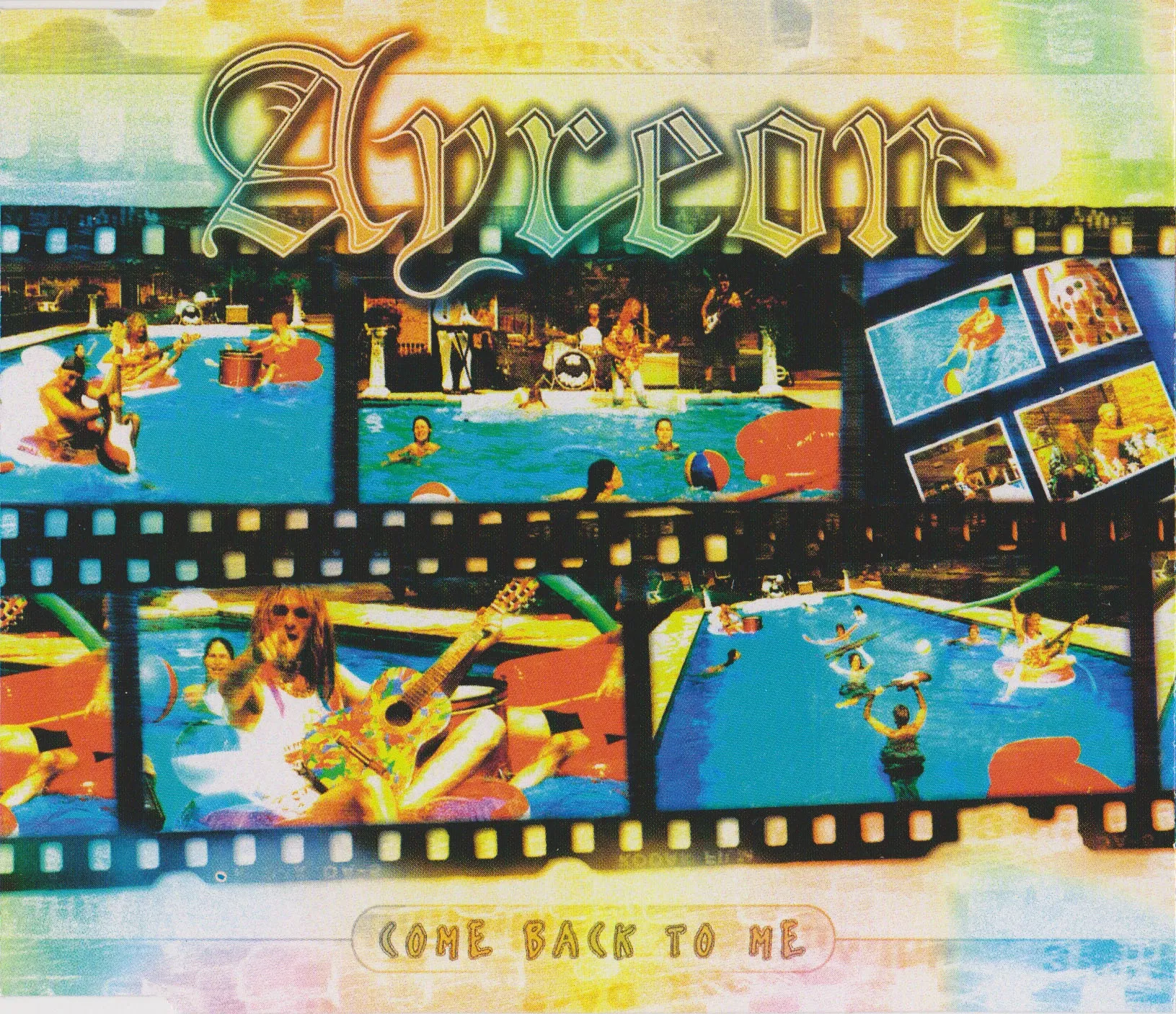
Side projects · Ayreon · 2005
Come Back to Me
✎ Edit this releaseTracklist
- Come Back to Me · Single remix · Vocals: James LaBrie and Arjen Lucassen3:02
- August Fire · Vocals: Heather Findlay2:54
- When I’m Sixty-Four (Beatles cover)2:54
- Back 2 Me (dance‐mix) · Dance mix3:22
- Come Back to Me · Music video · Enhanced-CD video directed by Dirk Zegel
- Making of Come Back to Me · Enhanced-CD bonus film
Personnel
Personnel
- James LaBrie – Vocals on Come Back to Me
- Arjen Anthony Lucassen – Vocals; guitars; bass; keyboards
- Heather Findlay – Vocals on August Fire
- Ed Warby – Drums on Come Back to Me
- Cleem Determeijer – Keyboards on When I’m Sixty-Four
- Peter Vink – Bass on When I’m Sixty-Four
- Joost van den Broek – Instruments and production on Back 2 Me
Come Back to Me takes “Day Seven: Hope” out of The Human Equation and gives it a new title and a revised mix for its video. The original song is an exchange between Lucassen’s Best Friend and LaBrie’s Me, with the former trying to reach the man lying in hospital. The single version is slightly longer, edited and mixed specifically for the accompanying clip.1
The rest of the disc moves further away from the album. Heather Findlay’s “August Fire” was originally intended for The Human Equation, with Findlay supplying its words and melodies. It is a separate song, rather than another scene removed from the finished twenty-day sequence. The Beatles cover “When I’m Sixty-Four” goes back further still, using an old tape recording by Lucassen and Cleem Determeijer, with new instruments added for release.1
Then there is “Back 2 Me”. Joost van den Broek had sent Lucassen a dance treatment of the “Hope” theme as a joke. Lucassen liked it enough to request a complete version. It is an unlikely companion to a rock opera, but the origin explains why it is here: an arrangement experiment that grew into another version of the same material.1
LaBrie’s credited vocal appearance is on the title track. Findlay sings “August Fire”, while the other recordings have their own personnel. The enhanced CD also includes the “Come Back to Me” video and a feature on its making. Directed by Dirk Zegel with Elise van der Linden assisting, the clip gave the hospital story a visual setting, with the production footage showing how it had been assembled.12
Released in June 2005, the single became a useful home for material that did not fit into the original album. “August Fire”, the Beatles cover and the dance mix all returned in later archival editions, while “Come Back to Me” remained a version of “Hope”. The new title did not make it a new composition.13