


The band today
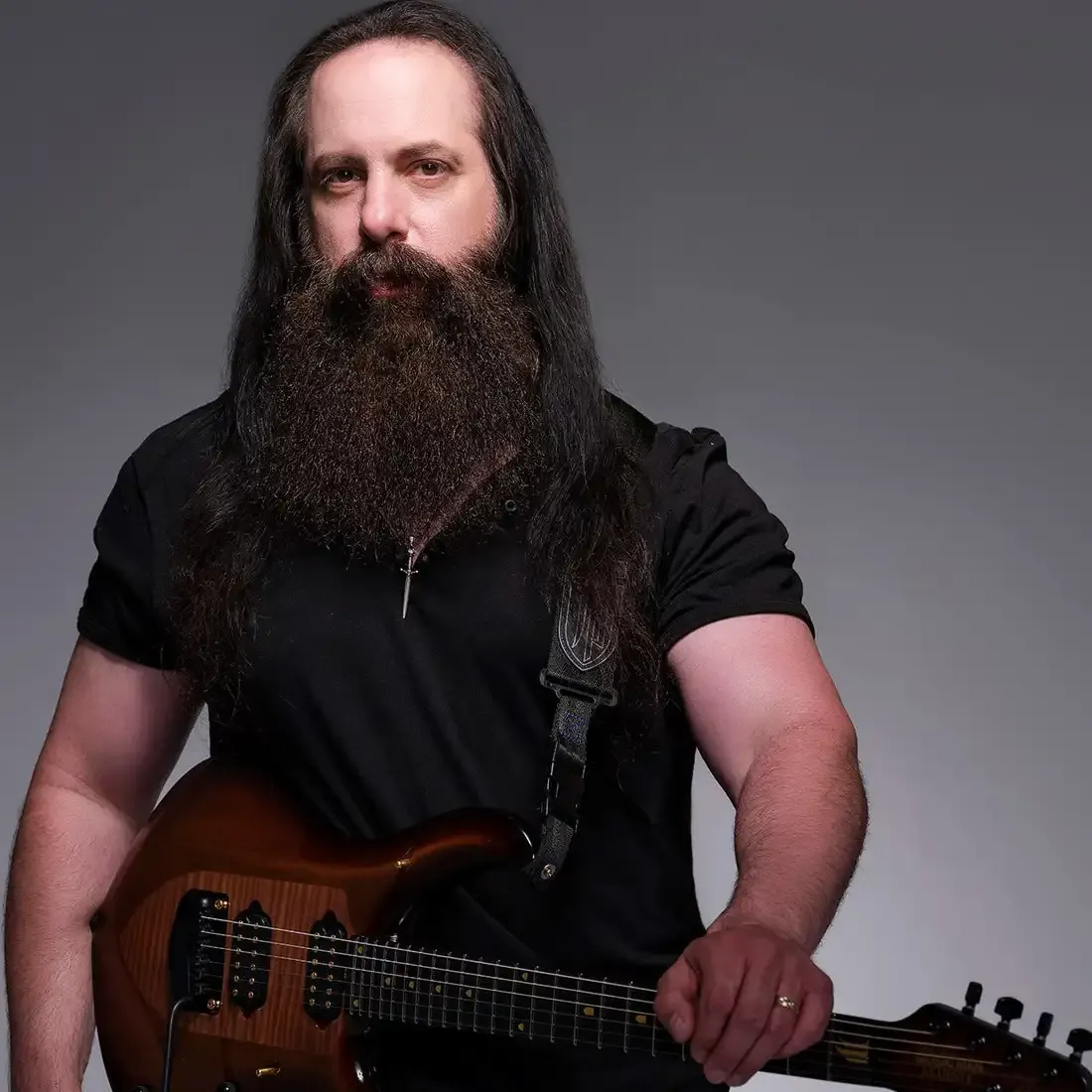 John PetrucciGuitar · 1985–today
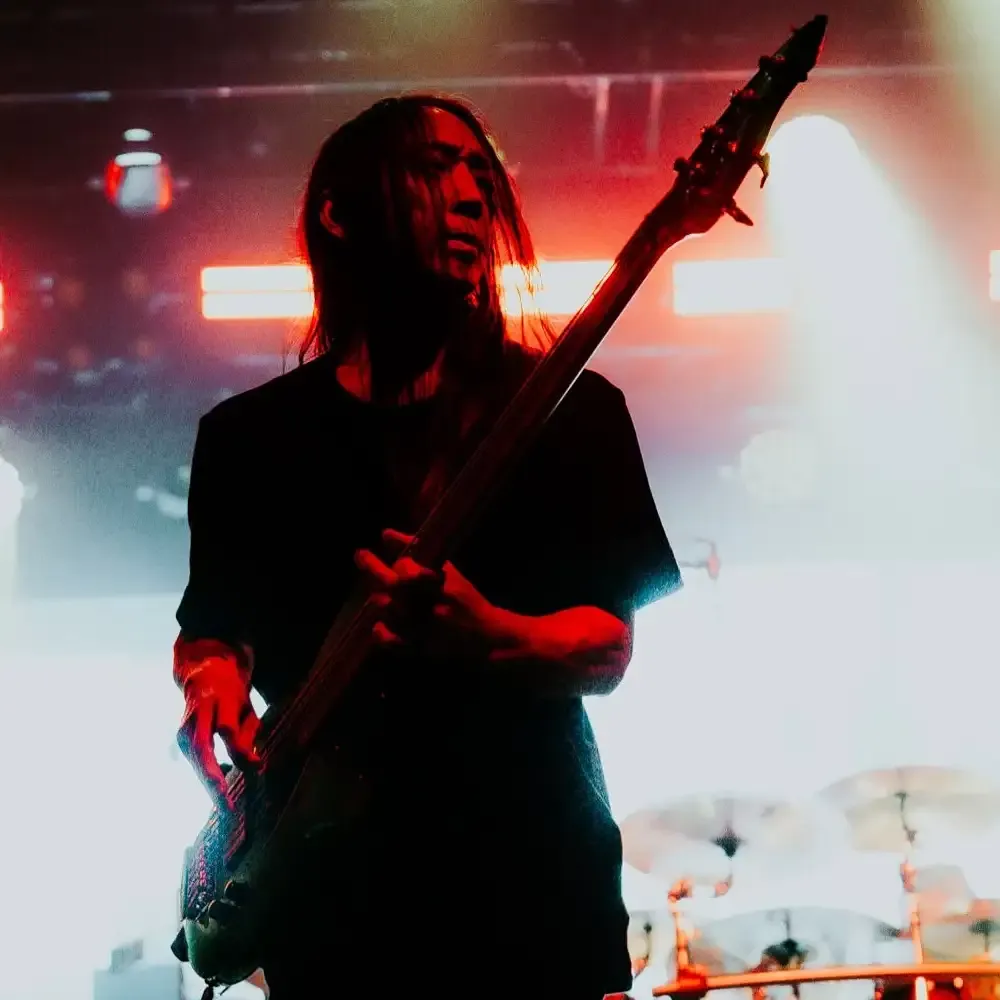 John MyungBass · 1985–today
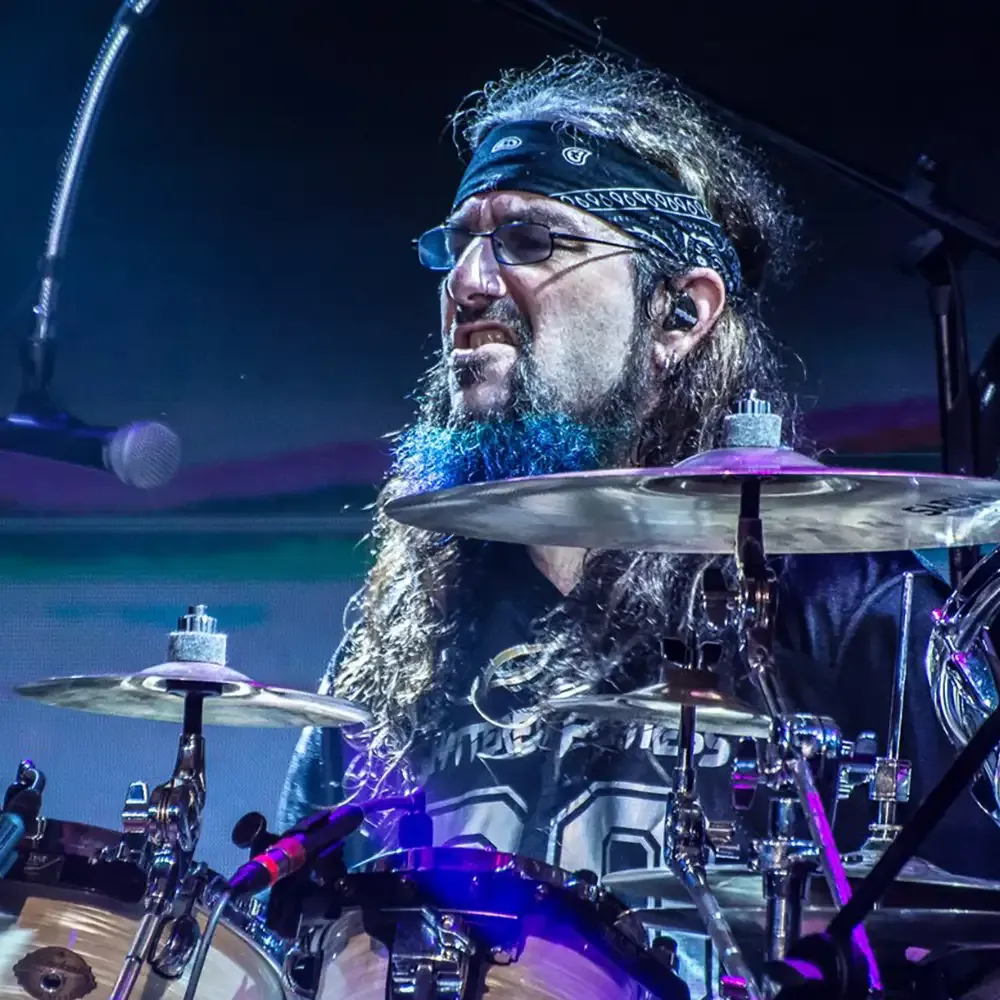 Mike PortnoyDrums · 1985–2010, 2023–today
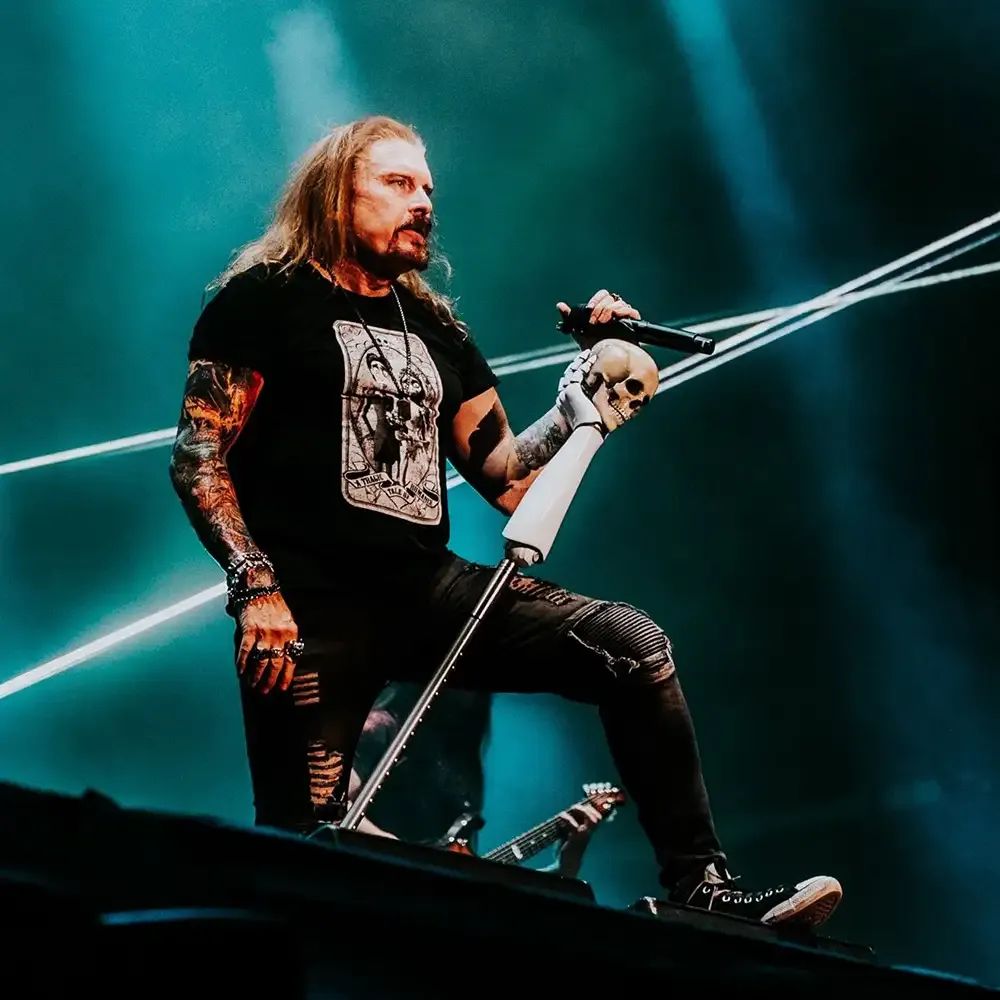 James LaBrieVocals · 1991–today
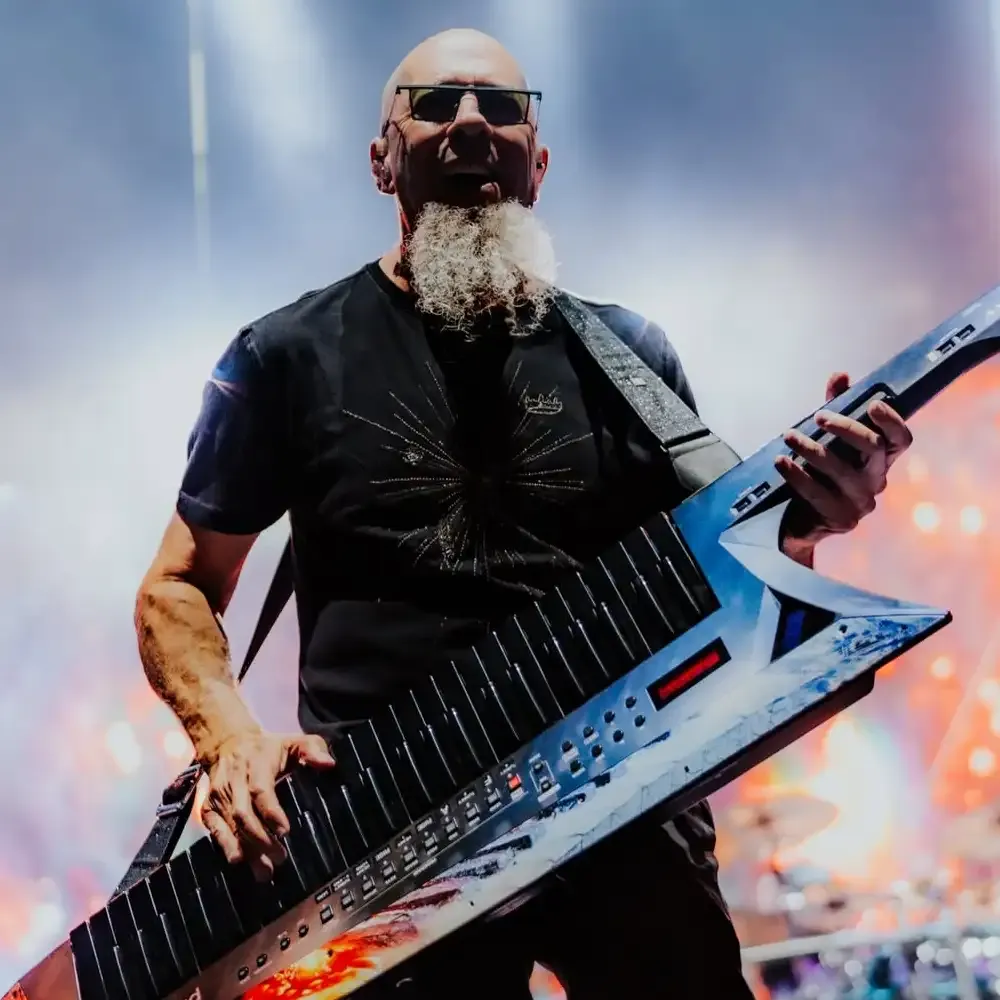 Jordan RudessKeyboards · 1999–today
Past members
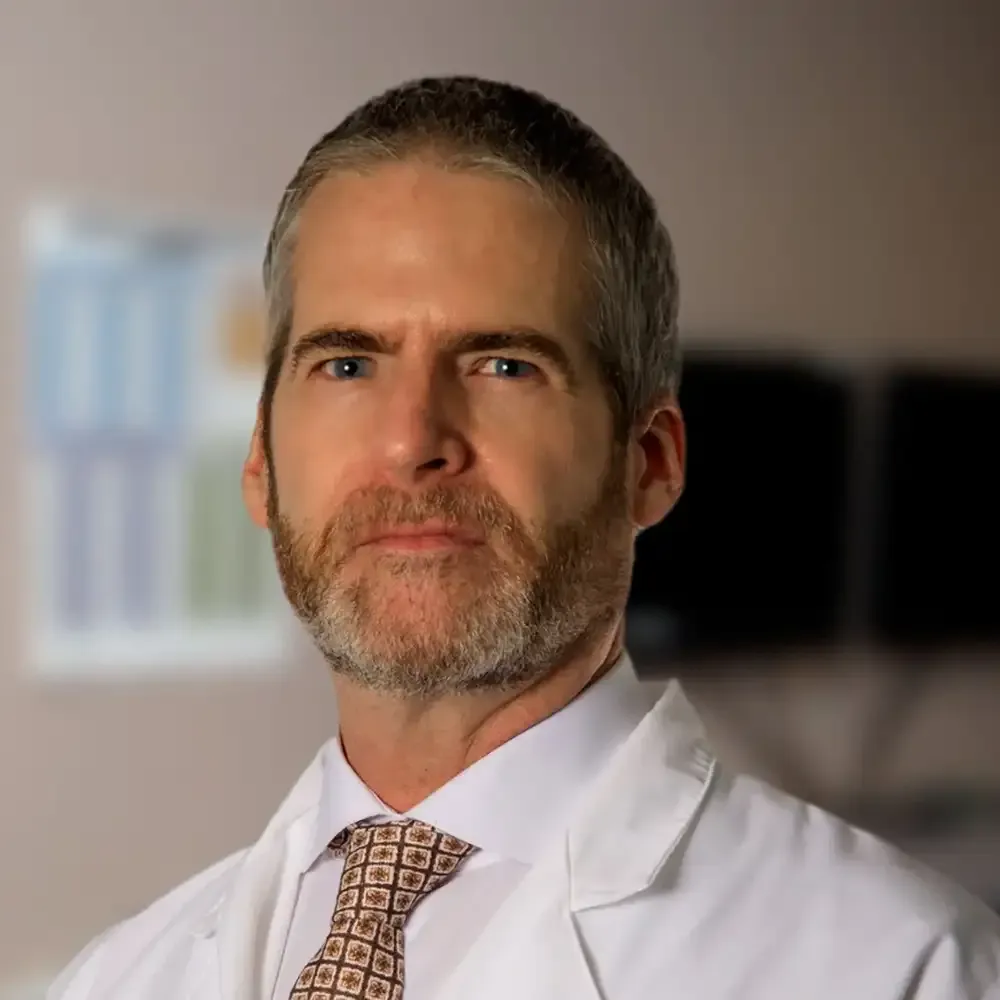
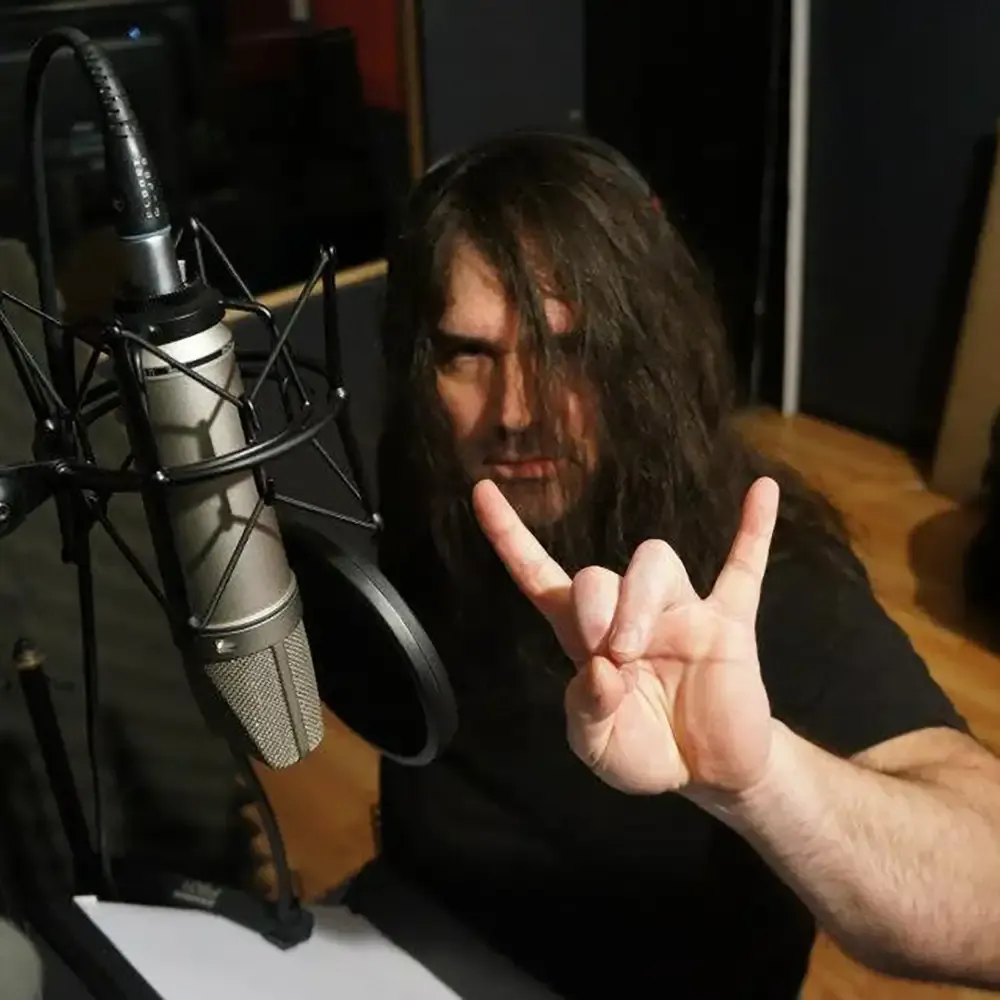
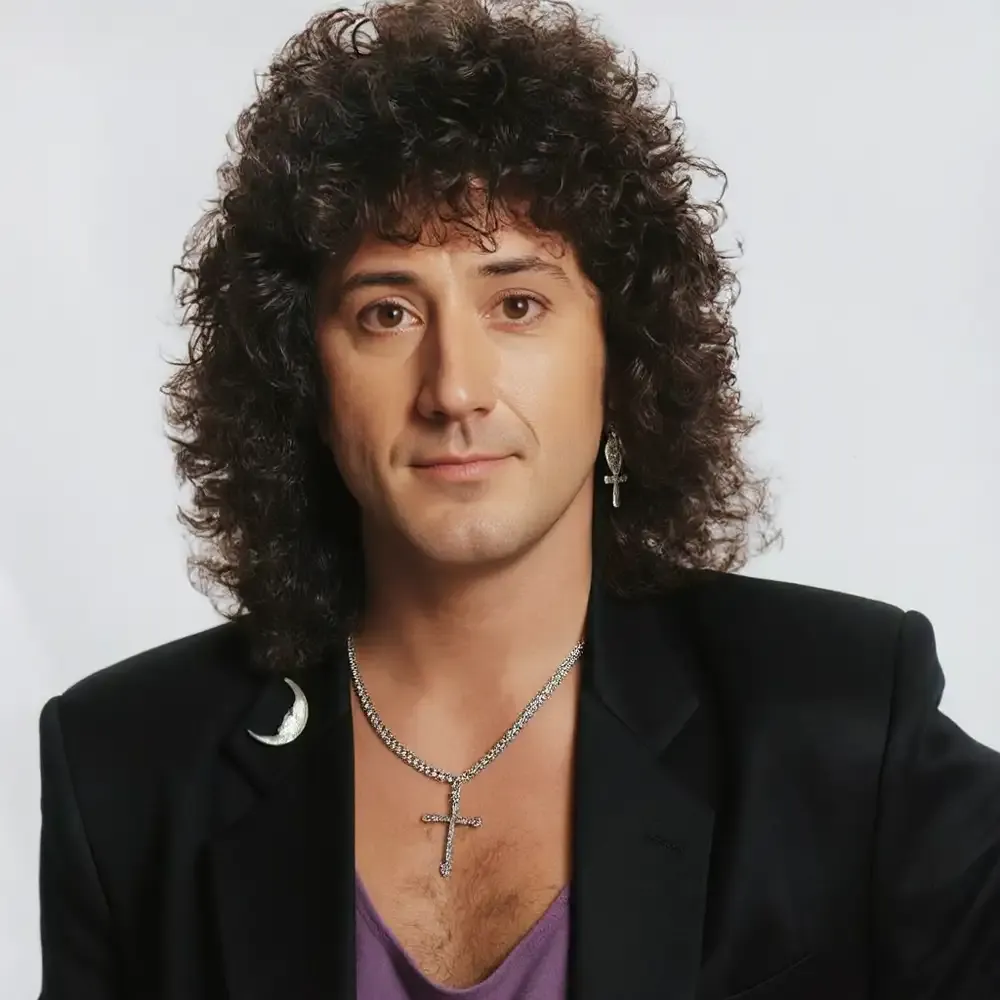
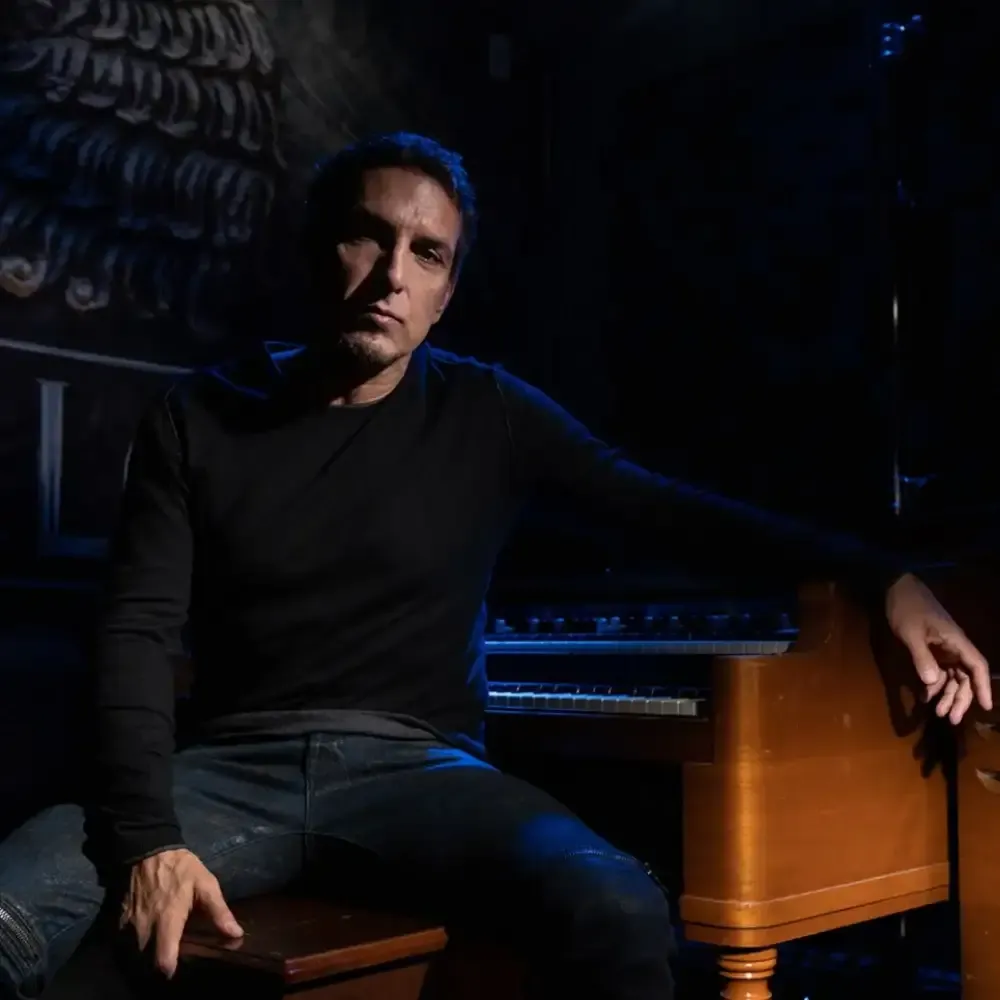
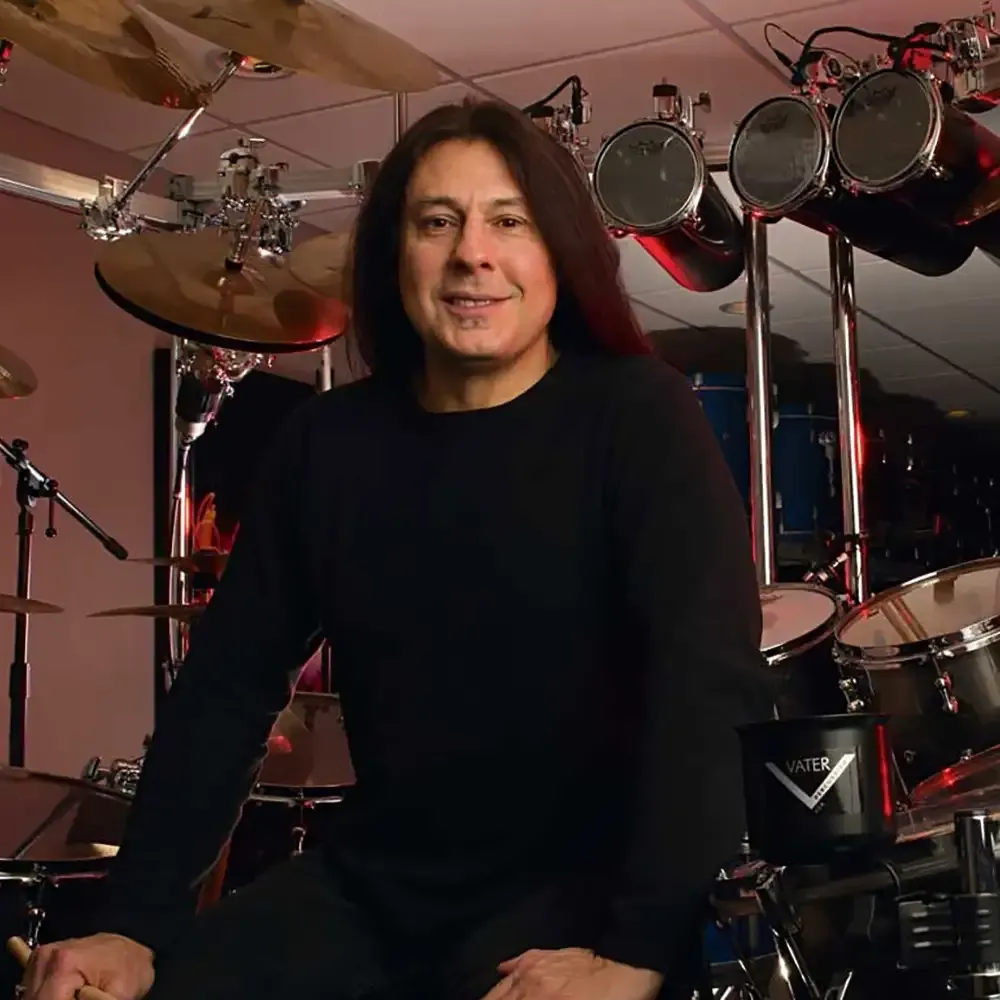
Dream Theater
Dream Theater started with three students who liked Rush, wanted to play something considerably more complicated than the local bar band, and decided that music college was getting in the way of making music. Four decades later, they have helped turn progressive metal into a worldwide scene, built a catalogue stretching from the melodic immediacy of Images and Words to the sprawling rock opera The Astonishing, and cultivated an audience that can argue about a snare sound for longer than most bands stay together. Guitarist John Petrucci and bassist John Myung have been there throughout; drummer Mike Portnoy helped shape the band before leaving in 2010 and returning in 2023; James LaBrie has been its voice since 1991; and Jordan Rudess has occupied the keyboard chair since 1999. It is a story full of extraordinary musicianship, certainly, but also stubbornness, awkward compromises, deep friendships and the occasional spectacular falling-out. The notes matter. So do the people playing them.12
Early years: before anybody called it progressive metal
Long Island, Berklee and the first version of Majesty
Although Dream Theater formed in Boston in 1985, much of its background belongs to Long Island. Petrucci and Myung knew each other before college. Kevin Moore was another friend from that earlier world. Berklee College of Music supplied the meeting with Mike Portnoy, a drummer whose enthusiasm for records, bands and the possibilities of a new group matched their own.3
The shared vocabulary was already there: Rush’s arrangements, the weight of metal, and the idea that instrumental ability could open up a song rather than merely decorate it. Their interests reached beyond any one genre. Petrucci’s listening included Yes, Iron Maiden, Al Di Meola, Allan Holdsworth and, especially, Steve Morse. He was interested in how things worked, including the sounds he initially could not imagine a guitarist producing.4
Berklee challenged their abilities, but it also clarified their priorities. After roughly a year, the three left before declaring their majors. They wanted to put their time into the band.4
They called that band Majesty. Portnoy has traced the name to listening to Rush’s “Bastille Day” and describing its ending as majestic. The influence was hardly buried. These were young musicians excited by the prospect of building something with that same scale and sense of possibility.5
Moore joined on keyboards. Singer Chris Collins completed the early lineup heard on the 1986 Majesty demos. Those recordings, subsequently reissued through the band’s archival series, preserve a group still working out its voice. There are extended arrangements, ambitious instrumental passages and the unmistakable sound of young men who have discovered that they can play rather a lot.6
They also preserve something less solemn. The larger collection includes tiny musical jokes alongside earnest compositions, with titles such as “John Thinks He’s Yngwie Song.” Anyone imagining that the band began as five silent men studying complex notation should spend a little time with those tapes.6
Collins left during 1986. His part in the story is brief but real: he sang on the recordings that introduced Majesty to listeners beyond the rehearsal room. The band then had to find somebody who could inhabit its increasingly ambitious material without disappearing inside it.
Charlie Dominici and the first record
Charlie Dominici joined in 1987, bringing experience and melodic instincts. Older than the instrumentalists, he had already spent years trying to make a career in music.7
At his audition, Dominici asked for unfinished material that would demonstrate his creativity. Given “The Killing Hand,” he supplied a vocal melody. It was a useful introduction to a band that needed a writer as well as a singer.7
The Majesty name eventually had to go because another act already used it. Howard Portnoy, Mike’s father, suggested Dream Theater, taking the name from a cinema. The band adopted it in 1988, retaining the Majesty identity in its visual world and, soon enough, in the instrumental “Ytse Jam.”89
Released on March 6, 1989, through Mechanic Records, When Dream and Day Unite was their first proper statement. Terry Date produced it, and the record already contained much of the band’s future vocabulary: shifting structures, prominent keyboards, busy bass lines, heavy riffs and songs that refused to stay in one place for very long.8
“Ytse Jam,” “The Killing Hand” and “Only a Matter of Time” showed that the ambition was there. The presentation was rougher than it would become, and Dominici’s voice gave the music a different character from the band most people later discovered. It sounds like an early chapter because it is one. Judging it solely by how closely it resembles Images and Words rather misses the point.
The breakthrough failed to arrive. Dominici recalled promised opportunities, including a video and Japanese tour, falling through. His years of frustration collided with the younger musicians’ first serious attempt. They parted ways in late 1989.7
Finding their voice: James LaBrie and Images and Words
After Dominici left, the band kept writing through a prolonged period without a singer. Images and Words grew from that uncertainty. The polish of the finished record can obscure how precarious its beginnings were.10
The singer search became notoriously extensive. The band’s own history describes nearly 200 auditions and submissions before the arrival of Canadian vocalist James LaBrie, previously of Winter Rose. He joined in 1991. At last, the music had a voice capable of matching both its athletic demands and its more vulnerable moments.11
LaBrie’s arrival did more than add high notes. The contrast between his melodic delivery and the instrumental weight gave the band a clearer centre. “Another Day” could be delicate without sounding apologetic; “Learning to Live” could stretch out without losing the listener altogether. There was somebody at the front of the music whom an audience could follow.
Recording with producer David Prater was less comfortable. Portnoy later described a deeply unhappy relationship, while acknowledging that Prater’s push towards accessibility helped the record communicate. The band also lost the argument over including “A Change of Seasons.” Their enormous composition would have to wait.10
Images and Words arrived on July 7, 1992. “Pull Me Under” became the unexpected opening through which a much wider audience entered: rock radio, MTV and a recognisable song attached to a band that did not look like an obvious candidate for either.11
Its success came while grunge was reshaping the rock landscape. The neat retrospective version says that nobody wanted technically elaborate metal anymore. Clearly, enough people did. “Pull Me Under” reached number ten on Billboard’s Mainstream Rock chart, and the album eventually earned American gold certification.12
The hit was enormously useful, but the surrounding record explains the lasting attachment. “Metropolis Part I,” “Take the Time,” “Under a Glass Moon” and “Learning to Live” offered different ways into the same musical world. There were memorable melodies alongside the passages that sent musicians home to practise.
Dream Theater could have spent the next few years trying to write another “Pull Me Under.” Their career would become a good deal stranger than that.
Awake: success brings its own problems
Released on October 4, 1994, Awake sounded darker, heavier and less interested in making a polite first impression. Petrucci brought seven-string guitar into the picture, while the production gave the band a different physical weight. “The Mirror” and “Lie” hit hard; “Scarred” stretched into more unsettled territory; “Space-Dye Vest” barely seemed to belong to the same emotional climate as anything before it.13
For the first time, the group was writing with a deadline and an established audience waiting. Portnoy’s later Awake demo notes describe the change neatly: earlier music had been developed largely for themselves, whereas this time a label wanted a follow-up and the band knew people cared what happened next.14
Those same notes describe Moore becoming increasingly detached from the collaborative process, preferring to develop certain ideas privately. That is Portnoy’s recollection, rather than a complete explanation of Moore’s inner life. Moore’s own later interviews supply the other part: he had become less interested in grand, intricate expression and more drawn to something quieter and more internal.1415
Moore announced his departure during the recording period. For Petrucci, who had known him since childhood, it was personally painful as well as musically disruptive. Moore’s keyboard textures, lyrics and sense of atmosphere had helped make the first three albums what they were.4
“Space-Dye Vest,” his individual composition, closed Awake. Its placement feels almost uncomfortably appropriate: an intimate, withdrawn ending to an album made while one of the original members was already looking elsewhere.14
The band now needed to replace a distinctive musical personality just as it was trying to establish that its breakthrough had been more than a lucky moment.
Derek Sherinian, A Change of Seasons and a difficult middle stretch
Jordan Rudess was considered during the search and played with the group in 1994, but the position ultimately went to Derek Sherinian. With a background that included Alice Cooper, Sherinian brought stage experience and a keyboard style with plenty of bite. His Hammond and electric-piano colours gave the band a different flavour.16
He also arrived at a difficult personal moment for LaBrie. While on holiday in Cuba at the end of 1994, the singer suffered severe food poisoning and damaged his vocal cords while vomiting. He has described the recovery as taking years, not weeks.17
The practical problem was brutal. Dream Theater had an album to promote and concerts to play, while its singer was dealing with an instrument he could no longer trust in the same way. LaBrie later spoke openly about the anxiety and frustration this caused. The story behind those performances is more complicated than a discussion of whether he hit a particular note on a particular night.17
In September 1995, the band finally released A Change of Seasons. The title piece had been around for years but was substantially developed before recording. It combined Portnoy’s reflections on loss and mortality with a musical structure large enough to make most bands consider an intermission.18
The accompanying live covers, recorded at Ronnie Scott’s in London, made the release something of a statement of ancestry. Dream Theater could place their own extended work alongside music by the artists who had helped shape them. Calling a release approaching an hour an EP was also a fairly good indication of the band’s relationship with conventional proportions.18
Falling into Infinity: whose band was it going to be?
The road to Falling into Infinity was marked by delays, arguments and uncertainty about what the record company wanted. Writing began well before the band received the green light to record. Meanwhile, the pressure for more accessible material exposed differences within the group about how far it should bend.19
Kevin Shirley produced the album, released in September 1997. Desmond Child worked on the song that became “You Not Me”; “Hell’s Kitchen” emerged from material originally embedded in “Burning My Soul”; and a considerable amount of music remained outside the final running order.19
It is easy to turn the album into a simple story about a label spoiling everything. That explanation is too convenient. “Lines in the Sand,” “Trial of Tears,” “Hell’s Kitchen” and “Peruvian Skies” have considerable character. Sherinian’s playing is a major part of the record’s identity, and the more open arrangements allow the musicians to interact in ways that differ from the densely layered records around it.
The unhappiness was real, though. In a later retrospective, Portnoy recalled briefly quitting during the tour in Finland. His conclusion was that the group needed to reclaim control over its direction. Whether or not a listener loves the finished album, the circumstances of making and touring it had pushed the band dangerously close to breaking.20
The 1998 live release Once in a LIVEtime captured the Sherinian lineup before the next change. His time in Dream Theater was short compared with those of Moore and Rudess, but it gave the catalogue a distinct chapter rather than simply holding a place open for somebody else.1
Jordan Rudess and the record that changed everything again
Liquid Tension Experiment proved unexpectedly consequential. Working with Rudess and bassist Tony Levin, Petrucci and Portnoy discovered a writing chemistry they wanted to bring into Dream Theater. Petrucci later described ideas arriving with unusual ease.4
Sherinian was dismissed in January 1999 and replaced by Rudess. Sherinian has recalled receiving the news in a conference call and being shocked. This was a deliberate change of musical direction, and it came at a cost to the person being replaced.16
Rudess brought an immense technical vocabulary, classical training and a gift for turning a suggested mood into immediately usable music. The band now had a keyboardist who could answer Petrucci’s most elaborate ideas, then suggest another route entirely.
Metropolis Pt. 2: Scenes from a Memory, released on October 26, 1999, made use of all of that. The sequel that fans had long wondered about became an entire concept album, following Nicholas through hypnosis, a previous life and the story of Victoria’s death.21
The plot gave the band something valuable: a reason for the musical extremes to belong together. “Through Her Eyes” and “The Dance of Eternity” could sit within one larger dramatic structure. Recurring themes carried meaning beyond the satisfaction of recognising a familiar melody.
The band also had greater creative freedom. After the frustrations surrounding Falling into Infinity, that freedom became central to its identity. Petrucci and Portnoy took the production reins, with Rudess helping to open up the musical possibilities. The result became one of the records against which everything they did afterwards would be measured.20
“Home,” “Fatal Tragedy,” “The Spirit Carries On” and “Finally Free” remain useful reminders of why it connected. The virtuosity is obvious, but the record also knows how to build anticipation, withhold an answer and deliver a release. Its story rewards concentrated listening without requiring the listener to identify every time signature.
The live presentation extended that world. The complete album was staged, and the August 2000 Roseland Ballroom concert became the basis of Metropolis 2000: Scenes from New York on video and the three-disc Live Scenes from New York.22
The latter acquired a terrible accidental association: it was released on September 11, 2001, with artwork showing a burning New York skyline. The original cover was withdrawn and replaced with the Majesty symbol. It was a coincidence, not a prediction, but an extraordinary one.22
The 2000s: bigger, heavier and increasingly in control
Six Degrees of Inner Turbulence
Having made one ambitious concept record work, Dream Theater did not respond by becoming cautious. Six Degrees of Inner Turbulence, released in January 2002, was a double album: five substantial songs on the first disc and a roughly 42-minute title suite on the second.23
The suite moved between characters experiencing different forms of psychological distress. Its scale allowed orchestral passages, aggressive sections and vulnerable songs to coexist. The material could be direct and compassionate, particularly when it allowed a character to emerge rather than simply treating a condition as a dramatic device.
The first disc was hardly a collection of spare parts. “The Glass Prison” opened with formidable force; “Misunderstood” explored a different kind of unease; “The Great Debate” took on the ethical conflict surrounding stem-cell research.23
This period also began one of the band’s most personal extended works. Portnoy wrote lyrics based on his recovery from alcoholism and the twelve-step process. Rather than squeeze everything into one song, he spread the subject across five albums.24
| Song | Album | Year |
|---|---|---|
| “The Glass Prison” | Six Degrees of Inner Turbulence | 2002 |
| “This Dying Soul” | Train of Thought | 2003 |
| “The Root of All Evil” | Octavarium | 2005 |
| “Repentance” | Systematic Chaos | 2007 |
| “The Shattered Fortress” | Black Clouds & Silver Linings | 2009 |
The musical callbacks made the suite recognisable, but the subject gave those returning ideas their purpose. This was somebody revisiting a continuing struggle. Portnoy eventually performed the complete sequence outside Dream Theater in 2017, describing the experience as exciting and bittersweet because he had originally imagined doing it with the band.24
Train of Thought and Live at Budokan
Train of Thought, released in November 2003, put the heavier side of the band firmly in charge. The material was written in approximately three weeks, and its attack is immediate. “As I Am” sets the tone; “Endless Sacrifice,” “This Dying Soul” and “In the Name of God” take that weight into increasingly extended territory.25
The record is useful evidence against the idea that Dream Theater simply keep making the same album. The musicians are recognisable, but the balance has shifted. Keyboards remain important, yet the guitar riffs and rhythmic impact determine the atmosphere. “Stream of Consciousness” provides a long instrumental centrepiece without needing a storyline to justify its existence.
The accompanying tour produced Live at Budokan, recorded in Tokyo in April 2004. It captured the band playing with a mixture of precision and physical force that made the material work on stage. For many listeners, the concert film became as important an introduction as any studio record.26
Octavarium and Score
Octavarium followed in June 2005. After Train of Thought, the band wanted more variety, more space for melody and some more compact songs. Contemporary influences were part of that conversation, alongside their older progressive-rock foundations.27
The record’s eight-song structure and musical symbolism offered plenty for listeners who enjoy decoding things. More importantly, it contained songs with sharply different functions: the directness of “I Walk Beside You,” the unease of “Panic Attack,” the political weight of “Sacrificed Sons,” and the enormous title track.
“Octavarium” gathered many of the band’s interests into one piece. Its long development made the ending feel earned, rather than merely loud. A band sometimes accused of having no editor demonstrated how effective it could be when an extended arrangement had a clear destination.
The twentieth-anniversary concert at Radio City Music Hall on April 1, 2006, became Score. An orchestra joined for the second half, expanding music that already thought on a symphonic scale. Early Majesty material and the previously unreleased “Raise the Knife” also connected the occasion to the less polished parts of the band’s history.28
It was a long way from a rehearsal room at Berklee. The set made that distance audible without pretending the early years had never happened.
Systematic Chaos and a new label
Systematic Chaos, released in June 2007, began the Roadrunner Records period. The album was made with engineer Paul Northfield, with Petrucci and Portnoy producing. After years within the Atlantic-related label system, the move marked a significant change in the band’s business surroundings.29
The music leaned into aggression and atmosphere. “In the Presence of Enemies” framed the record in two parts; “The Dark Eternal Night” revelled in weight and grotesquerie; “Forsaken” offered a more immediate hook. The title neatly suited a group whose apparently unruly music depended on extremely deliberate organisation.
Portnoy explained in a contemporary interview that albums often reacted against their predecessors: after the darkness of Train of Thought came the broader palette of Octavarium, and after that came the desire to make something powerful again. That is a more useful explanation of the catalogue than assuming every stylistic adjustment was a commercial calculation.30
Black Clouds & Silver Linings
Released in June 2009, Black Clouds & Silver Linings returned repeatedly to personal experiences. “A Nightmare to Remember” drew on a childhood car accident; “The Count of Tuscany” began with an unsettling encounter; and “The Best of Times” addressed Portnoy’s relationship with his dying father, Howard.31
“The Shattered Fortress” completed the twelve-step sequence. The album consequently carried a sense of endings even before anybody knew it would be Portnoy’s last Dream Theater studio record for sixteen years.
Its six extended songs also showed how far the band had moved from the anxieties of finding another radio breakthrough. There were melodies and hooks, but no obvious desire to rebuild their career around a short single. They had an audience willing to follow the long route.31
2010: Mike Portnoy leaves
On September 8, 2010, Portnoy announced that he was leaving Dream Theater. For a band whose identity was so closely associated with its drummer, the news felt almost structurally impossible. He played the drums, but he also helped shape arrangements, produced records, wrote lyrics, planned setlists and maintained a very visible relationship with the audience.3233
His explanation centred on exhaustion and the need for a break. Work with Transatlantic, Hail! and Avenged Sevenfold had reminded him of the pleasure of different musical relationships. He wanted Dream Theater to pause; the others wanted to continue. When they could not agree, he left.32
The distinction matters. He did not announce that he had become Avenged Sevenfold’s permanent drummer and therefore had no further use for Dream Theater. Nor did the remaining members agree that putting their working band on hold was the right answer. There was a conflict between people who felt differently about the same situation.
The public nature of the split made everything harder. Fans examined statements for hidden meanings, chose sides and debated whether continuing was even legitimate. Meanwhile, four musicians had to decide whether the band they had spent much of their lives building could function without a founder who had carried so many responsibilities.
Petrucci’s later explanation of the first post-Portnoy album was straightforward: the remaining members needed time together to regroup and establish what they were going to do next.34
The split also exposed a less romantic fact about long-running bands. Shared history does not mean shared needs. After twenty-five years, the same working cycle can feel like security to one person and confinement to another.
Mike Mangini: a new band inside the old one
The auditions and A Dramatic Turn of Events
Dream Theater auditioned seven drummers: Mike Mangini, Marco Minnemann, Peter Wildoer, Virgil Donati, Aquiles Priester, Derek Roddy and Thomas Lang. The process became the documentary series The Spirit Carries On, giving fans an unusually close look at a band assessing much more than technical competence.35
Mangini had worked with Annihilator, Extreme and Steve Vai, and taught at Berklee. His connection to the job went beyond dazzling coordination. The group needed somebody who could learn its existing music, respond constructively in a room and help restore confidence. His selection was announced in April 2011.36
A Dramatic Turn of Events, released that September, was written before Mangini became part of the composing sessions. He recorded drums within an already established framework. In interviews, he described respect for the material and a desire to make the other musicians sound better, rather than using the record as an extended demonstration of everything he could do.37
The album placed considerable emphasis on melody and the familiar balance of the band’s earlier music. “On the Backs of Angels,” “Breaking All Illusions” and “Bridges in the Sky” helped establish continuity without disguising the changed lineup. Petrucci acknowledged the responsibility he felt to fans while making it.38
It would be easy to hear the title solely as a reference to Portnoy’s departure. The band’s own account connected it more broadly to upheavals in the world. Either way, it suited the circumstances of a group that had just discovered it could survive a change many listeners had considered unthinkable.38
Dream Theater: giving the new lineup its own identity
The self-titled Dream Theater arrived in September 2013. This time Mangini took part in the writing process. That difference should not be lost in a general description of the period: he was moving from interpreting an existing framework to helping develop the material with the others.34
The album mixed relatively compact songs with the five-part “Illumination Theory.” “The Enemy Inside” addressed trauma, while “The Looking Glass” leaned into a brighter progressive-rock feel. The instrumental “Enigma Machine” gave the band an opportunity to interact without a vocal narrative.39
Naming a twelfth studio album after the band was a declaration that this version had a right to the name. The argument was made in the music, through a combination of continuity and the personality Mangini brought to the drum chair.
The familiar criticism that the band had technique but no feeling remained. LaBrie pushed back strongly against it in a contemporary interview. You do not have to enjoy every instrumental passage to understand why that criticism annoyed him: songs about grief, recovery, faith and family were hardly absent from the catalogue.40
The Astonishing: all the way in
The Astonishing, released in January 2016, was Dream Theater’s largest theatrical gamble. Petrucci created a futuristic story in which human music challenges an oppressive order, then wrote the music with Rudess. The result ran beyond two hours across 34 tracks.41
This was a different process from the band’s usual collaborative writing. Petrucci and Rudess developed the score around the story, and the others interpreted their roles within it. LaBrie sang the characters, using changes of delivery to distinguish people who could have been played by a cast of separate singers.3441
The album put a great deal of trust in the listener’s willingness to enter its world. There were recurring themes, brief transitions, orchestral colours and passages that existed to move the plot forward. Anyone expecting a straightforward sequel to Train of Thought had a fairly long afternoon ahead.
It divided the audience. Some embraced the ambition and emotional scale; others found the story, length or emphasis on ballads difficult to enjoy. The full-album stage production intensified that division because it asked concertgoers to follow the new work as a complete experience.42
Petrucci has remained proud of the project, including its expansion into a novel and a game. LaBrie acknowledged that there were moments on tour when the scale of the undertaking felt formidable. Both reactions can be true. The band had made something it needed to attempt, and living inside it was demanding.42
Distance Over Time: back in a room together
For Distance Over Time, released in February 2019, the band took a very different approach. The musicians lived and worked together at Yonderbarn in upstate New York, developing the record through a concentrated period of collaboration. Petrucci later called it the most collaborative writing process since Mangini joined.4334
The result was leaner, though lean is a relative term in this company. “Untethered Angel,” “Pale Blue Dot,” “At Wit’s End” and “Barstool Warrior” retained the band’s technical identity while generally getting to their destinations more quickly.
The contrast with The Astonishing was obvious, but reducing the record to an apology for its predecessor misses the pleasure of musicians making decisions together. The shared setting was part of the point. It gave the album the feel of a band enjoying the practical business of being a band again.43
It also began their studio relationship with InsideOut Music. The subsequent touring paired new material with a twentieth-anniversary performance of Scenes from a Memory. The catalogue had become large enough for a new chapter and an entire older landmark to share the same evening.42
A View from the Top of the World and the Grammy
The pandemic interrupted touring, but the band had acquired its own working base, DTHQ. A View from the Top of the World, released in October 2021, was the first Dream Theater album recorded there. LaBrie initially contributed remotely from Canada before travelling to record his vocals.44
The studio gave them greater control over their working environment. Petrucci had already used it for his solo album Terminal Velocity and the third Liquid Tension Experiment record. For the band, it was a practical investment in being able to continue making ambitious records on its own terms.45
The album contained a twenty-minute title track and introduced Petrucci’s eight-string guitar to Dream Theater on “Awaken the Master.” Mangini’s drumming was integral to the record’s precision and momentum.45
Then “The Alien” won the 2022 Grammy for Best Metal Performance. After previous nominations for “On the Backs of Angels” and “The Enemy Inside,” the band finally had its first win.46
The choice was particularly satisfying because “The Alien” was hardly a retreat into conventional songwriting. Recognition arrived for a long, technically demanding track that sounded unmistakably like Dream Theater. For a band built around this kind of music, that was a particularly appropriate way to win.46
Mangini’s thirteen years encompassed five studio albums, extensive touring and that Grammy. They belong fully to Dream Theater’s history. The return of the original drummer did not turn them into a holding pattern.
Portnoy returns: first the friendship, then the band
The reunion was preceded by people finding their way back to one another. Petrucci invited Portnoy to play on Terminal Velocity, released in 2020. Liquid Tension Experiment reconvened, bringing Portnoy back into a studio with Petrucci and Rudess. Petrucci’s solo tour followed.47
These were working relationships, but they rested on a much older personal connection. Portnoy described families who had grown up together, with friendships that extended well beyond the band. Playing again made it possible to rediscover the musical part without immediately forcing every unresolved question about Dream Theater onto the table.47
On October 25, 2023, Dream Theater announced Portnoy’s return. Mangini was out. The official statement included warm tributes from the band and a dignified response from Mangini, who expressed understanding of the decision and pride in his work with them.2
It was an emotional homecoming for many fans and a difficult transition for the drummer leaving. Both belong in the account. Mangini had helped the group continue when its future was uncertain and had contributed a substantial body of work.
The first concert with Portnoy back took place at London’s O2 on October 20, 2024, opening the fortieth-anniversary tour. Fourteen years had passed since he last played a Dream Theater show. For younger fans, this was the first opportunity to see a lineup they had previously known from recordings.4849
The reunion was not simply an agreement to replay the past. The band returned to the studio and made Parasomnia, released on February 7, 2025. Its subject matter revolved around sleep, dreams and disturbances of consciousness, with “Night Terror” introducing the renewed lineup on record.50
Petrucci produced, Jimmy T engineered and Andy Sneap mixed the album. That division of responsibilities is worth noticing. Portnoy had returned to a band that had developed a functioning way of working during his absence; his return did not require every responsibility to revert to its pre-2010 arrangement.51
The music made room for the familiar interplay of the reunited musicians while connecting its songs through a shared nocturnal atmosphere. The lengthy “The Shadow Man Incident” supplied an appropriately expansive ending.51
“Night Terror” subsequently earned a Grammy nomination for the 2026 awards, taking the band’s total to four nominations and one win.46
The touring also continued the old habit of treating an album as a complete live experience. Later shows paired Parasomnia in full with A Change of Seasons, linking new material to a composition that had existed before the band’s commercial breakthrough.52
By October 13, 2026, the next chapter was already underway: the band announced that work had begun on its seventeenth studio album. Parasomnia remained the latest released studio record. The reunited lineup was continuing to write.51
The reunion also received a substantial live document: Quarantième: Live à Paris, released in November 2025, captured the November 23, 2024 show at the Adidas Arena. Like the earlier concert films, it preserved a particular version of the band at a particular moment, this time with an especially long history behind the faces on stage.53
How Dream Theater works
Five musicians, several different jobs
Their writing process sounds rather more practical than the music suggests: face one another, play, record ideas, organise sections on a board, and find what fits.33
In 2007, Portnoy described Petrucci and Rudess developing much of the musical detail while he concentrated on form. Myung listened, reacted and contributed starting points; LaBrie became more involved as the vocal sections developed.33
Those roles have never meant that every record was made in precisely the same way. The Astonishing began with a story and a score. Distance Over Time emphasised collective writing. The first Mangini album was composed without him in the room. The credits and the sound make more sense when those differences are acknowledged.
Petrucci’s guitar and Myung’s bass have provided continuity through every change. Around them, each keyboard player altered the band’s vocabulary: Moore’s atmosphere and restraint, Sherinian’s earthy bite, Rudess’s breadth and fluency. Portnoy and Mangini likewise brought different instincts to the same instrument. It is possible to recognise that without turning either comparison into a competition.
LaBrie performs another essential job. He has to give human shape to music that can become overwhelmingly busy. At their best, the vocal sections make the instrumental adventures matter because there is a person, a feeling or a story to return to.
The live band and the people who keep coming back
Dream Theater concerts became an important part of the band’s identity in their own right. Extended “An Evening With” shows allowed deep catalogue choices, complete albums and the kind of set that assumes the audience has cleared its schedule.54
Portnoy has identified Phish as an influence on his approach to changing setlists and special performances. Covering whole albums by Metallica, Iron Maiden, Pink Floyd and Deep Purple was a fan’s idea of a good night as much as a demonstration of versatility.54
That approach encouraged repeat attendance and made the differences between shows part of the attraction. It also demanded a great deal of preparation. A catalogue does not become available at stage volume simply because the songs are familiar on a record.55
The relationship extended into recorded archives. Ytsejam Records offered authorised live recordings, demos and other material that would usually circulate unofficially or remain unheard. In 2021, the Lost Not Forgotten Archives partnership with InsideOut began bringing that catalogue, alongside further recordings, to a broader audience.56
For a band with such a devoted following, the unfinished versions are often nearly as interesting as the familiar ones. A discarded arrangement can reveal why a song eventually worked. An early demo can restore the uncertainty that disappears once an album becomes a classic.
The band also used its position to build shared bills. Progressive Nation in 2008 brought Dream Theater together with Opeth, Between the Buried and Me and 3, presenting different approaches to adventurous heavy music under one banner. Dreamsonic in 2023 similarly paired them with Devin Townsend and Animals as Leaders. These tours gave the audience more than a supporting act and helped put the wider scene in the same room.5758
The fan culture has its own institutions: clubs, fanzines, online discussions, recordings, collections and arguments conducted with remarkable stamina. DT Norway’s Through My Words archive is one example of fans preserving the band’s history in the musicians’ own words.59
Personal life: the family behind the working band
A band does not have a personal life in quite the same way as an individual, but Dream Theater’s history is unusually tangled with family relationships. Petrucci, Portnoy and Myung married musicians from Meanstreak: Rena Sands, Marlene Apuzzo and Lisa Martens respectively. Their families formed connections that survived changes in the professional relationship.60
That background helps explain why reunion accounts repeatedly use the language of home and family. Portnoy was returning to people whose lives had overlapped with his for decades. Reconnecting meant more than agreeing on a musical direction.47
There is a cost to the arrangement, too. In the 2007 Berklee interview, Myung discussed coming home and trying to catch up with family life. Petrucci credited his wife and children with making substantial sacrifices while he was away. The touring schedule that gives fans their favourite evenings also removes somebody from ordinary life at home.61
The music frequently brings those ordinary relationships back into view. Portnoy’s grief and recovery, Petrucci’s memories, and LaBrie’s vulnerability as a working singer complicate the caricature of Dream Theater as a collection of people interested only in playing difficult passages correctly.
Dominici remained a friend, singing at Portnoy’s wedding and rejoining the band on stage. Announcing his death in November 2023, Portnoy recalled Dominici congratulating him on his return. Their friendship had long outlasted their working partnership.7
Why the band matters
Dream Theater did not invent every component of progressive metal. Rush, Queensrÿche, Fates Warning, Watchtower and other adventurous bands had already explored different parts of the territory. Dream Theater’s achievement was to bring a particular combination into sharp focus and sustain a career around it: metal weight, progressive structure, highly developed instrumental interplay and songs that could carry a recognisable emotional centre.1210
Their influence is also practical. They helped demonstrate that an international audience could support music that did not fit comfortably into radio formats or changing fashions. A band could build its own expectations, maintain a live following and continue making elaborate records over decades.
That does not mean every choice worked equally well. The catalogue contains excess, uneven pacing and moments when the available instrumental possibilities seem to have outnumbered the reasons for using them. The long songs can be exhilarating, but length alone has never been the achievement. The important question is whether a piece earns the time it asks for.
When Dream Theater get that balance right, the appeal is quite simple. A melody returns at exactly the right moment. A riff suddenly makes sense in a different context. Five people negotiate something absurdly difficult and make it feel inevitable. You do not have to count it to feel it.
Fun trivia
- “Ytse Jam” is “Majesty” backwards. The old name survived in a track title and, later, the band’s archival label.9
- The Rush connection starts with the first name. Portnoy’s description of “Bastille Day” helped supply Majesty, long before Dream Theater existed as a name.5
- Their famous EP is longer than their debut album. A Change of Seasons runs close to an hour once the live covers are included. Proportions have always been flexible here.18
- “Score” is a double meaning. It refers both to twenty years and to an orchestral score, fitting a twentieth-anniversary concert with an orchestra.28
- Some musical ideas refuse to stay put. Petrucci recalled that a classical passage eventually used in “Erotomania” had earlier been tried in “Pull Me Under.”4
- The Norwegian rock on the cover is real. A View from the Top of the World uses an image of Kjeragbolten, the boulder wedged above the drop at Kjerag.44
- The archival catalogue contains their homework as well as their triumphs. The Majesty collection includes early demos, a Rush cover and tiny musical jokes, preserving the young band before the mythology arrived.6
- A Grammy eventually arrived for a very Dream Theater sort of song. “The Alien” won without being trimmed into a conventional pop single. That seems appropriate.4646
Studio albums
| Year | Album | Lead vocalist | Drummer | Keyboardist |
|---|---|---|---|---|
| 1989 | When Dream and Day Unite | Charlie Dominici | Mike Portnoy | Kevin Moore |
| 1992 | Images and Words | James LaBrie | Mike Portnoy | Kevin Moore |
| 1994 | Awake | James LaBrie | Mike Portnoy | Kevin Moore |
| 1997 | Falling into Infinity | James LaBrie | Mike Portnoy | Derek Sherinian |
| 1999 | Metropolis Pt. 2: Scenes from a Memory | James LaBrie | Mike Portnoy | Jordan Rudess |
| 2002 | Six Degrees of Inner Turbulence | James LaBrie | Mike Portnoy | Jordan Rudess |
| 2003 | Train of Thought | James LaBrie | Mike Portnoy | Jordan Rudess |
| 2005 | Octavarium | James LaBrie | Mike Portnoy | Jordan Rudess |
| 2007 | Systematic Chaos | James LaBrie | Mike Portnoy | Jordan Rudess |
| 2009 | Black Clouds & Silver Linings | James LaBrie | Mike Portnoy | Jordan Rudess |
| 2011 | A Dramatic Turn of Events | James LaBrie | Mike Mangini | Jordan Rudess |
| 2013 | Dream Theater | James LaBrie | Mike Mangini | Jordan Rudess |
| 2016 | The Astonishing | James LaBrie | Mike Mangini | Jordan Rudess |
| 2019 | Distance Over Time | James LaBrie | Mike Mangini | Jordan Rudess |
| 2021 | A View from the Top of the World | James LaBrie | Mike Mangini | Jordan Rudess |
| 2025 | Parasomnia | James LaBrie | Mike Portnoy | Jordan Rudess |
A Change of Seasons is listed separately in the history because it is an EP, rather than one of the numbered studio albums. Membership years include touring or pre-announcement involvement, which is why Mangini’s tenure begins in 2010 and Sherinian’s in 1994.
Sources
Footnotes
-
Dream Theater, Wikipedia, for the basic membership and discography chronology. ↩ ↩2
-
Dream Theater announces Mike Portnoy’s return, October 25, 2023, with statements from all five members and Mike Mangini. ↩ ↩2
-
Michael Mueller, “Dream Come True,” Guitar One, December 2006, John Petrucci interview preserved by DT Norway. ↩ ↩2 ↩3 ↩4 ↩5
-
Mike Portnoy’s interview with Tom Power for CBC’s Q, discussed in Sonic Perspectives: how Rush sparked the birth of Dream Theater. ↩ ↩2
-
InsideOut Music: The Majesty Demos (1985–1986), official release information and credits. ↩ ↩2 ↩3
-
Charlie Dominici’s death, the band’s tributes and his 2008 BigMusicGeek interview recollections, Blabbermouth, November 17, 2023. ↩ ↩2 ↩3 ↩4
-
Dream Theater: When Dream and Day Unite, official album history. ↩ ↩2
-
Dream Theater FAQ, archived at Spirit One, early names, terminology and band history. ↩ ↩2
-
Dave Ling, the making of Images and Words, Metal Hammer, drawing on his 2005 Mike Portnoy interview; republished by Louder in 2024. ↩ ↩2 ↩3
-
Dream Theater: Images and Words, official album history. ↩ ↩2
-
Greg Prato, “Despite Grunge’s Peak, Dream Theater’s ‘Pull Me Under’ Still Reached #10 on Rock Radio”, Ultimate Guitar, April 16, 2026, preserved by DT Norway; includes Portnoy interview material. ↩ ↩2
-
Dream Theater: Awake, official album history. ↩
-
Mike Portnoy, Awake Demos liner notes, Ytsejam Records, 2006, preserved by DT Norway. ↩ ↩2 ↩3
-
Kevin Moore’s Electricbasement interview, excerpted by Blabbermouth, February 9, 2005. ↩
-
“King of the Keys: Derek Sherinian”, Guitar World, including Sherinian’s and Portnoy’s accounts of the keyboard change; see also Sherinian’s 2006 Metal-Rules interview. ↩ ↩2
-
Steffi Mahsmann, Mike Portnoy and James LaBrie interviews, Terrorverlag, July 12, 2007; and LaBrie’s 2019 Songfacts interview excerpts. ↩ ↩2
-
Dream Theater: A Change of Seasons, official release history. ↩ ↩2 ↩3
-
Dream Theater: Falling into Infinity, official album history. ↩ ↩2
-
Dave Ling, the making of Metropolis Pt. 2, band retrospective originally published in Prog 101, republished October 26, 2024. ↩ ↩2
-
Dream Theater: Metropolis Pt. 2: Scenes from a Memory, official album history. ↩
-
Dream Theater: Live Scenes from New York, official release information. ↩ ↩2
-
Dream Theater: Six Degrees of Inner Turbulence, official album history. ↩ ↩2
-
Dream Theater Wiki: the twelve-step suite; Andrew Massie, Mike Portnoy interview about the Shattered Fortress and the twelve-step suite, The Rockpit, May 4, 2017; the suite’s five-song sequence, Blabbermouth, 2016. ↩ ↩2
-
Dream Theater: Train of Thought, official album history. ↩
-
Dream Theater: Live at Budokan, official release information. ↩
-
Dream Theater: Octavarium, official album history. ↩
-
Dream Theater: Score, official release information. ↩ ↩2
-
Dream Theater: Systematic Chaos, official album history. ↩
-
Portnoy’s contemporary explanation of the balance between albums, Terrorverlag, July 12, 2007. ↩
-
Dream Theater: Black Clouds & Silver Linings, official album history. ↩ ↩2
-
Mike Portnoy’s departure statement, September 8, 2010. ↩ ↩2
-
Berklee Today interview excerpts with Petrucci, Portnoy and Myung, June 27, 2007. ↩ ↩2 ↩3
-
Patrick Balfe, John Petrucci interview, Metropolis, June 9, 2022, particularly his comparison of writing processes during the Mangini years. ↩ ↩2 ↩3 ↩4
-
The seven drummer auditions, Blabbermouth, April 25, 2011, accompanying the band’s documentary announcement. ↩
-
Dream Theater’s Mike Mangini biography, including the audition and announcement chronology. ↩
-
Mike Mangini interview: drumming with Dream Theater, MusicRadar, 2011. ↩
-
Dream Theater: A Dramatic Turn of Events, official album history. ↩ ↩2
-
Dream Theater: Dream Theater, official album history. ↩
-
Dave Everley, Dream Theater’s 2013 interview about the band’s critics, Classic Rock, republished in 2024. ↩
-
Dream Theater: The Astonishing, official album history. ↩ ↩2
-
Dave Ling, Petrucci and LaBrie on Distance Over Time and the aftermath of The Astonishing, Prog interview from 2019, republished in 2025. ↩ ↩2 ↩3
-
Dream Theater: Distance Over Time, official album history; Petrucci’s Guitar World interview, 2019. ↩ ↩2
-
Dream Theater: A View from the Top of the World, official album history. ↩ ↩2
-
Robert Cavuoto, John Petrucci interview on recording A View from the Top of the World, Sonic Perspectives, October 17, 2021. ↩ ↩2
-
Recording Academy: Dream Theater’s Grammy awards and nominations, including the 2026 “Night Terror” nomination. ↩ ↩2 ↩3 ↩4 ↩5
-
Portnoy explains the reconnection preceding his return, including his Rock ‘n’ Roll Fantasy Camp comments, November 2023. ↩ ↩2 ↩3
-
Dream Theater’s official fortieth-anniversary tour announcement, 2024. ↩
-
First concert with Portnoy in fourteen years, NME, October 2024. ↩
-
Dream Theater: Parasomnia, official album information. ↩
-
Dream Theater begins work on its seventeenth studio album, October 13, 2026, reproducing the band’s studio announcement and reporting Parasomnia production credits. ↩ ↩2 ↩3
-
Portnoy interview with Troy Culpan on the Parasomnia tour cycle, December 13, 2025, including the full-album and A Change of Seasons performances. ↩
-
Dream Theater: Quarantième: Live à Paris, official release information, November 28, 2025. ↩
-
Kevin Cassels’ Pure Saturation interview with Portnoy, reported by JamBase, March 6, 2024. ↩ ↩2
-
Marc S. Tucker, Dream Theater interview, Perfect Sound Forever, including Portnoy’s explanation of rotating sets and maintaining a large performance repertoire. ↩
-
Dream Theater: Lost Not Forgotten Archives announcement, 2021; official archive catalogue. ↩
-
Progressive Nation 2008 tour announcement, including the band’s statement. ↩
-
DT Norway: Through My Words, interview and article archive. ↩
-
John Petrucci interview about his solo tour and Meanstreak, Illinois Entertainer, November 2022; Petrucci’s Metal Wani interview, October 2022. ↩
-
Petrucci and Myung on the family cost of touring, excerpts from Berklee Today, June 27, 2007. ↩