
Your rating
Your collection and ratings are saved in this browser and shown in My Dream Theater.
- Released
- 13 Sept 2019
- Label
- Onion Boy Records
- Formats
- 2CD, 2LP, Digital
- Producers
- Bryan Beller
Side projects · Bryan Beller · 2019
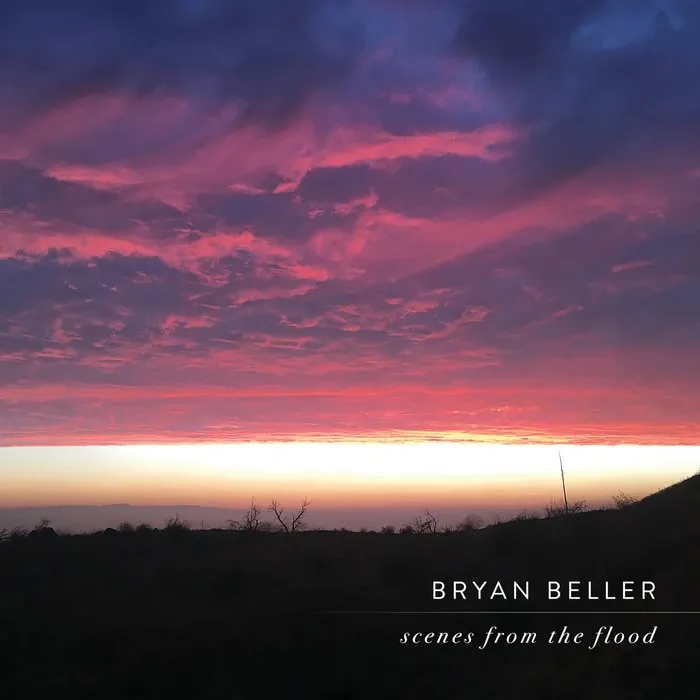
Scenes from the Flood
✎ Edit this releaseTracklist
CD 1: Parts One and Two
- The Scouring Of Three & Seventeen2:21
- Volunteer State5:36
- Everything And Nothing5:48
- A Quickening2:14
- Steiner In Ellipses2:23
- Always Worth It6:36
- Lookout Mountain4:12
- The Storm7:26
- The Flood5:42
CD 2: Parts Three and Four
- Bunkistan5:15
- As Advertised3:54
- Army Of The Black Rectangles1:20
- The Outer Boundary1:30
- Angles & Exits9:39
- The Inner Boundary3:02
- World Class · John Petrucci: guitar solo; Nili Brosh: lead melody and clean intro.9:25
- Sweet Water7:13
- Let Go Of Everything3:35
Personnel
Featured performance
- John Petrucci – Guitar solo on World Class
- Nili Brosh – Lead guitar melody and clean-guitar introduction on World Class
- Bryan Beller – Bass; composer; producer
Production
- Forrester Savell – Mixing; mastering
About this release
John Petrucci supplies the solo on “World Class”, close to the end of Bryan Beller’s eighteen-track double album. Nili Brosh plays its lead melody and clean introduction, so the track’s guitar work should not all be assigned to its best-known guest. Beller’s cast stretches well beyond that piece, with Joe Satriani, Guthrie Govan, Mike Keneally and Mike Dawes among the players.123
Scenes from the Flood was released in September 2019, with Beller composing and producing and Forrester Savell mixing and mastering. Its four-part structure runs across two CDs or two LPs. The artist also supplied a twenty-eight-page digital booklet with the individual performance credits.14
Beller’s published demo account explains how thoroughly “World Class” was planned before the guests recorded. He spent a month on its demo, including a guide guitar solo that Petrucci would replace. Ray Hearne turned the programmed drum part into a performed one, while Rishabh Seen translated a keyboard-written sitar part onto the instrument. That preparation gives the guest appearances a place in an already developed composition.4