
Your rating
Your collection and ratings are saved in this browser and shown in My Dream Theater.
- Released
- 16 Dec 1998
- Label
- Fight Evil Records
- Formats
- CD, Digital Media
- Producers
- Kevin Moore, Steve Tushar
Solo albums · Chroma Key · 1998
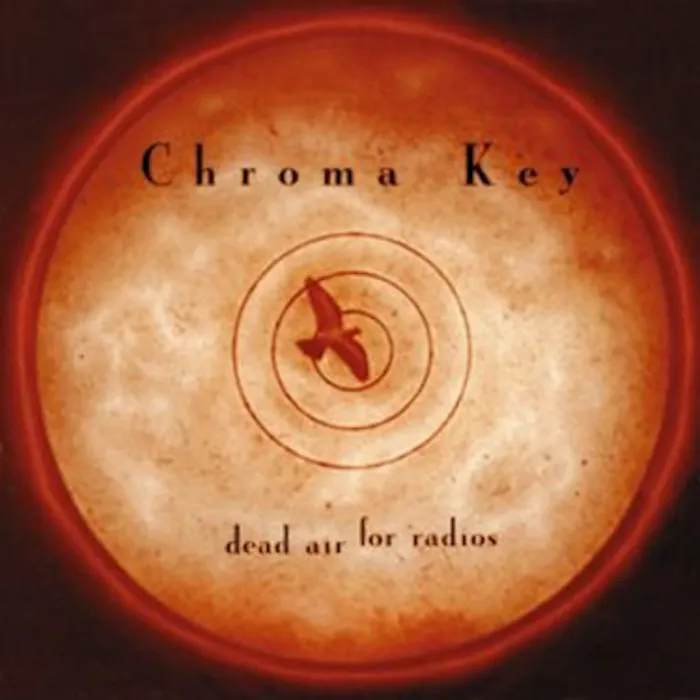
Dead Air for Radios
✎ Edit this releaseTracklist
- Colorblind04:52
- Even the Waves06:33
- Undertow04:49
- America the Video04:32
- S.O.S.05:25
- Camera 403:49
- On the Page04:21
- Mouse05:41
- Hell Mary04:03
Personnel
Personnel
- Kevin Moore – Vocals; keyboards; bass
- Mark Zonder – Drums
- Jason Anderson – Guitars
- Joey Vera – Bass (tracks 3-5)
For listeners expecting Kevin Moore to return with a louder version of his Dream Theater keyboard parts, Dead Air for Radios must have been a fairly decisive answer. Chroma Key’s first album puts his voice, songs and recorded fragments of other people’s lives at the centre. The keyboards are still important. They have a different job now.
Moore dates the release to December 16, 1998. It appeared through Fight Evil Records under the Chroma Key name, rather than as a conventional band assembled to continue where Awake had left off. The original nine-track sequence remains the basis of his own digital edition.1
A singer, with help from Fates Warning
Moore handles vocals, keyboards and bass, joined by Mark Zonder on drums and Jason Anderson on guitar. Joey Vera supplies bass on “Undertow”, “America the Video” and “S.O.S.”. Zonder and Vera connect the recording to Fates Warning, but the music is arranged around Moore’s songs rather than either band’s instrumental habits.1
Zonder later recalled receiving material from Moore, developing his parts and recording them. He had also played on the earlier three-song Chroma Key cassette. His account stresses the particular atmosphere of the songs and the fit between Moore’s voice and the music, rather than the technical challenge of the sessions.2
That is a useful way into the record. Moore’s understated singing does not compete with the instrumental backing. It sounds embedded in it. A drum figure or a sampled voice can carry as much of the emotional information as the line being sung.
The direction already suggested by Space-Dye Vest
“Colorblind”, “Even the Waves” and “Undertow” establish the album’s balance of melodic songs and uneasy surroundings. “America the Video” makes mediated experience part of the subject, while “Camera 4” and the closing “Hell Mary” give recorded speech a larger place in the running order. These fragments are part of the compositions, not merely introductions to be skipped once the song starts.1
“On the Page” and “Mouse (Now Watch What Happens)” further underline that the songs do not need long instrumental sections to feel unsettled. A repeated figure, a restrained vocal and a change in the surrounding sound can create more tension than another difficult passage would.
Moore later identified “Space-Dye Vest” as a useful indication of where he was heading, explaining that it could have belonged on a Chroma Key record. He also cautioned against reducing this music to the emotional circumstances of that earlier song. By the time of the following album, he was looking back at those experiences from a different position.3
A solo identity with its own name
The album’s importance is not that Moore proved he could do something less technically elaborate than Dream Theater. There was never much reason to doubt that. It is the consistency of the different musical priorities: the voice kept close to the arrangement, the rhythm allowed to settle, and the samples given enough space to become uncomfortable.
Chroma Key continued with You Go Now in 2000 and Graveyard Mountain Home in 2004. Dead Air for Radios remains the clearest introduction to the project as a collection of songs, before Moore pushed the balance further towards film, speech and extended atmosphere.