
Your rating
Your collection and ratings are saved in this browser and shown in My Dream Theater.
- Released (Japan)
- 28 Jun 2006
- Released (Europe)
- 18 Sept 2006
- Released (US)
- 13 Mar 2007
- Label
- Avex Trax
- Catalog number
- AVCD-17958
- Formats
- CD, LP, Digital
- Producers
- Marty Friedman, Allen Isaacs
Side projects · Marty Friedman · 2006
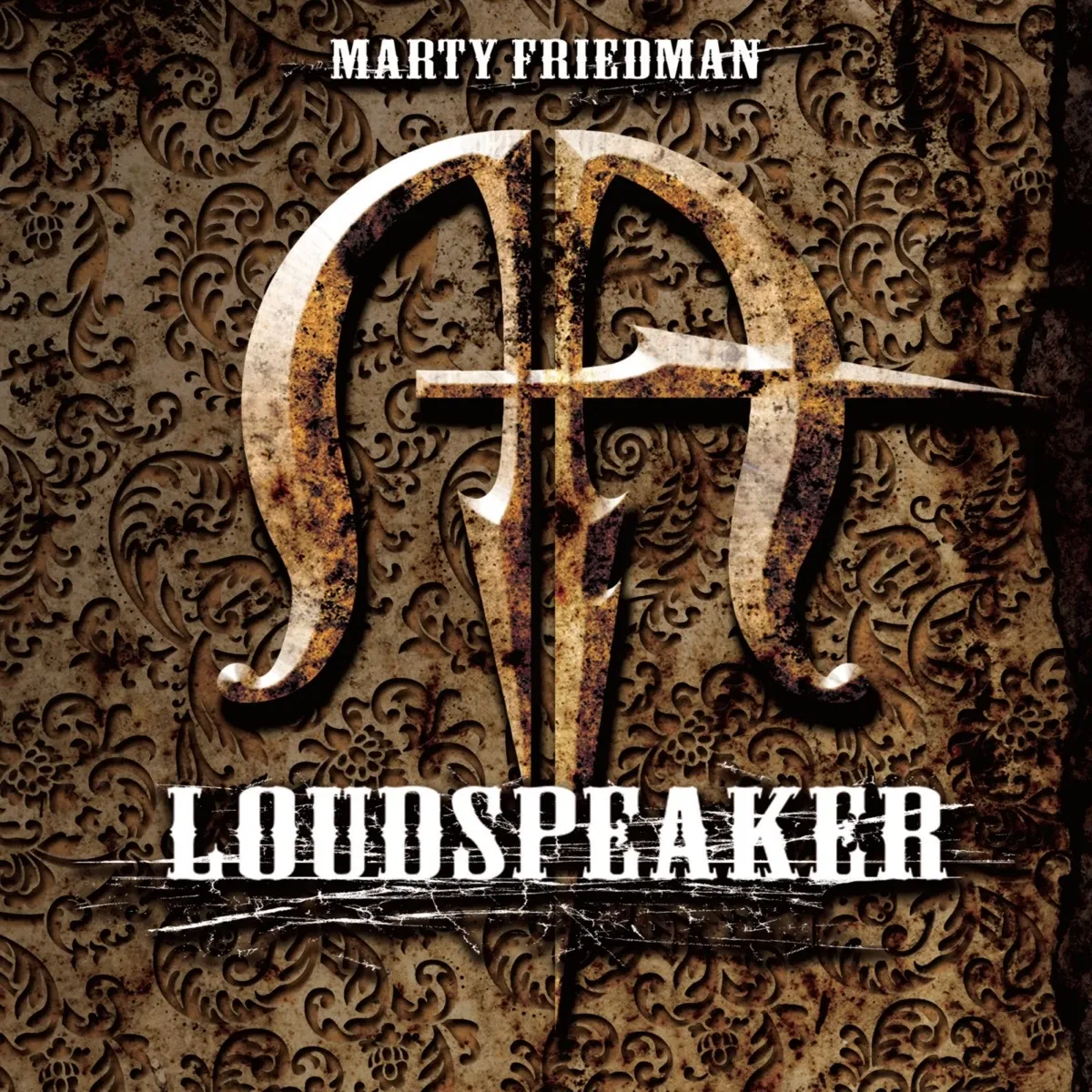
Loudspeaker
✎ Edit this releaseTracklist
Standard eleven-track programme
- Elixir4:35
- Street Demon3:30
- Black Orchid · John Petrucci: guest guitar.4:31
- Paradise Express4:48
- Sekai ni Hitotsu Dake no Hana (SMAP cover)4:16
- Glycerine Flesh5:15
- Stigmata★Addiction7:08
- Viper3:05
- Static Rain2:51
- Coloreas Mi Vida3:14
- Devil Take Tomorrow4:00
Japanese limited first-pressing programme
- Elixir4:35
- Street Demon3:30
- Black Orchid · John Petrucci: guest guitar.4:31
- Paradise Express4:48
- Sekai ni Hitotsu Dake no Hana (SMAP cover)4:16
- Glycerine Flesh5:15
- Stigmata★Addiction7:08
- Viper3:05
- Coloreas Mi Vida3:14
- Devil Take Tomorrow4:00
- Static Rain · Vocal version featuring Kirito · Japanese limited first pressing; replaces the instrumental version and appears at the end.2:46
Personnel
Guest performance
- John Petrucci – Guitars on Black Orchid
About this release
John Petrucci’s guest track on Loudspeaker is “Black Orchid”. Marty Friedman brings him into the third piece on the album, with other guests assigned their own songs: Steve Vai appears on “Viper”, while Billy Sheehan and Jens Johansson also contribute elsewhere. Petrucci is not the second guitarist throughout the record.12
Friedman’s sixth solo album first appeared in Japan in June 2006, with later European and American editions. The sessions drew on studios in Japan and California, with Friedman and Allen Isaacs producing. The arrangements also leave space for a cover of SMAP’s “Sekai ni Hitotsu Dake no Hana”, rather than making every track another Friedman instrumental.23
The Japanese first pressing changes the programme. Kirito sings “Static Rain”, used as the ending theme for Rock Fujiyama; that vocal version is placed at the end. The standard instrumental version appears earlier in the running order. These are alternate eleven-track programmes, not two consecutive discs or an album with both versions on every pressing.124