
Your rating
Your collection and ratings are saved in this browser and shown in My Dream Theater.
- Released (Digital)
- 10 Sept 2007
- Released (Artist Label Edition)
- 11 Sept 2007
- Label
- Magna Carta
- Formats
- CD, Digital Media
- Producers
- Jordan Rudess
- Art direction
- David Mattingly
Solo albums · Jordan Rudess · 2007
The Road Home
✎ Edit this releaseTracklist
- Dance On A Volcano (Genesis cover)08:44
- Sound Chaser (Yes cover)12:54
- Just The Same (Gentle Giant cover)08:22
- JR Piano Medley: Soon / Supper's Ready / I Talk to the Wind / And You and I (medley of covers)08:22
- Soon (Yes)
- Supper's Ready (Genesis)
- I Talk to the Wind (King Crimson)
- And You and I (Yes)
- Piece of the Pi03:05
- Tarkus (Emerson, Lake & Palmer cover)22:47
Personnel
Personnel
- Jordan Rudess – Keyboards; Vocals (I Talk to the Wind)
Guest musicians
- Rod Morgenstein – Drums (Dance on a Volcano, Sound Chaser, Just the Same, Tarkus)
- Neal Morse – Vocals (Dance on a Volcano)
- Marco Sfogli – Guitar (Dance on a Volcano)
- Nick D'Virgilio – Vocals (Sound Chaser)
- Kip Winger – Vocals (Sound Chaser, Just the Same; Mass and Battlefield from Tarkus)
- Steven Wilson – Vocals (Stones of Years from Tarkus)
- Ed Wynne – Guitar (Sound Chaser, Just the Same)
- Ricky Garcia – Guitar (Sound Chaser, Tarkus)
- Ron "Bumblefoot" Thal – Guitar (Just the Same, Tarkus)
- Bert Baldwin – Vocals (I Talk to the Wind)
Production
- Jordan Rudess – Producer
- David Mattingly – Cover art and illustration
- Paul Undersinger – Layout Design & Photos
The Road Home goes straight to the records that helped persuade Jordan Rudess to leave the classical path. Genesis, Yes, Gentle Giant and Emerson, Lake & Palmer supply most of the repertoire. This was not a random set of covers assembled because the tunes were convenient to play. The music was part of the reason he wanted to become this kind of keyboard player in the first place.1
Released by Magna Carta in September 2007, the album combines full-band arrangements, a piano medley and an original Rudess composition. The artist/label edition is dated September 11, while other editions carry September 10 and September 12 dates. The central point is the same record appearing in different release territories and formats, not three separate albums.12
Going back without standing still
Rudess’s account connects the idea with piano performances opening for Blackfield in 2005. He had begun working on the prog songs for that setting and returned to music that had changed his understanding of the keyboard’s role. Keith Emerson’s playing was especially important: a keyboard instrument could have the force of a rock band without giving up the harmonic possibilities that interested him.1
The arrangement choices make the record more specific than a general tribute to seventies prog. “Dance on a Volcano” comes from Genesis, “Sound Chaser” from Yes and “Just the Same” from Gentle Giant. The long closing “Tarkus” returns to ELP. Between them, “Piece of the Pi” provides an original piece rather than another cover.1
The piano medley links “Soon”, “Supper’s Ready”, “I Talk to the Wind” and “And You and I”. Those titles should remain attached to their original compositions, even though the album presents the performance as one track. A medley is an arrangement joining existing material, not a newly written song with four coincidental subtitles.1
Different voices for different songs
The credits assign Neal Morse to the vocals on “Dance on a Volcano”, with Marco Sfogli on guitar. Nick D’Virgilio and Kip Winger contribute to “Sound Chaser”. Winger also sings on “Just the Same” and parts of “Tarkus”, where Steven Wilson takes “Stones of Years”. Rod Morgenstein provides the drums on the full-band covers.1
The guitars include Ron “Bumblefoot” Thal, Ed Wynne and Ricky Garcia in different combinations, rather than one player covering the whole album. Rudess and Bert Baldwin are credited with the vocals for “I Talk to the Wind”. Those distinctions explain why the performances do not all use the same instrumental and vocal character.1
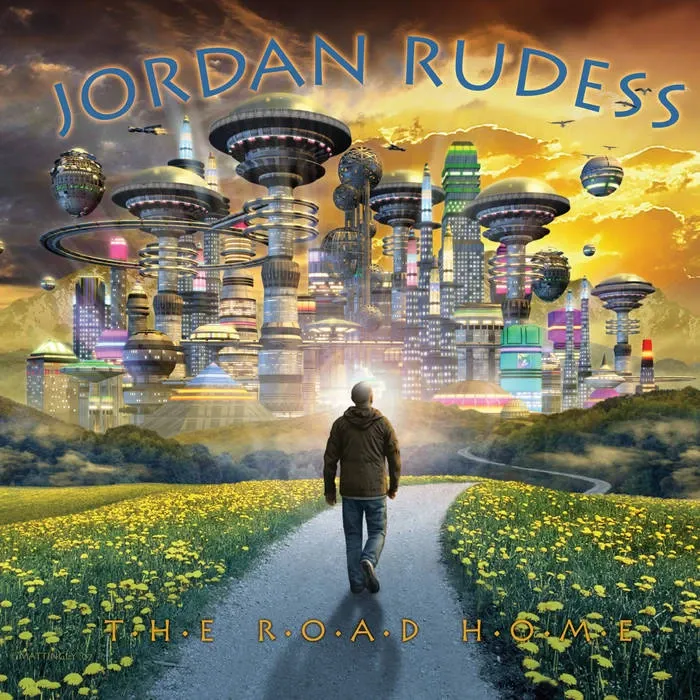
David Mattingly created the cover art and illustration, with Paul Undersinger handling layout and photographs. The visual setting sits comfortably with the repertoire, but the more important connection is musical: these are compositions with enough internal character that changing the voice or lead instrument genuinely changes how a section arrives.1
What a cover record has to earn
There is an obvious difficulty in choosing music that listeners already know in considerable detail. Getting the notes right establishes competence. It does not, by itself, explain why somebody needs another recording. The arrangement has to provide another perspective on the piece, or communicate the player’s relationship with it strongly enough to justify the return.
Rudess’s choice to move between a band setting and piano is useful in that respect. The songs are not all subjected to one new sound and left there. The medley also makes the connections between melodies part of the performance, instead of treating the selections as isolated monuments to be visited in turn.
The Road Home is therefore one of the more explicit accounts of his musical background. It does not need to pretend the influences are difficult to recognise. They are the subject of the record, and the challenge is what he and his collaborators can do with them.