
Your rating
Your collection and ratings are saved in this browser and shown in My Dream Theater.
- Released
- 11 Nov 2016
- Label
- Radiant Records / Metal Blade
- Formats
- CD, Expanded CD/video edition, Vinyl, Digital Media
- Producers
- The Neal Morse Band
Side projects · The Neal Morse Band · 2016
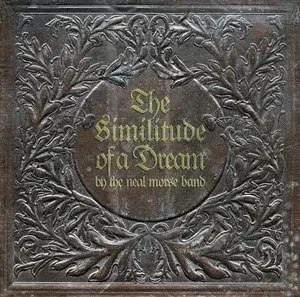
The Similitude of a Dream
✎ Edit this releaseOfficial clips
Tracklist
CD 1
- Long Day1:42
- Overture5:51
- The Dream2:28
- City of Destruction5:11
- We Have Got to Go2:29
- Makes No Sense4:10
- Draw the Line4:06
- The Slough3:03
- Back to the City4:19
- The Ways of a Fool6:48
- So Far Gone5:21
- Breath of Angels6:49
CD 2
- Slave to Your Mind5:55
- Shortcut to Salvation4:36
- The Man in the Iron Cage5:16
- The Road Called Home3:24
- Sloth5:48
- Freedom Song3:59
- I’m Running3:44
- The Mask4:28
- Confrontation3:59
- The Battle2:57
- Broken Sky / Long Day (Reprise)9:58
Special edition DVD
- The Making of a Dream
Personnel
The Neal Morse Band
- Neal Morse – Vocals; keyboards; guitars
- Mike Portnoy – Drums; vocals
- Randy George – Bass
- Eric Gillette – Guitars; vocals
- Bill Hubauer – Keyboards; vocals
The Similitude of a Dream takes John Bunyan’s The Pilgrim’s Progress as its starting point, following the traveller’s departure and the obstacles around him. The Neal Morse Band spread that account over two CDs, using short songs, linking passages and extended instrumental development to carry the story.1
Morse’s voice remains important, but the five-piece setting gives Eric Gillette and Bill Hubauer room to become recurring vocal characters. Portnoy and Randy George supply the rhythmic foundation, with the group’s writing making the transitions part of the arrangement. At this length, the ability to move between scenes matters as much as the larger instrumental peaks.
The sequence begins with “Long Day” and its overture, then moves through “City of Destruction”, “The Slough” and the changing encounters along the road. The second disc carries the story towards “Broken Sky / Long Day (Reprise)”. Returning to the opening material gives the ending a clear relationship with the first scene.1
Portnoy was unusually emphatic about the finished record. His 2017 comments with Morse, preserved in Through My Words, explain both his enthusiasm and his frustration that the album was being heard alongside Dream Theater’s much more visible The Astonishing. That comparison belongs to the musicians’ account of the period, rather than an automatic verdict on either double album.2
The band is credited with production on the official album page.3
The special edition adds The Making of a Dream on DVD. The album later became the basis of a complete stage performance, while The Great Adventure returned to Bunyan’s story through the family left behind. The two studio records connect without being interchangeable versions of the same programme.4