
Your rating
Your collection and ratings are saved in this browser and shown in My Dream Theater.
- Released
- 1999
- Label
- Key Wiz Music
- Formats
- CD
- Art direction
- Kosaku Nakamura
Solo albums · Jordan Rudess · 1999
Resonance
✎ Edit this releaseTracklist
Personnel
Personnel
- Jordan Rudess – Piano, Keyboards
Production
- John Guth – Mastering
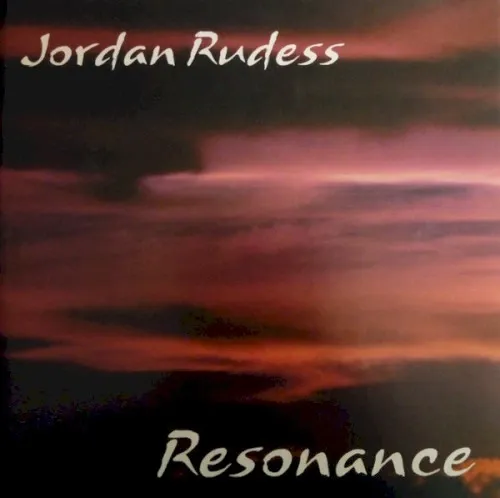
- Kosaku Nakamura – Cover art design
- Shem Cohen – Liner notes
Released in 1999, Resonance continues the improvised piano side of Jordan Rudess’s solo work. It is a short program in terms of the number of pieces, but not a collection of miniature interludes: the first three each run close to or beyond ten minutes. The music has room to develop through the performance itself.1
Rudess’s own contemporary explanation places the album alongside Secrets of the Muse, with both based on piano improvisations and generally mellower than the rock approach of Listen. That is a useful description from the time, before Dream Theater became the reference point for almost everything he released.2
Five performances
The title piece is followed by “Timeline” and “Flying”, with the shorter “Catharsis” and “Tears” closing the record. The contrast between those extended opening performances and the more concise ending gives the album a different shape from a sequence of evenly sized piano pieces.1
Improvisation does not automatically make a performance free of structure. The player still has to decide when to stay with an idea, when to change its harmony and when to leave it behind. With no rhythm section to force a transition, those choices become particularly exposed. A long piece needs to make the listener feel the connection between its passages, not simply make the clock advance.
The credits name Rudess on piano and keyboards, John Guth for mastering, Kosaku Nakamura for cover design and Shem Cohen for liner notes. MusicBrainz identifies the CD with Key Wiz Music. The personnel are modest compared with the guest lists on the later progressive rock records, but that is appropriate to the nature of the recording.13
Before the larger productions
The 1999 date places Resonance around the point when Rudess’s work with Liquid Tension Experiment was leading into his permanent membership of Dream Theater. The piano record belongs to his own parallel activity rather than a studio offcut from either group. Its title track is also distinct from other artists’ compositions carrying the same name.
Later Rudess albums would combine acoustic performance, orchestration and increasingly elaborate technology in different proportions. Here, the essential point is simpler: the pianist has enough space to follow an idea without needing to turn it into a band arrangement. That strand would remain a substantial part of the solo catalogue.