
Your rating
Your collection and ratings are saved in this browser and shown in My Dream Theater.
- Released
- 20 Oct 2017
- Label
- InsideOut Music
- Formats
- CD, 12" Vinyl, Digital Media
- Producers
- The Del Fuvio Brothers (Mike Portnoy and Derek Sherinian)
- Recorded
- March-August 2017
- Recording studios
- Ocean Studios, Burbank, CaliforniaAdditional recordings at the musicians’ own studios
- Art direction
- Thomas Ewerhard
Side projects · Sons of Apollo · 2017
Psychotic Symphony
✎ Edit this releaseTracklist
CD 1: Psychotic Symphony
- God of the Sun11:12
- Coming Home4:22
- Signs of the Time6:42
- Labyrinth9:22
- Alive5:05
- Lost in Oblivion4:27
- Figaro’s Whore1:04
- Divine Addiction4:42
- Opus Maximus10:39
CD 2: Instrumental mixes (limited mediabook)
- God of the Sun · Instrumental mix11:12
- Coming Home · Instrumental mix4:22
- Signs of the Time · Instrumental mix6:42
- Labyrinth · Instrumental mix9:22
- Alive · Instrumental mix5:05
- Lost in Oblivion · Instrumental mix4:27
- Figaro’s Whore · Instrumental mix1:04
- Divine Addiction · Instrumental mix4:42
- Opus Maximus · Alternate mix10:39
Personnel
Personnel
- Mike Portnoy – Drums; backing vocals
- Derek Sherinian – Keyboards
- Billy Sheehan – Bass
- Ron “Bumblefoot” Thal – Guitars; backing vocals
- Jeff Scott Soto – Lead vocals
Guest musicians
- Ashwin Batish – Sitar; chanting
- Keshav Batish – Tabla
- Artyom Manukyan – Cello
- Armand Melnbardis – Violin
- Kiara Perico – Viola
Production
- Jerry Guidroz – Engineering
- Greg Foeller – Assistant engineering
- Jay Ruston – Mixing
- Paul Logus – Mastering
- Enrico Cacace – Additional orchestration
- Hristo Shindov – Photography
Psychotic Symphony makes its intentions clear before “God of the Sun” has reached its first chorus. Derek Sherinian’s opening colours lead into a heavy, tightly played arrangement, with Jeff Scott Soto giving the music a very different vocal character from Dream Theater. There is plenty of instrumental complexity, but the album’s centre of gravity is hard rock and metal. The organ, guitar and bass are expected to sound big, and they do.1
The connection between Mike Portnoy and Sherinian goes back much further than this record. Their 2012 PSMS project with Billy Sheehan and Tony MacAlpine had already brought them together on stage again, and Sherinian had wanted to develop a band that could write original music. When the timing finally worked, Sheehan, Ron “Bumblefoot” Thal and Soto completed the lineup. The familiar names created considerable expectations, but the combination also brought different musical instincts into the writing.23
Portnoy, Sherinian and Thal built much of the music by exchanging riffs and developing them together. “God of the Sun” was the exception: Sherinian arrived with its music already composed, and the others saw little reason to change its structure. Portnoy also said that they had not raided unused Dream Theater material for the album. The sound naturally carries some of their shared history, but the writing was being developed for these players.2
The shorter songs provide a more direct route into that sound. “Coming Home” has a strong hook and an immediately recognisable keyboard opening, while “Signs of the Time” puts the weight of the rhythm section behind the vocal. “Alive” leaves more room for Soto’s melody and Thal’s more lyrical guitar playing. These songs do not need to become lengthy epics to give the musicians something interesting to do.12
“Labyrinth” is where the larger instrumental possibilities become especially enjoyable. Its changes in texture give the individual players room to stand out, with Sheehan’s bass and Sherinian’s organ remaining distinct inside the heavier passages. The closing “Opus Maximus” goes further into instrumental territory, moving through riffs, unison playing and exchanges between the musicians. Some transitions elsewhere on the album can feel assembled from separate ideas, but these passages show why the combination was worth pursuing.1
The short keyboard feature “Figaro’s Whore” leads into “Divine Addiction”, where the Deep Purple influence is particularly easy to hear. The shared affection for classic rock is an important part of the record, even when the arrangements become much more demanding. It gives Soto’s gruffer delivery and Sherinian’s Hammond sound a natural place within the band.12
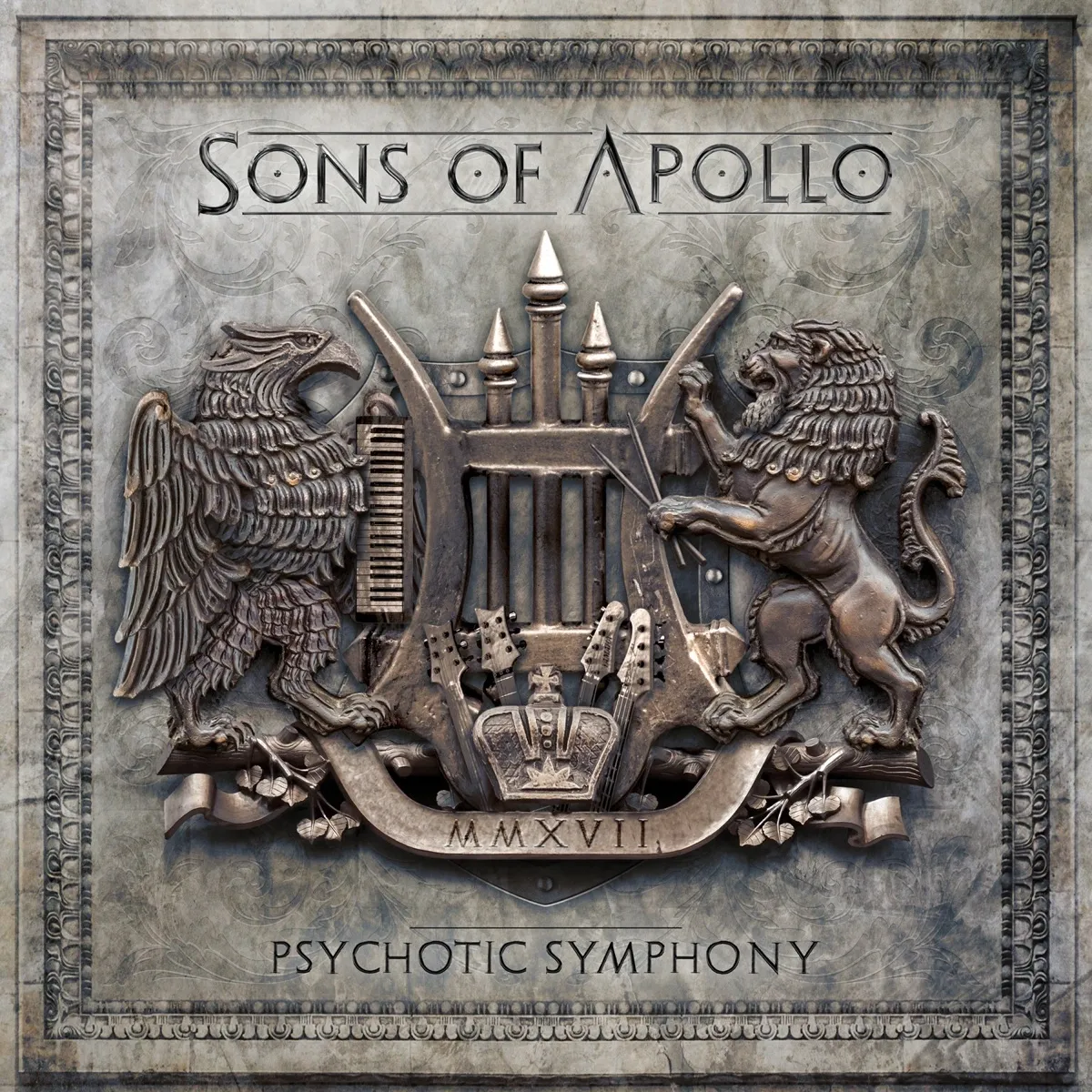
Produced by Portnoy and Sherinian as the Del Fuvio Brothers, the album was released on October 20, 2017. The limited mediabook adds instrumental versions and an alternate mix of “Opus Maximus”. Thomas Ewerhard’s crest artwork also has a specific history: the initial design used two lions, before Sherinian suggested replacing one with an eagle, drawing on the Armenian coat of arms. The resulting image gave the new band a recognisable identity before it took the music on tour.24
Footnotes
-
Kim Arthur Sakariassen’s original DT World review. ↩ ↩2 ↩3 ↩4
-
Portnoy and Sherinian discuss the writing, individual songs and artwork; the interview preserved in Through My Words. ↩ ↩2 ↩3 ↩4 ↩5
-
Sherinian on the PSMS connection and forming the band, Classic Rock Revisited, 2018, Through My Words. ↩
-
Sherinian’s official account of the recording and special edition; official InsideOut digital edition and running times. ↩