

Originally published in Rhythm magazine 223 · December 2013
drum solo article (excerpts)
Article3 min read
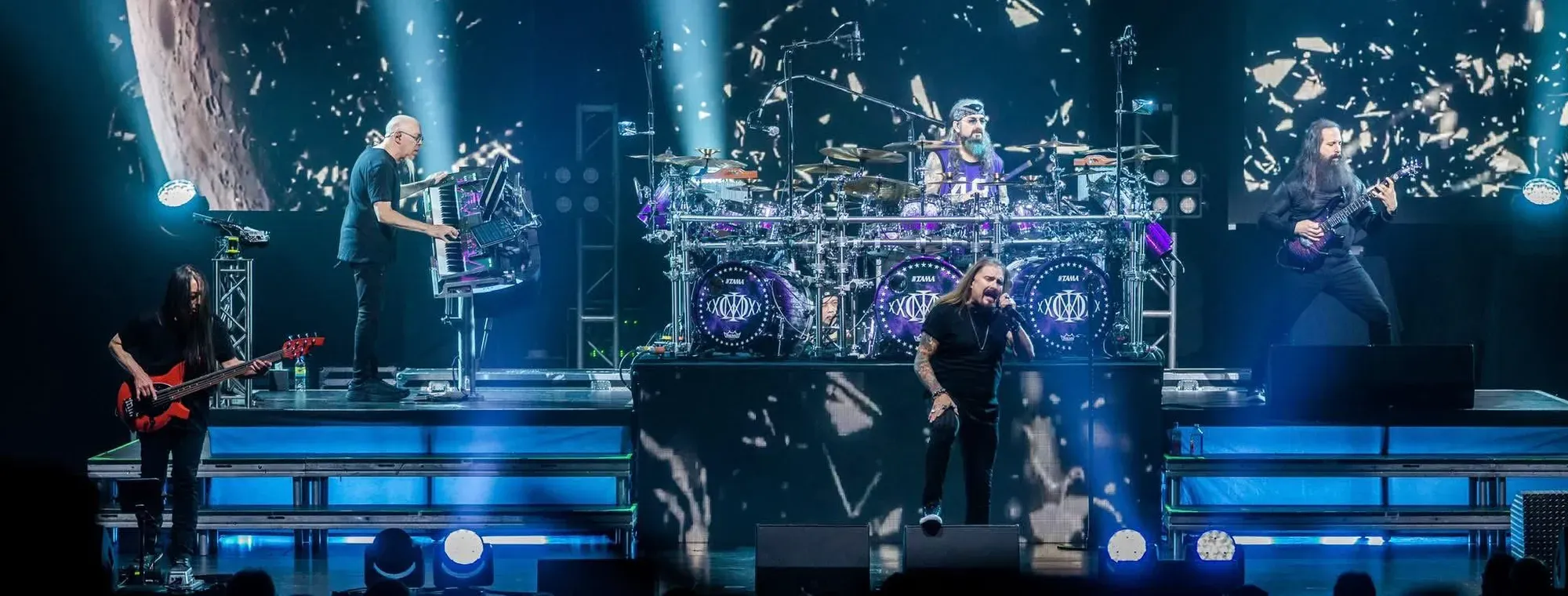
Dream Theater’s new super-technician Mike Mangini also aims to tell a story. He says, “I construct a solo based on the same rules that would make a written essay, meaning ideas that transition in some way and have a mechanical connection from statement to statement to the end. The ideas, or sentences, are a combination of the best technical things I can play given the parameters of musicality. I can’t just throw ideas in, I have to use the ones that are most fun to play but that work together in a way that comes across as palatably as I can, based on the rules of good storytelling.”
-----
Mike Portnoy remembers his Dream Theater solos. “In the 1980s/’90s I was more of the Neil Peart type of soloist, into the chops and the spectacle with the huge drumset. I stopped doing solos because I felt it was redundant, but my last couple of years I was going more for the Tommy Lee, entertaining approach. I’d take a tom and walk out to the stage front playing on the tom, on the floor, the mic stands and then [getting] drummers in the front row that I saw playing air drums and I would have them play on the torn with me. Whoever was the best I would bring up to my kit and let them solo with me on stage.”
-----
With his advanced concepts, Mike Mangini is conscious of not losing the audience. “I have to make it for everybody,” he says. “There are so few of us that have wired our brains to even begin to comprehend and recognise so many patterns that are so easy to do once you put in the work. Most people don’t recognise a base time, a feeling of 11 while a pattern of maybe five of those 11 notes is occurring at the same time. I have to tailor my solos to people who are not musicians, I can’t expect them to do the studying. They want to see sticks being spun and the guy that flips upside down. That drummer might be more entertaining. You need to please those people. I don’t judge that, I think all of that is tremendous and needs to be valued.”
-----
Neil [Peart] largely paved the way for Mike Portnoy, who reveals, “When I did the big solos [in Dream Theater] I was completely flying by the seat of my pants. I would have no idea how it was going to start, finish, and what was going in the middle: It was always, from night to night, a spontaneous reaction to the moment. Usually I would know the ending, a way to get out, and that would serve as the cue to the band members to get back on stage. To this day, every fill I play in every band is in the moment and different from show to show.”
-----
Most drummers love to witness great soloists and today drum clinics/fests are where you can see them up close. But is there a move back towards accepting solos and drum musicianship in the more mainstream music scene?
Mike Portnoy thinks so: “[Over] the last decade it’s become cool again to play an instrument. Games like Rock Band and Guitar Hero helped make it acceptable again for people to try to be good musicians. All the years I was in Dream Theater that was the biggest struggle - for us to gain recognition and acceptance, and I think we finally did. Now the bar is through the roof. You look at YouTube and there are 10-year-old drummers that are doing s**t that I can’t do, no way. There are kids out there raising the bar daily. It’s amazing.”