

Originally published in Power Metal.de · January 2008
Dream Theater: Interview with James LaBrie
20.01.2008
InterviewTranslatedJames LaBrie27 min read
Translated from the original language with DeepL, so the wording may differ from what was actually said.
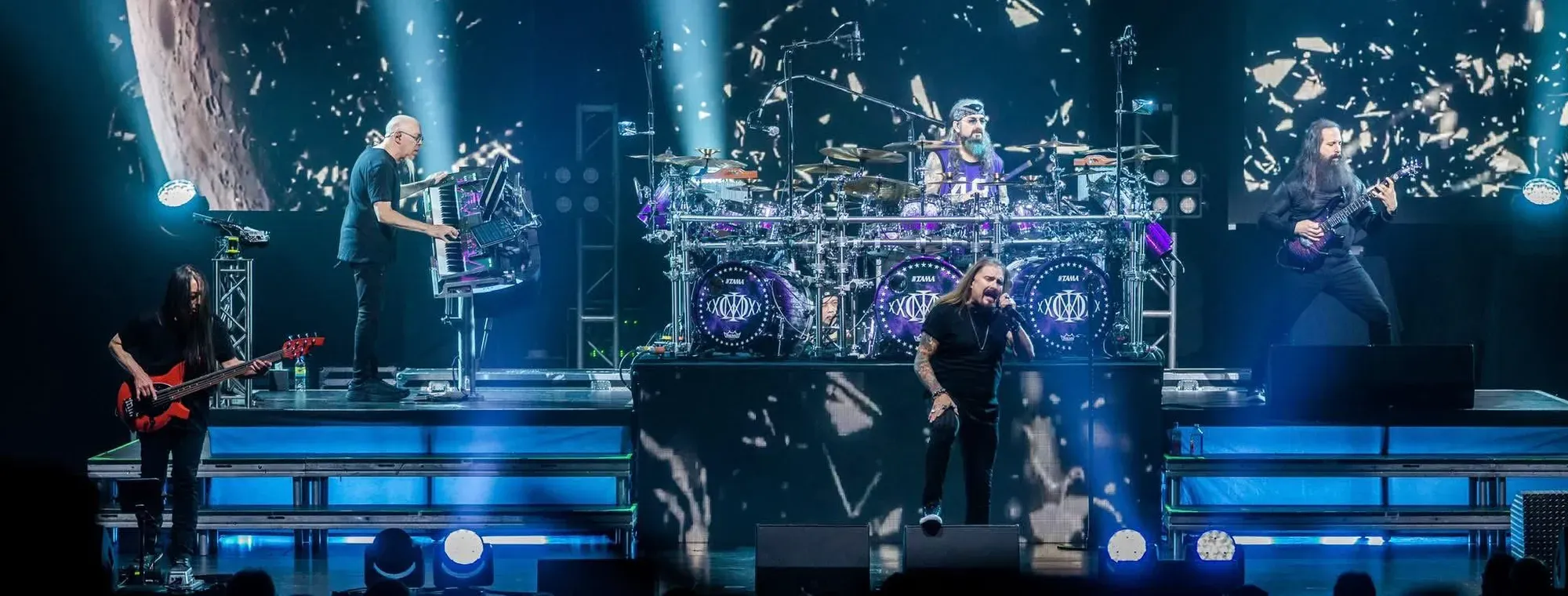
Dream Theater already were named the masters of progressive music with their second album "Images And Words", and still are, in terms of sales and fans. With their ninth studio album "Systematic Chaos" there were again opportunities for the band to give their legendary concerts. At one of these concerts I had the opportunity to talk a bit with James LaBrie about Dream Theater, his solo project and his vocal cord infection from 1994 to 2003.
Lars: Hi James, you guys are in the middle of the "Chaos In Motion World Tour". How is it going for you so far?
James LaBrie: Excellent, the shows are great, full, and people seem to really like it. It's going well, the new label Roadrunner has been very helpful, they've done everything they promised us, made sure the promotion is there, that it's reaching the right people, that interviews are being done and so on, and everything is going really well for the band.
Lars: That was different with Warner?
James LaBrie: Well, we did seven albums together with Atlantic Records - Atco, Eastwest, Atlantic is all the same, basically it's Warner. When we worked with them, we kind of realized that we weren't getting the support or the attention that we deserved. And we were sure that with the right support and help from the beginning we could have done much more. Now it's happening and we feel really good, having a good time, finally being where we belong.
Lars: How was the tour day today? Had time to stretch your legs a bit outside yet?
James LaBrie: We got in at 3am, went straight to the hotel, relaxed and came in this afternoon for the show. Generally speaking, when you're on tour you don't have a lot of time to look around, even if you're in a really great city and you have the time to look around and you want to experience some of the city, you still go back to the hotel very quickly to relax because you want to relax. On tour you can hardly do anything of your own, you have a very tight schedule.
Lars: Was there ever a chance to really get to know Europe?
James LaBrie: Over the years we've been to Europe I think 12 times now, I can't remember exactly how many times. But I think over all those years I've had the opportunity to see Kassel, Cologne, Frankfurt, Dusseldorf and Stuttgart, just certain places, but I admire them for what they are. I mean, I didn't get to know them as a tourist, according to the motto, these are the sights you have to see, and that's where we have to go, and that's what you have to see, it's rather severely limited, so there's no time for something like that.
Lars: In the last few years, you've attracted a lot of attention with the "An Evening With Dream Theater" concerts, where you played the whole evening. Now you have returned to the conventional concept and brought an opening band on board, like Symphony X in Germany for example. Why this change?
James LaBrie: We've been doing the "Evening With..." for three tours now, I think, and we need a break away from that format. Now we want to give a chance to other bands that we think deserve it and have benefits from facing our fans. I mean, we've had bands now like Riverside and Into Eternity, Redemption, right now we're touring with Symphony X, soon Opeth in North America. We think these are bands that have something to say and that are doing something that you can relate to.
Lars: Do you also have a personal relationship with the bands you take on tour or are they just forced on you by the label?
James LaBrie: Yeah, we do listen to the music. Okay, realistically it's usually Mike who has his fingers in the pie as to who should be there and who might be interesting, and he then makes the call to the agency and management to make sure we get the bands. He has a whole list of bands that he would like to tour with and that would make sense. And whoever has time, it's really first come, first served, then they get to come along, and if the band can't, then the next one and so on. And we really enjoy that, because the "Evening With..." lasted three to four hours, it's really a very demanding situation for everybody. And it's different now, because we play from 2 to 2½ hours now, all the way through. To be honest, the crazy thing is, with the "Evenings With..." you play for 1 to 1½ hours and then you have a quarter hour break, which is really good because then you can refresh yourself and play for another 1½ hours, and so it's actually more exhausting because this time you have to play all the way through 2½ hours, and you're just as exhausted afterwards. But it's still cool because it creates a different kind of "evening" with the support act and us, and that goes pretty well.
Lars: You might be especially known for the period from 1994 to 2003, when you suffered from a vocal cord infection that affected your stage performances. How exactly did it come about and how were you able to remedy the problem?
James LaBrie: On December 30, 1994, my wife and I were spending the holidays in Cuba, and I got food poisoning. I was pretty sick and was actually just throwing up. Later the doctors told me that I literally threw up my vocal cords, I had caused my arteries to burst. So it wasn't anything that could be operated on, but it wasn't anything that was incurable either. The only stupid thing was that it would take a long time to heal. And I asked how long, and they said we don't know. It depends on your body and how your body reacts to it and how you physically cope with it. Until 2003, eight years, my voice was so unstable, and it showed live. The voice was sometimes up, sometimes down, and I couldn't sing with the proper range or strength that was needed, and thank God in 2003 I felt it all come back, and I started training my voice again. But for eight years it was really hell.
Lars: Did you gain any experience from that time?
James LaBrie: I was grateful. Before the accident I took my voice for granted, the voice is there, no problem, I am what I am, and then when the accident happened I didn't realize what I had until then. It gives you a different perspective of what you have. And I think it made me grow spiritually as a person, even though that was a dark episode in my life. But it helped me understand that not everything is a given and you should appreciate what you have. Now I'm back in top form and singing like I used to, it feels good.
Lars: If you compare "Systematic Chaos" with "Octavarium", the main thing you notice is that it's harder, darker than its predecessor
James LaBrie: It's already dark, I mean the lyrics are about personal issues, global and social issues, and also fantasy-based issues. For me personally, the album is great because it's very balanced. It's Dream Theater through and through; very diverse, but on the surface it has very aggressive and powerful moments throughout the album. But I also think there's a huge amount of atmosphere behind it, more like Pink Floyd meets Opeth. Then there are atmospheric, dynamic parts that keep building, like in 'Prophets Of War' or 'Lost Souls', even in 'In The Presence Of Enemies', very dynamic, like a roller coaster ride, you feel so many different emotions, so many feelings are shown, like an exciting ride. For me it's a very powerful album, because so many feelings are expressed.
Lars: Did you have to change your voice for the darker concept of the album?
James LaBrie: Whenever I start an album, a song, I start by creating something that feels to me like the voice to the song. So that the song stands on its own. That creates a character, a personality for that song. This is the part of recording I love the most, trying to find different nuances of my voice that really uniquely get across what the song is trying to say musically, lyrically and melodically. So that even without understanding the language, you can understand the song through the voice, melody and its character. That's important for me. I had already done that on "Octavarium" and especially on "Scenes From A Memory", especially there, because of the different characters. Even on "Six Degrees Of Inner Turbulence", for example on 'Blind Faith' or 'Misunderstood', it's possible to really connect with the listener, so they can understand what the song means, how it feels, what it has to say.
Lars: Now you don't just sing your own lyrics, other band members, like Mike Portnoy, also write their own lyrics for the albums. How do you deal with these lyrics?
James LaBrie: It's easy because I immediately understand what is meant by the song. And if I don't understand something, if something is vague to me, something that maybe I don't understand lyrically, then I sit down with them and have them explain that part to me. Because the more I understand where the thought is coming from, the easier it is for me to get to the real character or feeling. To feel the way they felt when they wrote the song. And that makes it possible for me to become that lyric line. It's like "The Absolute Men" when I was singing Leonardo. I don't know if you know the album by Trent Gardner, that's when I sang Leonardo da Vinci, and I really did research on Leonardo, how he lived, what kind of person he was, and when I sang those songs, it was really possible for me to be like Leonardo, and for a period of time, I was Leonardo as best I could. That helps.
Lars: In the summer there was the possibility to see your "predecessor" Charles Dominici as an opening act with his group Dominici at some concerts. How was the relationship between you two?
James LaBrie: When I first met Charlie, it was in '92 when we were just leaving for the "Images And Word" tour, and he came to a show at a little club in Long Island. And the first thing he said was "I understand why you're in the band, you're the perfect choice, you've got the voice for the guys." And he came on tour with us this summer too, for two or three shows. It was cool, he had this band with some young guys from Italy, it was nice to see him on stage having fun.
Lars: Now John Petrucci and John Myung are two people with the same first name in your band, how do you actually keep them apart?
James LaBrie: Well, JP and JMX, John Petrucci is of course JP and John Myung is JMX.
Lars: And what does the X stand for?
James LaBrie: Well, I don't really know the whole meaning behind it, but it's like "The Phantom", he's mysterious and stuff, that's where the X comes from.
Lars: Now you are also known through your solo band James LaBrie, with whom you already recorded a CD called "Elements Of Persuasion". What is the current situation with new material?
James LaBrie: I'm in touch with Matt right now, most of it is already written, it's just a matter of refining some of the arrangements and when I sit down and write the melodies and lyrics. Realistically, it will hopefully be released in mid-2008. That's our goal, but it's going to be really good, it's a good evolution of "Elements Of Persuasion".
Lars: Can you also imagine to show solo material on stage, like Mike Portnoy did on the "Live At Budokan" with his Liquid Tension Experiment?
James LaBrie: He really did that? I think if they did that on purpose, I didn't realize that. I don't remember it there at all. Hmm, I think I remember a little clip during the last tour. To be honest, I wouldn't want to do anything like that. For me, Dream Theater is Dream Theater, and if I wanted to do James LaBrie, I have the band to do it, all great musicians, and that's the only place I want to present it. That's not to say that it would never happen, in 10 years maybe it could happen that I would propose something like that, but I think if we all started doing it, Jordan would play something from his band, John would play something from his solo band and so on. I don't think anything like that would come up. Besides, there are more than enough Dream Theater songs that could be played, we can hardly fit them in already, if we wanted to bring in the solo stuff as well, that would really be too much.
Lars: Personally, I'm probably one of the few people who particularly like "Falling Into Infinity", a record that is often held up in public as the worst Dream Theater album. What do you think of that album after all these years?
James LaBrie: I think it came off pretty bad because a lot of people heard us say that "Falling Into Infinity" was a dark chapter in our history, we were really struggling at the time because nobody was listening to us on the label side, they didn't want to hear us as a band, and I think over the years the press has really started to take that dissatisfaction from back then and put it on the album. Even I've said a few times that it was probably the lowest point for Dream Theater, because it didn't feel right to me at the time, there was a lot of conflict within the band, and after the tour we were really close to breaking up. But it was because of the label really starting to stomp on us, and we would have liked to say to the label, go on without us and leave us alone. I think that's why a lot of people don't like the album, because they look at it and think, "I don't think it's good, because the band already didn't like it, how am I supposed to like this?" Although there are some really great songs on it, like 'Lines In The Sand' or 'Trial Of Tears', I think it's a good album. Although there were some songs we are really unhappy with, for example 'Take Away My Pain', which was much stronger and better as a demo version. I think in the recording process the song was really destroyed because they tried to trim it more to radio pop, and at the end of the day the song wasn't really Dream Theater anymore. Anyway, I think it's a really strong album, I just think it was sold as bad by the press and people just swallowed it whole.
Lars: I'm quite surprised that you, unlike some of your colleagues, still give an interview so shortly before a concert. What do you actually do to keep your voice fit anyway?
James LaBrie: I do a lot of things before the show. First of all, I drink a lot of water, orange juice, take vitamins, jog five kilometers a day, sleep a lot and don't drink alcohol when I'm on tour. At home I love wine, my gin and tonic, but when I'm on tour I stay away from it, I don't want anything to do with it, and I prepare my voice, which means first I warm it up, and then I let it cool down. And all that keeps your voice in the right position, everything is as it should be. And you have to get your voice back in the "speaking position" after a concert, that's very important. I didn't use to do that, but when I started voice training after my illness, my voice coach told me that you have to bring your singing voice back to the speaking position by cooling down, that is, bringing your voice back to its ancestral, low speaking pitch. And all of that leads to staying in your voice permanently and reliably, so you can trust that your voice will be back when you need it. I mean, we do up to five shows a week, which is a lot, and when you're singing there for 2½ hours, it's pretty challenging, and I can totally understand the singers who say they don't do interviews before the concert because they want to give their voice a rest and not talk more than they have to.
And believe me, between 1994 and 2003 I never gave interviews because I had to save what I had left. But I think it all depends on the singer, how he takes care of his voice, and every voice is different. There are fragile voices that you have to take hell of care of, and then there are those that you can do interviews with beforehand, have a beer or two, and even smoke. It really depends on who you talk to about it. Although I wouldn't recommend any singer to drink or even smoke after a show, because no matter what singer, if they smoke it's just a matter of time before it affects their voice. But that's how I take care of my voice, and so far it's paid off. In the last two years I've really noticed that my voice is back to its peak.
Lars: How long does it take you to get your voice in the right position before and after a concert?
James LaBrie: For warming up I need about half an hour, for cooling down I need only 20 minutes.
Lars: Dream Theater are also very well known for their tribute concerts, for example with Iron Maiden's "Number Of The Beast" or Pink Floyd's "Dark Side Of The Moon". Do you already know which album is coming next?
James LaBrie: Yeah, I know, but I can't tell you. I mean, there are several classic albums that Mike has on his list that we'd like to pay tribute to and that have influenced us. But when that will be, I can't tell you. That will happen when we feel it makes sense, we're ready for it and we're prepared for it.
Original text
Dream Theater: Interview mit James LaBrie
20.01.2008
Bereits mit ihrem zweiten Album "Images And Words" wurden Dream Theater zu den Meistern der progressiven Musik ernannt, und sind es, was Verkaufszahlen und Fans betrifft, immer noch. Mit ihrem neunten Studioalbum "Systematic Chaos" gab es für die Band auch wieder Gelegenheiten, ihre legendären Konzerte zu geben. Auf einem dieser Konzerte hatte ich die Gelegenheit, ein bisschen mit James LaBrie über Dream Theater, sein Soloprojekt James LaBrie und seine Stimmbandinfektion von 1994 bis 2003 zu reden.
Lars: Hi James, ihr seid ja mitten in der "Chaos In Motion World Tour". Wie läuft es bis jetzt für dich?
James LaBrie: Exzellent, die Shows sind großartig, voll, und den Leuten scheint es richtig zu gefallen. Es geht gut, das neue Label Roadrunner war sehr hilfreich, sie haben alles gemacht was sie uns versprochen haben, haben sicher gestellt, dass die Promotion da ist, dass es die Richtigen erreicht, dass Interviews gemacht werden und so weiter, und alles läuft echt gut für die Band.
Lars: Das war anders mit Warner?
James LaBrie: Nun, wir haben sieben Alben zusammen mit Atlantic Records gemacht - Atco, Eastwest, Atlantic ist alles dasselbe, prinzipiell ist es Warner. Als wir mit ihnen gearbeitet haben, merkten wir irgendwie, dass wir nicht die Unterstützung beziehungsweise die Aufmerksamkeit bekamen, die wir verdienten. Und wir waren uns sicher, dass wir mit der richtigen Unterstützung und Hilfe von Anfang an viel mehr hätten erreichen können. Nun passiert es, und wir fühlen uns richtig gut, haben eine gute Zeit, sind nun endlich da, wo wir hingehören.
Lars: Wie war der Tourtag heute? Schon Zeit gehabt, sich draußen ein bisschen die Beine zu vertreten?
James LaBrie: Wir sind um 3 Uhr morgens angekommen, sind gleich ins Hotel gefahren, haben uns entspannt und sind heute Nachmittag für die Show hergekommen. Generell gesagt, wenn du auf Tour bist, hast du nicht viel Zeit, dich umzuschauen, auch wenn du in einer wirklich tollen Stadt bist und du die Zeit hast, dich umzuschauen, und du etwas von der Stadt erleben willst, gehst du trotzdem sehr schnell wieder ins Hotel zurück um dich zu entspannen, denn du willst dich entspannen. Auf Tour kannst du kaum was Eigenes machen, du hast einen sehr engen Zeitplan.
Lars: Gab es jemals die Gelegenheit, Europa richtig kennen zu lernen?
James LaBrie: Über die Jahre waren wir jetzt, ich glaube 12 Mal in Europa, ich kann mich grad nicht erinnern wie oft genau das war. Aber ich denke über all die Jahre hatte ich schon die Möglichkeit Kassel, Köln, Frankfurt, Düsseldorf und Stuttgart zu sehen, zwar nur bestimmte Orte, aber ich bewundere sie dafür was sie sind. Ich meine, ich habe sie nicht als Tourist kennen gelernt, nach dem Motto, das sind die Sehenswürdigkeiten die man sehen muss, und da müssen wir hin, und das muss man sehen, es ist eher stark beschränkt, so dass für so was keine Zeit bleibt.
Lars: In den letzten Jahren habt ihr ja vor allem mit den "An Evening With Dream Theater"-Konzerten auf euch aufmerksam gemacht, bei denen ihr den gesamten Abend bestritten habt. Jetzt seid ihr wieder zu dem konventionellen Konzept zurückgekehrt und habt euch eine Vorband mit ins Boot geholt, wie in Deutschland beispielsweise Symphony X. Warum dieser Wechsel?
James LaBrie: Wir haben die "Evening With..." jetzt drei Touren lang gemacht, glaube ich, und wir brauchen eine Pause, weg von diesem Format. Nun wollen wir auch anderen Bands eine Chance geben, von denen wir denken, dass sie es verdient haben, und Vorteile davon haben, sich unseren Fans zu stellen. Ich meine, wir hatten jetzt Bands wie Riverside und Into Eternity, Redemption, gerade touren wir mit Symphony X, bald auch mit Opeth in Nordamerika. Wir denken, das sind Bands, die etwas zu sagen haben und die etwas machen, mit dem man sich auch identifizieren kann.
Lars: Habt ihr auch eine persönliche Beziehung zu den Bands, die ihr auf Tour mitnehmt oder werden die euch einfach vom Label aufgedrängt?
James LaBrie: Ja, wir hören uns die Musik schon an. Okay, realistisch gesehen ist es normalerweise Mike, der seine Finger im Spiel hat bezüglich wer dabei sein soll und wer interessant sein könnte, und er macht dann den Anruf an die Agentur und ans Management, um sicher zu stellen, dass wir die Bands auch bekommen. Er hat eine ganze Liste von Bands, mit denen er gerne touren würde und mit denen das auch Sinn machen würde. Und wer auch immer Zeit hat, da heißt es wirklich wer zuerst kommt malt zuerst, der darf dann mitkommen, und wenn die Band nicht kann, dann die nächste und so weiter. Und wir genießen das richtig, da die "Evening With..." drei bis vier Stunden gedauert hat, das ist wirklich eine sehr fordernde Situation für jeden. Und das ist jetzt anders, denn wir spielen jetzt von 2 bis 2 ½ Stunden, ganz durch. Um ehrlich zu sein, das Verrückte ist, bei den "Evenings With..." spielst du 1 bis 1 ½ Stunden und hast dann eine viertel Stunde Pause, was wirklich gut ist, da du dich dann auffrischen kannst und noch mal 1 ½ Stunden spielen kannst, und so ist es eigentlich anstrengender, weil du diesmal die ganzen 2 ½ Stunden durchspielen musst, und du bist hinterher genauso geschafft. Es ist aber trotzdem cool, da dadurch eine andere Art von "Evening" entsteht mit dem Supportact und uns, und das geht ziemlich gut.
Lars: Besonders bekannt dürfte bei dir ja die Phase von 1994 bis 2003 sein, in der du an einer Stimmbandinfektion gelitten hattest, die vor allem auch deine Bühnenauftritte beeinflusste. Wie genau kam es dazu, und wie konntest du das Problem wieder beheben?
James LaBrie: Am 30. Dezember 1994 haben meine Frau und ich die Feiertage in Kuba verbracht, und ich habe mir eine Lebensmittelvergiftung geholt. Ich war ziemlich krank und war eigentlich nur noch dabei, mich zu übergeben. Später haben mir dann die Ärzte erzählt, dass ich mir wortwörtlich die Stimmbänder rausgekotzt hab, ich hatte meine Arterien zum Platzen gebracht. Es war also nichts, das man operieren kann, aber auch nichts, was unheilbar war. Das einzig Blöde war, dass es eine lange Zeit dauern würde, um zu heilen. Und ich fragte, wie lang, und sie sagten, das wissen wir nicht. Das kommt auf deinen Körper an und wie dein Körper darauf reagiert und wie du physisch damit zurecht kommst. Bis 2003, also acht Jahre, war meine Stimme so instabil, und das zeigte sich live auch. Die Stimme war mal oben, mal unten und ich konnte nicht mit dem angemessenen Umfang oder der Kraft singen, die nötig war, und Gott sei Dank fühlte ich 2003, wie alles wieder zurück kam, und ich fing an, meine Stimme wieder zu trainieren. Aber für acht Jahre war es echt die Hölle.
Lars: Hast du aus dieser Zeit irgendwelche Erfahrungen gewonnen?
James LaBrie: Ich war dankbar. Vor dem Unfall hielt ich meine Stimme für gegeben, die Stimme ist da, kein Problem, ich bin was ich bin, und als dann der Unfall passierte, realisierte ich erst, was ich da hatte. Es gibt dir eine andere Perspektive davon, was du hast. Und ich glaube, dadurch bin ich geistig gewachsen als Mensch, obwohl das eine dunkle Episode in meinem Leben war. Aber es half mir, zu verstehen, dass nicht alles gegeben ist und man schätzen soll, was man hat. Nun bin ich in Topform zurück und singe, wie ich es gewohnt bin, es fühlt sich gut an.
Lars: Vergleicht man "Systematic Chaos" mit "Octavarium", fällt vor allem auf, dass es härter, dunkler als der Vorgänger ist
James LaBrie: Es ist schon dunkel, ich meine, die Texte handeln von persönlichen Themen, globalen und sozialen Themen, und auch von Fantasy-basierten Themen. Für mich persönlich ist das Album großartig, weil es sehr ausgeglichen ist. Es ist durch und durch Dream Theater; sehr vielfältig, aber vordergründig hat es sehr aggressive und kraftvolle Momente, die sich durch das ganze Album hindurchziehen. Aber ich denke auch, dass hintergründig eine große Menge Atmosphäre besteht, mehr so was wie Pink Floyd meets Opeth. Dann gibt es atmosphärische, dynamische Stellen, die sich immer weiter aufbauen, wie in 'Prophets Of War' oder 'Lost Souls', sogar bei 'In The Presence Of Enemys', sehr dynamisch, wie eine Achterbahnfahrt, du fühlst so viele verschieden Emotionen, so viele Gefühle werden gezeigt, wie bei einer aufregenden Fahrt. Für mich ist es ein sehr kraftvolles Album, da so viele Gefühle ausgedrückt werden.
Lars: Musstest du für das dunklere Konzept des Albums deine Stimme verändern?
James LaBrie: Immer wenn ich ein Album, ein Lied beginne, fange ich erst einmal damit an, etwas zu schaffen, das sich für mich wie die Stimme zu dem Song anfühlt. So dass dieser Song für sich allein steht. Das kreiert einen Charakter, eine Personalität für diesen Song. Diesen Teil der Aufnahme liebe ich am meisten, da ich versuche, verschiedene Nuancen meiner Stimme zu finden, die wirklich einzigartig rüberbringen was der Song musikalisch, textlich und melodisch sagen will. So dass man sogar, ohne die Sprache zu verstehen, den Song durch die Stimme, Melodie und seinen Charakter begreifen kann. Das ist wichtig für mich. Das hatte ich schon auf "Octavarium" und vor allem auch bei "Scenes From A Memory" gemacht, besonders da, wegen den unterschiedlichen Charakteren. Sogar auf "Six Degrees Of Inner Turbulence", etwa bei 'Blind Faith' oder 'Misunderstood' ist es möglich, sich richtig mit dem Zuhörer zu verbinden, damit er begreift, was der Song bedeutet, wie er sich anfühlt, was er zu sagen hat.
Lars: Nun singst du ja nicht nur deine eigenen Texte, auch andere Bandmitglieder, wie etwa Mike Portnoy, schreiben für die Alben eigene Lyrics. Wie gehst du mit diesen Texten um?
James LaBrie: Es ist einfach, weil ich sofort verstehe, was mit dem Song gemeint ist. Und wenn ich etwas nicht verstehe, wenn etwas vage für mich ist, etwas, das ich vielleicht textlich nicht verstehe, dann setze ich mich mit ihnen zusammen und lasse mir den Teil erklären. Denn je mehr ich verstehe, wo der Gedanke herkommt, desto einfacher ist es für mich, an den wirklichen Charakter oder das Gefühl ranzukommen. So zu fühlen, wie sie sich beim Schreiben des Songs fühlten. Und das macht es mir möglich, diese Textzeile zu werden. Es ist wie bei "The Absolute Men", als ich Leonardo sang. Ich weiß nicht, ob du das Album kennst von Trent Gardner, da sang ich Leonardo da Vinci, und ich hab wirklich Nachforschungen über Leonardo angestellt, wie er lebte, was für ein Mensch er war, und als ich diese Lieder sang, war es mir wirklich möglich, wie Leonardo zu sein, und für eine bestimmte Zeit war ich Leonardo, so gut ich nur konnte. Das hilft.
Lars: Im Sommer gab es ja bei einigen Konzerten die Möglichkeit, deinen "Vorgänger" Charles Dominici als Vorband mit seiner Gruppe Dominici zu sehen. Wie war da eigentlich das Verhältnis zwischen euch beiden?
James LaBrie: Als ich zum ersten Mal Charlie traf, das war '92, als wir grad zur "Images And Word"-Tour aufbrachen, und er kam zu einer Show in einem kleinen Club in Long Island. Und das Erste, was er sagte, war "Ich verstehe, warum du in der Band bist, du bist die perfekte Wahl, du hast die Stimme für die Jungs." Und er kam auch diesen Sommer mit uns auf Tour, bei zwei oder drei Shows. Es war cool, er hatte diese Band mit ein paar jungen Leuten aus Italien, es war schön zu sehen wie er auf der Bühne war und Spaß dabei hatte.
Lars: Nun sind mit John Petrucci und John Myung zwei Personen desselben Vornamens in eurer Band, wie haltet ihr die beiden eigentlich auseinander?
James LaBrie: Nun, J.P. und J.M.X., John Petrucci ist natürlich J.P. und John Myung ist J.M.X.
Lars: Und wofür steht das X?
James LaBrie: Nun, ich weiß nicht wirklich den ganzen Sinn dahinter, aber es ist wie "Das Phantom", er ist mysteriös und so was, daher das X.
Lars: Nun bist du ja auch durch deine Soloband James LaBrie bekannt, mit der du bereits eine CD namens "Elements Of Persuasion" aufgenommen hast. Wie sieht es derzeit mit neuem Material aus?
James LaBrie: Ich bin gerade mit Martin in Verbindung, das Meiste ist schon geschrieben, ist nur noch eine Frage der Verfeinerung einiger der Arrangements, und wann ich mich hinsetze und die Melodien und Texte schreibe. Realistisch gesehen wird es hoffentlich Mitte 2008 erscheinen. Das ist unser Ziel, aber es wird wirklich gut, es ist eine gute Weiterentwicklung von "Elements Of Persuasion".
Lars: Kannst du dir auch vorstellen, Solomaterial auf der Bühne zu zeigen, wie es etwa Mike Portnoy auf der "Live At Budokan" mit seinem Liquid Tension Experiment gemacht hatte?
James LaBrie: Das hat er echt gemacht? Ich glaube, wenn sie das mit Absicht gemacht haben, ist mir das nicht bewusst geworden. Ich kann mich da gar nicht dran erinnern. Hm, ich glaube, ich kann mich an einen kleinen Ausschnitt während der letzten Tour erinnern. Um ehrlich zu sein, ich würde so was gar nicht machen wollen. Für mich ist Dream Theater Dream Theater, und wenn ich James LaBrie machen wollte, dann hab ich die Band dafür, allesamt großartige Musiker, und nur da möchte ich das präsentieren. Das heißt nicht, dass das niemals passieren würde, in 10 Jahren vielleicht könnte es schon vorkommen, dass ich so was vorschlagen würde, aber ich denke, wenn wir alle damit anfangen würde, würde Jordan was von seiner Band spielen, John was von seiner Soloband spielen und so weiter. Ich glaub nicht, dass so etwas auf uns zukommt. Außerdem, es gibt mehr als genug Dream Theater-Songs, die man spielen könnte, die können wir ja jetzt schon kaum unterbringen, wenn wir dann auch noch die Solostücke einbringen wollten, das wäre echt zuviel.
Lars: Ich persönlich bin wohl einer der wenigen, denen besonders die "Falling Into Infinity" gefällt, eine Platte, die in der Öffentlichkeit häufig als das schlechteste Dream Theater-Album herhalten muss. Was hältst du nach all den Jahren von dem Album?
James LaBrie: Ich glaube, es kam ziemlich schlimm an, weil viele Leute hörten, wie wir sagten, dass "Falling Into Infinity" ein dunkles Kapitel in unserer Geschichte ist, wir hatten damals richtig zu kämpfen, da uns auf der Seite des Labels niemand zuhörte, sie wollten uns als Band nicht hören, und ich glaube, über die Jahre hat die Presse wirklich angefangen, diese Unzufriedenheit von damals auf das Album zu übertragen. Sogar ich hab ein paar Mal gesagt, dass es wahrscheinlich der tiefste Punkt für Dream Theater war, denn es fühlte sich für mich damals nicht richtig an, es gab viele Konflikte innerhalb der Band, und nach der Tour waren wir wirklich kurz davor, uns aufzulösen. Aber es war wegen dem Label, das wirklich anfing, auf uns rumzutrampeln, und wir dem Label gegenüber gern gesagt hätten, macht ohne uns weiter und lasst uns in Ruhe. Ich glaube, deswegen mögen viele Leute das Album nicht, denn sie schauen es sich an und denken: "Ich denke nicht, dass es gut ist, denn die Band hat es ja schon nicht gemocht, wie soll ich das mögen?" Obwohl einige wirklich großartige Songs darauf sind, z.B. 'Lines In The Sand' oder 'Trial Of Tears', ich glaube, es ist ein gutes Album. Es gab zwar einige Songs, mit denen wir wirklich unzufrieden sind, zum Beispiel 'Take Away My Pain', das als Demoversion viel stärker und besser war. Ich glaube, bei den Aufnahmen wurde der Song regelrecht zerstört, da sie versuchten, es mehr auf Radiopop zu trimmen, und letzten Endes war der Song nicht mehr wirklich Dream Theater. Jedenfalls, ich glaube es ist ein wirklich starkes Album, ich denke nur, von der Presse wurde es als schlecht verkauft und die Leute haben es ganz einfach geschluckt.
Lars: Ich bin ja ziemlich überrascht, dass du im Gegensatz zu einigen deiner Kollegen so kurz vor einem Konzert noch ein Interview gibst. Was machst du eigentlich, um deine Stimme trotzdem fit zu halten?
James LaBrie: Ich mache vieles vor der Show. Zuerst trinke ich viel Wasser, Orangensaft, nehme Vitamine, jogge fünf Kilometer am Tag, schlafe viel und trinke keinen Alkohol, wenn ich auf Tour bin. Zuhause liebe ich Wein, meinen Gin Tonic, aber wenn ich auf Tour bin, halte ich mich davon fern, da will ich nichts damit zu tun haben, und ich bereite meine Stimme vor, das heißt erst wärme ich sie auf, und dann lasse ich sie wieder abkühlen. Und all das hält deine Stimme in der richtigen Lage, alles ist so, wie es sein sollte. Und du musst deine Stimme nach einem Konzert wieder in die "Sprechlage" bringen, das ist sehr wichtig. Ich habe das früher nicht gemacht, aber als ich nach meiner Krankheit mit dem Stimmtraining angefangen hatte, erzählte mir mein Stimmtrainer, dass man seine Singstimme wieder in die Sprechlage bringen muss, indem man sich abkühlt, das heißt, dass man seine Stimme in die angestammte, tiefe Sprechhöhe zurückbringt. Und das alles führt dazu, dass man dauerhaft und zuverlässig in seiner Stimme bleibt, so dass man darauf vertrauen kann, dass die Stimme wieder da ist, wenn man sie braucht. Ich meine, wir machen bis zu fünf Shows in der Woche, das ist eine ganze Menge, und wenn man da 2 ½ Stunden singt, ist das ziemlich herausfordernd, und ich kann die Sänger total verstehen, die sagen, dass sie vor dem Konzert keine Interviews geben, da sie ihrer Stimme Ruhe geben wollen und nicht mehr reden als sie müssen.
Und glaub mir, zwischen 1994 und 2003 habe ich nie Interviews gegeben, denn ich musste das aufsparen, was ich noch hatte. Aber ich denke, das kommt ganz auf den Sänger an, wie er auf seine Stimme Acht gibt, und jede Stimme ist anders. Es gibt zerbrechliche Stimmen, auf die man höllisch Acht geben muss, und dann gibt es solche, mit denen du vorher Interviews geben kannst, ein Bier oder zwei trinken und sogar rauchen kannst. Es kommt wirklich darauf an, mit wem man darüber spricht. Ich würde zwar keinem Sänger empfehlen, nach einer Show zu trinken oder sogar zu rauchen, denn egal bei welchem Sänger, wenn er raucht ist es nur eine Frage der Zeit, bis es seine Stimme beeinflusst. Aber so passe ich auf meine Stimme auf, und bis jetzt hat sich das bezahlt gemacht. In den letzten zwei Jahren habe ich wirklich gemerkt, dass meine Stimme wieder auf ihrem Höhepunkt angekommen ist.
Lars: Wie lange brauchst du, um deine Stimme vor und nach einem Konzert in die richtige Lage zu bringen?
James LaBrie: Für das Aufwärmen brauche ich etwa eine halbe Stunde, fürs Abkühlen benötige ich dann nur noch 20 Minuten.
Lars: Dream Theater sind ja auch sehr bekannt für ihre Tribute-Konzerte, etwa mit Iron Maidens "Number Of The Beast" oder Pink Floyds "Dark Side Of The Moon". Weißt du schon, welches Album als nächstes kommt?
James LaBrie: Ja, ich weiß es, aber ich kann es dir nicht sagen. Ich meine, es gibt verschiedene klassische Alben, die Mike auf seiner Liste hat, denen wir gerne unseren Tribut zollen würden und die uns beeinflusst haben. Aber wann das sein wird, kann ich dir nicht sagen. Das wird passieren, wenn wir fühlen, dass es Sinn macht, wir bereit dafür sind und auch darauf vorbereitet.