

Originally published in Burrn! magazine · June 1993
It’s Not A Dream!
By Candy Malone
InterviewTranslated20 min read
Translated from the original language with Google Translate, so the wording may differ from what was actually said.
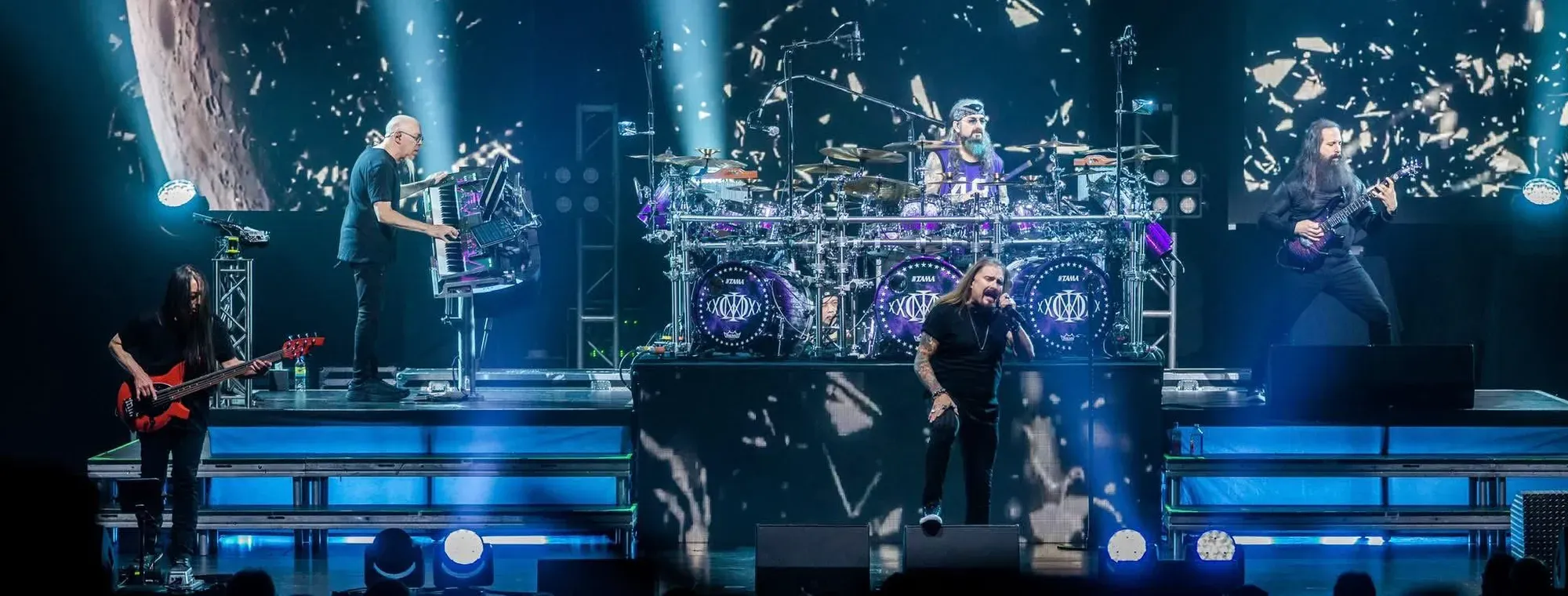
As the members of Dream Theater settled around a table in a hotel conference room, guitarist John Petrucci reached for his sunglasses, bothered by the sunlight streaming in through the nearby window. Yet, the band was basking in more than just the sunlight; they were also reveling in the glory of their achievements in the Burrn! Readers’ Pop Poll. Not only was Images And Words voted the best album of 1992, but James LaBrie was named best vocalist and Kevin Moore best keyboardist – and what a stroke of good fortune that this recognition came on the eve of their first European tour. If their debut at London’s Marquee Club turns out to be a sold-out show before an enthusiastic audience, they had better get used to the limelight quickly.
Burrn! To start off, how do you feel about this remarkable achievement in the Burrn! Readers’ Pop Poll?
Mike Portnoy: I was disappointed because I didn’t get voted Best Drummer! [laughs] I’m just kidding, of course!
B! Did you expect results like this?
Kevin Moore: Not at all. It’s really great. We’ve never been voted for anything like this before.
John Petrucci: Yeah. It’s actually quite moving!
James LaBrie: It’s amazing. Since these are votes from the general public, it really means a lot. It’s awesome that they chose us for Best Album.
MP: We really managed to pull the wool over everyone’s eyes, didn’t we! [laughs]
B! But your tour in Japan was truly fantastic, so surely you expected at least a little something?
MP: No way, not at all.
JL: The tour went amazingly well. But we never imagined something like this would happen.
JP: I do think the tour was great – it’s not like we sold out the Budokan or anything... but for where we were at the time, it was the best. The fans’ reaction was incredible, but I never even considered something like this. Best Album, you know? Especially considering how many albums are released out there.
B! What was your impression of the Japanese audience? Was there a difference compared to American fans?
KM: Japanese fans pay attention to the mellow and dynamic parts of the music. They don’t just scream at random, unimportant moments. They get just as excited as American audiences, but they also know when to listen quietly and intently. That’s really great. Also, no matter where we played, it didn’t seem like people were just coming to the show as a casual outing with friends. They came specifically to listen to the music.
MP: I think American fans could learn a thing or two from the Japanese attitude toward listening to music.
B! What did you think about Japanese culture and customs? Did you experience any culture shock?
KM: For some reason, I really witnessed major cultural differences during meals. A promoter took us out to eat, and there were so many things I’d never experienced before. For instance, you shouldn’t pour your own drink, you hold the bowl in your hand and guide the food into your mouth, you’re supposed to eat things in a single bite – lots of little details like that. Plus, while we ate, they explained a lot of things that helped me understand the culture better.
JL: The biggest culture shock for me was sitting on a heated toilet seat. That really took me by surprise!
JP: The city streets were incredibly clean, and the subways stopped running around 11pm.
MP: It’s very different from New York, isn’t it?
JP: And the cost of living was high.
MP: I’d say the generosity of the fans – they gave us presents. That made me really happy.
JL: The professionalism of everyone working around us – from the record company staff to the sound and lighting technicians – was incredible. We were truly amazed by it.
JP: We always received special treatment while in Japan.
JL: I finally understood why every American band wants to go to Japan.
B! Did you have any opportunities to listen to Japanese popular music or hang out with Japanese musicians while you were there?
JP: I did. I stayed in Japan for a while to conduct some clinics, and I hung out with a keyboard player who made me two tapes filled with Japanese heavy metal. I have to admit, though, that I still haven’t listened to them.
JL: I remember watching a TV show one night that featured only Japanese bands; it was amazing. It seemed like everyone was leaning toward glam rock – at least judging by the bands that appeared that night. I mean, they all had big, teased hair and makeup, and they were playing simple, straightforward music...
B! Would you say Japan was the first market where Dream Theater really took off?
MP: For this album, yes. The reaction to our first album in Japan was good, but it was actually Germany where it was the biggest hit. However, with this album, Japan was the first place where we got an incredibly massive reaction. It happened instantly.
JP: You have to keep things balanced. So, while we’ve certainly been successful in Japan, we’re seeing amazing results in the U.S. as well.
B! What do you think Japanese fans like about Dream Theater?
JP: John?
John Myung: I haven’t had a chance to talk to a lot of fans, but they seemed really into our interlocking play, our sound, and how we recreated the album.
B! Now, you guys are about to embark on your first European tour. What are your expectations for the region?
KM: Well, we’re hoping for a good tour and judging by some of the locations, tickets are selling pretty well. If the shows were to sell out, I think it would be incredible. After all, people are coming to see us to hear our music, just like Japan. That way, it’s not just a social event, it’s a musical event.
MP: Well, it’s a little scary, though. Japan, like I said earlier, was absolutely amazing and I didn’t need anything else. America is also doing pretty well at the moment, and the places we’re going to be playing are selling out. But I’ve never been to Europe before, and I know that the market isn’t good enough in terms of ticket sales and things like that.
KM: I think it’s similar to what America was like before we started touring, when we weren’t doing anything. But once we started touring, we gradually became more popular and gradually started playing in bigger venues. Here, we’re still at the starting point. We’re happy to take that on, though. We don’t expect the shows to be huge events right off the bat, of course.
B! What kind of venues did you play on your American tour before coming here?
MP: When we started the tour, it was a small club, maybe 400 to 800 people. However, within 6 months of starting performing in America, we were performing in theaters and large clubs that had 1,000 to 2,000 people. Occasionally, we even played in venues larger than that. I think by the time we get back from Europe we’ll be playing theater class everywhere.
B! What is the situation with live shows in America at the moment? Is it still as bad as it has been for the past two or three years?
JL: It’s still not that good. A lot of bands are hurting when they go on tour. I’ve heard that even bigger bands don’t attract enough people. For example, if there are three shows in your city in one week, most people don’t have the money to go to all of them. That’s why there are very few people who actually make a profit by going on the road.
JP: That’s why so many tours have been postponed.
JL: Oh, yeah, tough times. And we’re talking about bands that went platinum or double platinum. Even when they play arenas, they don’t sell out. They might start in large venues, but by the end of the tour, they have to downsize to theaters. So, you really can’t say the situation is good right now.
B! Are you touring America as a headliner because you guys want to, or is it because there aren’t any big tours for you to be the opening act on?
MP: [after thinking for a while] Well...it’s better to take your time...
KM: Just like answering this question.
JP: Yeah, like this answer. [laughs] All we’ve been doing so far is headlining tours. What we have to remember is not to make the mistake of rushing too fast and playing in too big a venue. For the most part, I’ve been spared from that. But there was some talk about an arena-level tour, which we turned down. Because we didn’t think that was a good thing, and there were some tours that we wanted to talk about. But we’ve always been a headliner, and we plan to do the same when we return to New York. Hopefully we won’t spoil it.
B! Is it better to be a headliner than to be an opener with a short performance time?
MP: Of course! I mean, it’s a way to express ourselves the way we want. Being able to play a full show by ourselves means there’s no one there telling us what we can do or what we can’t do. We can bring everything from our own lighting to our full sound, which is very important for a band like us. It’s very important to us that we not only play the set we want, but also have it performed with lighting and sound.
JL: The only benefit we get from touring with bigger bands and playing arenas is that we can reach more people. If we do that, we can open up new audiences, and maybe even get people to listen to our music and buy our albums. That’s the only advantage. It’s just a matter of sacrifices you have to make. Whether it’s the performance, the sound check, or the length of the set...
B! Dream Theater is currently starting to gain attention in the United States, but how much of that do you think is due to the promotion of the record company?
MP: At least initially, it was because of both touring and radio. Then MTV got involved. It all happened because of a combination of factors. But the strange thing is, we never dreamed that we would become a band that would be played on the radio or on MTV, so it was a real surprise. ‘Pull Me Under’ became a Top 10 song played on American radio and was the No. 1 most requested song for several weeks in a row. That’s something we weren’t expecting at all. That’s something we’re really grateful for. We were able to go out on the road and play for the fans, and the fans were able to come see us and see what kind of band we were. It’s very rewarding.
JP: As for the record company, I think we’ll see more in the next few months. I mean, ‘Pull Me Under’ has been a huge success and it’s been a really heavily requested song for weeks. That means that everyone listened to the song, and those who listened to it wanted to listen to the song again. So now, I think the record companies have to work hard on the songs they put out in the future, whether it’s ‘Take The Time’ or any of the other songs. And I think they’ll have to show us what they can do about it, how to sell the rest of the songs. Because I don’t think all the other songs will catch on as quickly as ‘Pull Me Under.’ We’re starting to see some movement with ‘Take The Time’ now, so the label needs to buckle down and show us what they’re capable of.
B! The day before yesterday I interviewed Mind Funk, and they said that after releasing their first album on a major record label, they released their second on an independent label, and that they are much happier with their current state of affairs. It was the opposite for you, but do you feel that a major label is better?
MP: It’s better. They deliver results. And by results, I mean the quality of the record itself. I think this is a far superior album. To give you a few reasons why I feel that way: being on a major label means we get to use top-notch equipment and spend more time in the studio; plus, they provide the funding for touring, making videos, and distributing the album to radio stations. If you’re looking for someone to say nice things about independent labels, you’re asking the wrong guy. Speaking from our past experience, at least, we had a bitter time with indies – and money was the main issue. You need to find people who are willing to put up the cash when it’s needed and truly support the band. The folks at Mechanic had the passion and the moral support, but without financial backing, there’s a limit to what they can achieve. They were genuinely enthusiastic about the record and the band, but it was simply beyond their capabilities. If you don’t actually have the means to promote a band – or at least get them off the ground – then that’s about the extent of the support you can offer.
B! You just said that you never dreamed that Dream Theater would become a band that would be played on the radio or MTV. So how did you plan to succeed? Was it through touring, which is the basis of traditional rock music?
KM: Yes. That’s how Iron Maiden did it. They are our role models. Even Metallica only did tours until a few years ago. They had never been played on the radio until recently. But even though I never heard them on the radio, their arena shows were sold out everywhere. Touring has helped them rise through the ranks. So that’s what we thought too.
B! Do you want to be in a major band like Metallica or Guns N’ Roses? Do you envy their status?
MP: I like Metallica, but I don’t like Guns N’ Roses. Because Metallica worked hard for that and had a long journey to get to where they are today, whereas Guns N’ Roses succeeded right away. Of course, we want to be a very successful band, but we don’t want to be successful at the cost of our longevity or conscience. It has to be a very successful band, and it has to be a well-respected band, and it can’t just be a big hit. There are bands like Bon Jovi and Guns N’ Roses who have had huge success, but most of them have become overnight successes. Then there are bands like Pink Floyd, Rush, Genesis, or Metallica that have had huge success, and they’ve worked hard to achieve that and have maintained their success over the years. We definitely want to be like that too.
B! Is there any anxiety that comes with becoming a band that has achieved so much success?
JP: Not at all!
KM: Maybe by the time you’re successful, the anxiety will be gone.
JL: If we remember where we come from and who we are, we don’t get caught up in the popularity. I don’t have any concerns about that. If we stay on the path we’re on, stay true to each other, stay true to our purpose, and remember why we came here to start together, I don’t think success will cause problems.
B! Are you satisfied that you’ve had some success without compromising your music, for example by shortening the playing time or doing more commercial songs? Was it important to you to stick to your individuality and integrity?
KM: Well... there are sacrifices. But when we recorded the album, we made very few sacrifices. But I think the sacrifices we’re making now have to be connected to how we represent them to the public. I mean, I’m talking about radio and TV, but we had to edit the songs for that. But at least the album is still complete and it’s what we want to express. The problem is how to sell the album so that everyone can buy it. If in the end people are going to buy the album and listen to the real thing, then I have no qualms about letting people listen to the edited version for that purpose.
JP: It’s not that important to us. The way we write songs is playing and jamming and building from there, which is really fun and exciting. There’s no pressure like, “I have to do this, I have to do that.” Of course, it’s important to be able to do it freely and not be restricted.
B! Are there any songs you wrote while you were out on the road?
JP: To some extent yes, but we didn’t really have the opportunity to do things the way we normally do, which is getting together as a group to rehearse and jam around ideas. Sometimes I would come up with an idea, record it on tape, and then forget about it, but I never really wrote anything.
KM: ‘Eve’ is...
JP: ‘Eve’? That’s right.
MP: Like John said, that song started as an individual idea; we fleshed it out and recorded a demo, but then just put it aside until we had the time to work on it.
B! I heard that you wrote a 20-minute song for your next album...?
MP: We actually performed that song for the first time two or three weeks ago. We added vocals and played it live. We did a two-hour show at a venue in New York called Limelight. We took a break in the middle, and that’s when we premiered the new video. We played a lot of new songs, too. The track Kevin mentioned earlier, ‘Eve,’ is a keyboard-driven song he wrote. We also performed that 20-minute track, ‘A Change of Seasons,’ for the first time.
B! When you write new songs, do you think about what your fans will think? Or do you write them purely for your own enjoyment?
JP: I guess it’s a little bit of both.
JL: I think you have to be honest with yourself before you start thinking, “What should I do, will people accept this song?” If you start thinking like that, you’re no longer writing songs from the heart, you’re writing songs for another purpose.
KM: I guess my answer to that is, we write songs for ourselves. We can’t be that objective.
JP: I always do that anyway. If we create something really cool, I think, “Hey, people are going to love this!”
KM: Right, that’s about the extent of it – like, “Yeah, everyone’s going to get hooked on this!”
JP: Exactly. After all, it’s all about communication.
B! Do you think it’s true that Europeans have more respect for progressive bands than Americans?
JL: Yeah, I think so.
KM: Hmm, I’m not sure...
MP: It’s a strange story, but we’ve always thought that way, and even when our first album came out, the response in Japan was much better than in America. Also, this time we had an immediate response from the beginning, and most of the press covering us was from Europe and Japan. However, over the past few months, the American press has gradually begun to cover us in surprising ways. Sales have also reached astronomical numbers. It’s surpassing our expectations and clearly shows that there’s a huge demand for progressive music in America, which has been underappreciated until now. Including ourselves. Now people are starting to listen to it and it’s like there are progressive fans everywhere.
JL: There are a lot of bands that are not signed yet but are playing progressive style music. The fact that we’re becoming successful in America proves that people want to hear different things. They want something different in music. Nowadays, America is becoming as friendly towards progressive music as Europe has always been.
JP: But it’s not common yet, if I may venture to say it...
JL: Oh, wait...John and I usually end up arguing during interviews!
JP: I don’t want to argue, we’re in a good place, but overall I don’t think progressive music is really catching on in America. In fact, when I talked to a radio journalist, he said that ELP, Genesis, and other progressive bands don’t get much play on the radio. We were kind of the only exception.
MP: Not on the radio, but as far as the general public, I think everyone wants to hear it. How many people do you think have come up to us and complimented our music? In America, we’re steadily gaining that kind of thing.
KM: Yeah, that’s why we play progressive music for those fans.
B! Do you have any objections to being called a “progressive band”? The UK press usually makes fun of that category of music.
KM: Really?
MP: Yeah, I’ve actually seen that in various European magazines. It’s a funny thing; if the label “progressive” or “pomp rock” implies the typical clichés associated with those terms, then we’d rather not be called that. But if people use the term specifically for us, then we’re happy to call ourselves that too. After all, our albums are packed with so much more than just progressive rock – there are all sorts of other elements involved. We have a big metal sound; there are parts that are really gritty and heavy, and others that are incredibly melodic. And I might add, there are even parts that are commercial and accessible. In short, there’s a little bit of everything. As long as being called “progressive” doesn’t result in us being unfairly pigeonholed or labeled in a negative way, I don’t mind it at all.
B! The UK is the birthplace of hard rock and heavy metal. Do you feel there is something special about playing there?
JP: The same goes for progressive rock – the genre we’re often compared to. Well, it actually originated in Europe, strictly speaking. But I don’t really dwell on that sort of thing. I just think it’s wonderful to be in Europe. After all, we’ve never been here before. It’s awesome.
B! Are you excited to play the Marquee Club on the first day of your European tour? It’s a club with a lot of history, isn’t it?
MP: I know the Marquee well, but that refers to the old building. So, it’s not like we’re actually performing on the same stage where Led Zeppelin or Yes played. Still, I think the name itself is really cool...
B! James, you wore a Napalm Death T-shirt in the ‘Pull Me Under’ video. Do you also listen to death metal and hardcore bands?
JL: I don’t listen to death metal, but Barney (Mark Greenway), the singer from Napalm Death, came to see one of our shows in New York and gave us all T-shirts. That’s really all there is to it. When we were shooting the video, I just thought, “Hey, I’ll wear this T-shirt tonight!” To be honest, I’ve never actually listened to Napalm Death properly. But I do plan to check them out eventually, because I’ve been asked about this before, and it’s a bit embarrassing to have to say, “Yeah, I’m wearing the shirt, but I don’t actually know the band!”
MP: I listen to them, though. I’m a fan of hardcore, thrash, and death metal. I’ve been listening to bands like Slayer, Sepultura, Testament, King Diamond, and Voivod for years. Right now, I’m into Pantera and Helmet. I’ve even seen Napalm Death live.
JP: I haven’t really listened to them either, but one day I was listening to the radio and this incredibly awful noise came on. I was thinking, “Whoa, help me, what the hell is this?” and then the announcer said, “That was Napalm Death.” I just thought, “Oh, James... you poor guy.”
JL: Thanks, John!
B! Finally, do you have any message to the Burrn! readers who voted for you?
MP: Thank you!
JP: We’re filled with gratitude. It’s a real honor to receive this award. Our tour in Japan was amazing, too...
JL: We’re planning to go back before the end of ‘93.
JP: You know, Japan was the very first country where we felt a real, tangible response. For instance, this “Best Album” award is the first record-related prize we’ve ever received; we’d never held a trophy like this before. So, thank you to everyone in Japan!
MP: Japanese fans are special to me. That first day we played on the Japan tour was the absolute best live performance I’ve ever experienced. I think that opening night in Kawasaki will always shine as one of the greatest moments of my life – and one of the greatest moments we’ve achieved as a band. Stepping onto the stage, the lights going down, the intro music playing as we launched into ‘Metropolis,’ and then seeing the Japanese fans – it gave me chills. It really gave me goosebumps. It was absolutely incredible!
It’s Not Dream!
By Candy Malone
DREAM THEATERのメンバーがホテルの会議室のテーブルの周りに腰を下ろすとギタリストのジョン・ぺ卜ルーシは、側の窓から日の光が差し込んでくるのを気にして、サングラスに手を伸ばした。しかしバンドは日の光を浴びているだけではなく、 『BURRN! READERS' POP POLL』 で成し遂げた栄光にも浴しているのである。 「IMAGES AND WORDS」 が'92 年のベスト ・アルバムに選ばれただけで与なく、ジェイムズ ・ラブリエがベスト ・ヴォーカリストに、そしてケヴィン ・ムーアがベス卜 ・キーボード ・プレイヤーに選ばれ、 しかもカップを渡す日カt初のヨーロッパ・ツアーの前夜のこととなるとは何と縁起がいいことだろう。ヨ一口ツ/\でのデビューであるロンドンの「マーキ一・クラフ』 が、熱狂的なオーディエンスを前にしたソールド ・アウトのショウになるならば、彼らはライムライトに早く慣れておいた方がよさそうだ。
一一まず初めに、『BURRN! READERS' POP POLL』 でのこの目覚ましい成果についてどのように感じていますか?
マイク・ポートノイ: がっかりしたな、だって僕はベスト・ドラマーに選ばれなかったからね。(笑) 勿論冗談だよ!
一一このような結果を予想していましたか?
ケヴィン・ムーア: 全然してなかった。本当に最高だよ。僕達がこんな風に何かに選ばれたことって今までなかったからね。
ジョン・ベトルーシ:うん。ちょっと感動的だね!
ジェイムズ・ラブリエ:凄いよね。これは一般の人の投票なんだから、本当に価値があるよ。ベスト・アルパムに選んでくれたなんて最高さ。
ポートノイ:本当にみんなを巧く騎せたよな!(笑)
ーーでも、あなた達の日本でのツアーは本当に素晴らしかったのですから、ほんの少しは期待していたんじゃないですか?
ポートノイ:まさか、そんなことないよ。
ラブリエ:ツアーは驚く程良かったよ。でもこうなるなんて思ってもいなかった。
ペトルーシ:確かにツアーは凄く良かったと思うけど、武道館とかで売り切れになったとかいうんじゃなかったし・・・・・・でも僕達の現状のレヴェルでは最高だったよ。ファンの反応も凄かったし、でもそんなこと考えてもいなかったよ。ベスト・アルバムなんてね。だって世の中にはあんなに沢山のアルバムが出てるのにさ。
一一日本のオーディエンスに対する印象はどうでしたか? アメリカのファンとの違いはありましたか?
ムーア:日本のファンはメロウなパートやダイナミツクな部分にも注意を払ってくれている。どうでもいいようなところで叫び声を上げたりそんなことしないんだ。アメリ力のオーディエンスと同じくらいエキサイ卜してくれるけど、でもいつ静かに聴き入るべきかつてことも心得=てるんだ。そこが;妻いよね。それにどういうところでプレイしようとただ友達と出かけがてらショウに来るというようなことはしないみたいだよ。彼らは純粋に音楽を聴くために観に来てた。
ポートノイ: アメリカのファンは日本人の音楽を聴く姿勢を少し学ぶべきだと思うね。
一一日本の文化や習慣についてはどう思いましたか?カルチャー・ショックは経験しましたか?
ムーア:どういうわけだか食事をする時に僕は文化における大きな違いというのを目の当りにしたよ。プロモーターの人が食事に連れていってくれたんだけど、その食事の問中これまで一度も経験したことがないようなことカぢ妻く沢山あった。例えば、自分で自分の飲み物を注いじゃいけないとか、器は手で持ってそこから口に食べ物を流し込むとか、何でも一口て食べなきゃだめだとか、そういう細かいことがいろいろとだよ。それに食事をしている問、文化がもっとわかるような註も沢山してもらったんだ。
ラブリエ:僕が一番カルチャー・ショックを受けたのは電気で暖かくしてあるトイレに座った時だった。あれは凄くびっくりしたよ!
ペトルーシ:街の道路が本当にきれいだったし、地下鉄が夜の11 時頃には運転を止めてしまうんだよ。
ポートノイ: ニューヨークとは随分違うよね。
ペトルーシ:それに物価が高かったよ。
ポートノイ:ファンの気前の良さかな。プレゼン卜をくれるんだ。あれは本当に嬉しかったな。
ラブリエ: 僕達のために周りでイ士事をしてくれたみんなのプロ意識は信じられないくらいだったよ。レコード会宇土にしても、サウンドや照明のテクニシャンにしてもね。あれには全く驚かされた。
ペトルーシ:日本にいる聞はいつも特別な待遇を受けてたよ。
ラブリエ:アメリカのバンドがなぜみんな日本に行きたがるのかがわかったよ。
一一日本に滞在している問、日本のポピュラー・ミュージックを聴く機会や日本のミュージシャンと出かける機会はありましたか?
ペトルーシ:僕はあった。僕は幾っかクリニックをやるために何日聞か日本に長く居たんだけど、一緒に出かけたりしてた奴がキーボード・プレイヤーで、彼が僕に日本のへヴィ・メタルばかりを入れたテープを2本作ってくれたんだ。でもまだそれを聴いていないことは認めなくっちゃいけないな。
ラブリエ:僕はある晩テレビで日本のバンドばかりのロック・ショウを見てたのを覚えているけど、凄かったな。みんなグラム・ロックに傾倒してきてるような感じだったよ。その晩出てたバンドから判断すればね。だってみんな髪の毛を立ててて、化粧をして、シンプルでストレー卜な音楽をやってたんだから・・・・・・。
一一日本はDREAM THEATERがヒットした最初のマーケットだと言ってもいいと思いますか?
ポートノイ:このアルバムではそうだね。1st アルバムでも日本での反応は良かったけど、一番ヒッ卜したのはドイツだったんだ。でも今回のアルバムに関しては、僕達が信じられないくらいもの凄い反応を最初に得たのは、日本だった。速攻だったよ。
ペトルーシ:何でも釣り合いが取れるようにやらないとだめなんだよね。だから、日本では勿論僕達は成功してきてるし、アメリカでも同様に、驚くほどの成果が上がってきてるのさ。
一一DREAM THEATERのどういうところを日本のファンが気に入っているんだと思いますか?
ペトルーシ:ジョン?
ジョン・ミュング:僕はあまり沢山のファンと話をする機会がなかったんだけど、でも彼らは本当に僕らの歯車の噛み合ってるプレイ、サウンド、そしてアルバムを再現した演奏に夢中になってたみたいだったよ。
ーーさて、あなた方はこれから初のヨーロッパ・ツアーに出るところですが、ヨーロツパという地域にはどんなことを期待していますか?
ムーア:そうだな、僕達はいいツアーになればいいなと願ってるし、幾つかの場所から判断するとチケットも結構売れてるんだ。もしショウが売り切れになったら、信じられないようなものになるんじゃないかな。だって、みんな僕らの音楽を聴くために観に来てくれるってことだからね。丁度日本のようにさ。そうすれば、ただの社交的イベン卜ではなくて、音楽的イベン卜になるはずさ。
ポートノイ:でもまあ、ちょっと怖い面もあるけどね。日本はさっきから話してるように本当に最高で、これ以上何も要らないって程だったんだ。アメリカも今の時点ではかなり上手くいってるし、これから僕らがプレイすることになってる場所では売り切れになってきてる。でもヨ一口ツパは今まで来たことなかったし、チケッ卜の売上げとかそういうことに関して、まだマーケッ卜として充分じゃないことも知ってるからね。
ムーア:それはまだツアーをやる前の、僕達がまだ何もやってなかった時のアメリカの状態と似たようなもんなんじゃないかな。でもツアーに出たら、だんだんと人気が出てきて、徐々に大きなところでプレイするようになっていった。ここでは、まだまだこれからってところがあるよ。僕達は喜んでそれに取り組みたいね。でも最初の内は大きなイベン卜になるだろうとは思わないよ。
一一こちらに来るまでのアメリカン・ツアーではどんな会場でプレイしていたんですか?
ポートノイ:ツアーが始まった頃は小さなクラブで、400~800人くらいのところかな。だけど、アメリカでやり始めてから6 ヵ月もすると、1,000~2,000人くらいのシアターや大きめのクラブでやるようになった。それにたまにはそれを超える大きさのところでやったりもしたよ。ヨーロッパから戻る頃には、僕達はどこて'もシアター・クラスでプレイするようになってるんじゃないかな。
一一現時点のアメリカでのライヴの状況はどんな感じですか? まだ二こ2、3 年のようなひどい状態にあるんでしょうか?
ラプリエ:今でもそんなに良くはないよ。ツアーに出て沢山のバンドが痛手を負ってる。もっと大きなバンドでも人が集まらないって聞くよ。例えば、1 週間のうちに自分達の街で3 つショウがあるとしても、それを全部観に行くだけのお金がみんなにはないんだよね。だからロードに出て実際に利益を上げてる人なんて殆どいないよ。
ペトルーシ:だから沢山のツアーが延期になってる。
ラブリエ:ああ、そうさ、大変な時期だよ。それにこれはプラチナムやダブル・プラチナムになったバンドの話なんだぜ。アリーナでやってもチケットは売り切れにはならないのさ。大きな会場から始めても、ツアーの最後の方にはシアター・サイズに会場を落とさなきゃならない。だから今もそんなにいい状態とは言えないね。
一一アメリカをヘッドライナーでツアーをしているのは、あなた方がそうしたいからなのですか? それともあなた方がオープニング・アクトとして務められる大きなツアーがなかったからなんですか?
ポートノイ: (しばらく考えてから)そうだなあ・・・・・・ゆっくり時間をかけた方が・・・・・・
ムーア:この質問に対して答えるのと同じようにね。
ペトルーシ:そう、この答えのようにね。(笑) これまで僕達がやってきてるのは、ヘッドライナーのツアーだよ。僕達が肝に銘じておかなければならないのはあまりにも急いでやり、大き過ぎる会場でプレイするという間違いを犯さないようにすることなのさ。大部分、そういうものから免れてきているけどね。でも幾っかアリーナ・レヴェルのツアーの話もあったよ、断わったけどね。だってそれがいいことだとは思えなかったし、僕達が話に乗りたいと思ってたツアーも幾つかあったからさ。だけど、僕らはずっとヘッドライナーとしてやってきてるし、ニューヨークに戻っても同じようにそうするつもりでいるよ。願わくはそれを台無しにはしたくないね。
一一演奏時間の短いオープニングを務めるよりも、ヘッドライナーという立場の方がいいですか?
ポートノイ:勿論だよ! つまり、それが僕達の考えどおりに自分達を表現できる方法だからなんだ。自分達でフルのショウをやれるということは、そこに誰も自分達にこれはやっていい、やってはだめだという人がいないってことだからね。僕達は自分達の照明からフルのサウンドからすべて持ち込むことが出来るし、これは僕達みたいなバンドにとってはとても重要なことなんだ。自分達がやりたいと思うセッ卜を演奏できるというだけではなく、照明やサウンドを伴って実演されるということは僕達にはとても重要なんだよ。
ラブリエ:もっと大きなバンドとツアーしたり、アリーナでゃったりすることによって僕達に唯一利点があるとすれば、それはもっと多くの人に手が届くということだね。そうすれば新しいオーテ'イエンスを開拓出来るし、僕達の音楽を聴いてもらってアルバムを買ってもらえるようにまで持って行けるかもしれないよ。それが唯一の利点だな。あとは犠牲を払わなきゃならないことばかりさ。演奏にしても、サウンド・チェックにしてもセッ卜の長さにしても・・・・・・。
一一DREAM THEATERは現在アメリカで注目を集め始めていますが、そのうちどのぐらいまでがレコード会社のプロモーションのおかげだと思いますか?
ポートノイ:少なくとも最初はツアーとラジオの両方のおかげだった。それからMTV がそれに加わるようになったんだ。すべてはあらゆる要素が合わさって起こったのさ。だけど変な話、自分達がラジオやMTV でかかるようなバンドになるとは夢にも思ってなかった。だから本当に驚きだったよ。“Pull Me Under" はアメリカのラジオでかかる曲のトップ10になったし、何週も続けて一番リクエストが多かった曲のNO. 1 になったんだ。それって僕達が全く期待してなかったことだよ。それは本当に有り難いことだよね。僕達はロードに出てファンのためにプレイすることができたし、ファンも僕達を観に来て、一体このバンドがどういうバンドかっていうことも知ることが出来た。凄くやりがいのあることさ。
ペトルーシ:レコード会社については、多介これからの数ヵ月でる分かつてくるんじゃないかな。だって“Pull Me Under" はかなりの成功を収めていて、本当に何週間にも渡ってかなりのリクエス卜があった曲なんだ。それってみんながその曲を聴いて、それを聴いた人がもう一回その曲を聴きたいと思ったってことだよね。それで今、“Take The Time" や他のどの曲にしろ、今後出す曲については、レコード会社が頑張らないといけないと思うんだ。そして残りの曲をどのようにして売っていくか、それについて彼らに何が出来るか僕達に見せてくれないといけないと思うよ。だって他の曲もみんな “Pull Me Under" みたいにそんなに早く火が点くとは思えないからね。今のところ“Take The Time"についてはほんの少し見えてきてるから、レコード会社も腰を据えて何が出来るかを見せてくれないとだめだね。
一一昨日私はMIND FUNKのインタビューを行なったんですが、彼らは1 st アルバムをメジャーのレコード会社から出した後、2 枚目はインディペンデント・レーベルからリリースし、彼らは現在のこの状態の方がずっと満足していると語っていました。あなた方はその逆だったわけですが、メジャーのレーベルの方がベターだと感じますか?
ポートノイ:ベターだよ。彼らは結果を出してくれるからね。また結果とはレコードそのものの出来であるとも言える。僕はこっちの方がずっと優れたレコードだと思うよ。何でずっと優れたレコードだって感じるか、幾つかその理由を挙げると、メジャー・レーベルであるおかげで機材もいいものを使わせてもらえるし、スタジオにももっと時聞をかけられるし、ツアーに出るにも、ビデオをやるにも、ラジオ局にアルバムを配るのにもお金を出してもらえるからさ。インディペンデン卜・レーベルについて何かいいことを言ってもらいたいんだったら訊く相手を間違えてるよ。というのも少なくとも僕達の過去の経験から言わせてもらえば、インディペンデン卜には苦い経験があって、結局お金が大きな原因だったんだ。欲しい時に喜んでお金を出してくれて、バンドを応援してくれるような人間を見っけなきゃだめなのさ。『Mechanic』には精神的な援助と熱意だけはあったけど、でも財政的な後ろ楯がないからそれくらいが関の山なんだ。『Mechanic』の人間は本当にレコードやバンドに関しては熱心だったんだけど、彼らの手には負えなかったのさ。もしもバンドを宣伝したり、少なくともスター卜させるための手段を実際に持っていなければ、バンドを応援するといってもそれぐらいのことしか出来ないんだよ。
一一今DREAM THEATERがラジオやMTVで流してもらえるようなバンドになるなんて夢にも思っていなかったと言っていましたが、ではどうやって成功しようと考えていたんですか? 伝統的なロックの基本であるツアーをとおしてですか?
ムーア:そうさ。IRON MAIDEN がやったやり方だよ。彼らは僕達のお手本なんだ。METALLlCAでさえ、つい数年前まではツアーだけてやってたんだし。彼らは最近になるまでラジオで流れたことなんてなかった。でもラジオでは聴いたことがなくても、至る所で彼らのアリーナでのショウは売り切れになってたよ。ツアーによって彼らはのし上がってきたんだ。だから僕達もそう考えていたのさ。
一一METALLlCA やGUNS N' ROSES のようなメジャーなバンドになりたいですか? 彼らのような地位が羨ましいと思いますか?
ポートノイ: METALLlCAはいいけど、GUNS N'ROSESは嫌だね。だってMETALLlCAはそのために一生懸命やってきて現在の地位を築くまでには長い道程があったけど、それに対してGUNS N' ROSES はすぐに成功してしまったからね。勿論、僕達は;妻く成功しているバンドにはなりたいけど、でも寿命や良心を犠牲にしてまで成功したいとは思わない。凄く成功しているバンド、であって、しかも尊敬されるバンドでなくてはだめだし、一発が大当たりというんじゃだめなんだよ。BON JOVI やGUNS N' ROSESみたいに大成功を収めているバンドもいるけど、彼らは殆ど一晩にして成功したみたいなものだ。そうかと思えば、PINK FLOYD、RUSH、GENESIS、あるいはMETALLlCA みたいに大成功を収めたバンドもいて、彼らはそれに向かつて一生懸命やっていて、長年に渡って成功を保ち続けてきてる。僕達も是非そうなりたいよ。
一一大きな成功を収めているバンドになるに連れての不安というものは何かありますか?
ペトルーシ:全然ないよ!
ムーア:恐らく成功する頃には、不安は消えてるよ。
ラヴリエ:自分達がどこから来たのか誰なのかを忘れずに心に留めておけば、人気に溺れてそれに巻き込まれてしまうことはないさ。それについての不安はないね。もし僕達が現在自分達がいる道に留まり、お互いに誠実であり、自分達の目的に忠実であり、なぜここに一緒に始めるために集まったのかを忘れなければ、成功したからってそれが問題を生むとは思えないよ。
一一例えば、演奏時間を短くするだとか、もっとコマーシャルな曲をやるといった、自分達の音楽を妥協させることなしにある程度成功を収めていることには満足していますか? 自分達の個性や完全なものを固持していくということはあなた方にとって重要なことでしたか?
ムーア:そうだな・・・・・・犠牲にしているものもあるよ。でもアルバムをレコーデイングした時は、殆ど何の犠牲も払わなかったな。だけど、僕達が今払ってる犠牲はどのように大衆に表わしていくかつてことにつながっていかなければならないと思うんだ。つまり僕が言ってるのはラジオやテレビのことなんだけど、僕達はそのためには曲を編集しなければならなかったのさ。でも少なくともアルバムは依然完全なままだし、アルバムこそが僕達の表現したいものなんだ。要はみんながアルバムを買えるようにどうやってそれを売っていくかが問題なのさ。最終的にみんながアルバムを買って本物を聴いてくれるのであれば、そのために最初は編集したものをみんなに聴いてもらうことには抵抗はないよ。
ペトルーシ:それは僕達にとってさほど重要でもないんだけどね。僕達が曲を書くやり方はプレイしながら、ジャムりながら、そこから生み出していくんだけど、それは凄く楽しくってわくわくするよ。全然「こうしなくっちゃ、ああしなくっちゃ」っていうプレッシヤーみたいなのはないんだ。勿論、それを自由にやれて制限されないってことは重要なことだよ。
一一ロードに出てる時に書いた曲はあるんですか?
ペトルーシ:部分的にはあるけど、僕達が普段やってるやり方、つまりリハーサルやク'ループで集まってジャムりながらあれこれやってみるという機会があまりなかったからね。たまに個人的にアイディアが浮かんで、それを形にしてテーフに録って、それを忘れちゃったりとかはあったけど、特に何も書いてないんだ。
ムーア:“Eve" は・・・・・・
ペトルーシ:“Eve" ? あれはそうだね。
ポートノイ:ジョンが言ったようにあの曲は個人のアイデイアで、それを形にしてテープには録ったんだけど、時間がとれるまで放っておいたんだよ。
一ーでも次のアルバム用に約12 分の曲を書いたというようなことを耳にしたのですが・・・・・・?
ポートノイ: 2、3 週間前に初めてその曲を演奏したんだよ。ウオーカルを乗せて、初めてライヴでプレイしたんだ。ニューヨークの『ライムライト』っていう所でショウをやったんだけど、そこで2 時間のショウを行なったんだ。一度休憩を入れたんだけど、その時に初めて新しいビデオも流した。新曲も沢山ゃったよ。ケヴィンがさっき言ってた "Eve" って曲は、彼が書いた曲でキーボード・ソングなんだ。それにその12 分の曲 "Change Of Seasons" も初めて演奏した。
一一新曲を書く時にはファンがどう思うかということも考えていますか? それとも純粋に自分達の楽しみのために作っていますか?
ペトルーシ:両方とも少しずつあるかな。
ラブリエ:「どうしよう、この曲受け入れてくれるかな?」って考え始める前に自分自身に正直でなければならないと思う。そんな風に考え始めたら、もはや心から曲を書いてるとは言えないし、別の目的のために曲を作っていることになってしまう。
ムーア:それに対する僕の答えは、僕達は自分遠のために曲を書いてるってことかな。そんなに客観的にはなれないよ。
ペトルーシ:僕はとにかくいつもそうしてるよ。もし凄くクールなものが出来てたら、「なあ、みんな絶対これ気に入るぜ!」って思うよ。
ムーア:そう、その程度だよ。「そうだ、みんな夢中になるぜ!」みたいにね。
ペトルーシ: そのとおりだよ。結局のところそれはコミュニケーションだからね。
一一ヨーロッパ人がアメリカ人よりももっとプログレッシヴなバンドに敬意を払ってくれているというのは当たっていると思いますか?
ラブリエ:うん、そう思うよ。
ムーア: う~ん、良くわからないな・・・・・・。
ポートノイ:変な話だけど、僕達もずっとそう思っていて1 st アルバが出た時も、ヨ一口ツパと日本での反応の方がアメリカよりもずっと良かったんだ。それに今回も初めからすぐに反応があったし、僕達を取材するのは殆どヨーロッパや日本のプレスだったよ。だけどここ数ヵ月は徐々にアメリカのプレスも驚くほど僕達を取り上げ始めている。売上げだって天文学的な数字になってるんだぜ。僕達の期待を上回る勢いだし、明らかにアメリカにも今まで過小評価されていたけど、プログレッシヴに対する大きな需要が存在するということなんだよ。僕達自身も含めてね。今やみんながそれに対して目を聞き始めていて、まるでもうそこら中にプログレッシヴのファンがいるみたいなものさ。
ラブリエ:まだ契約していないけどプログレッシヴ・スタイルの音楽をやっているバンドが沢山いるよ。僕達がアメリカでも成功しつつあるということが、みんなが違ったものを聴きたがっているということを証明しているのさ。彼らは音楽において違ったものを求めているんだ。現在では、アメリカもこれまでヨーロッパがずっとそうだったのと同じくらいプログレンシヴ・ミュージックに対して好意的になってきてるよ。
ペトルーシ: でも、まだ一般的じゃないけどね。敢えて言わせてもらえば・・・・・・。
ラブリエ:ああ、待てよ・・・・・・僕とジョンは大抵インタビューの時には言い合いになっちゃうんだ!
ペトルーシ:言い争うつもりはないけど、僕達にとってはいい状態ではあるけど、でも決して全体的にはプログレッシヴ・ミュージックがアメリカで舌発になってきているとは思えないよ。事実、僕がラジオ関係のジャーナリストと話した時に、彼はELP やGENESIS、それにプログレッシヴ・バンドはラジオでは殆ど流れてないって言ってた。僕達は言わばたった一つの例外みたいなものだったのさ。
ポートノイ: ラジオじゃだめだけど、一般の人に限って言えば、僕はみんなそれを聴きたがっていると思う。一体何人の人が業達のところに来て僕達の音楽をほめてくれたと思う? アメリカでも、僕らは着実にそういうものを手にしてきているよ。
ムーア:そう、だから僕達はそういうファンのためにプログレッシヴ・ミュージックをプレイしているんだ。
一一“プログレッシヴ・バンド"と呼ばれることに抵抗はありますか? UKのプレスは普通そのカテゴリーの音楽を馬鹿にしてることが多いのですが。
ムーア:本当に?
ポートノイ:そうだよ、実際僕はいろんなヨ一口ツパの雑誌でそれを目撃してる。変なんだけど、もし誰か他にそういった典型的な “プログレッシヴ" だとか “ポンプ (華麗、壮観) ・ロック" という看板を持ってるなら、僕達はそういう風に呼ばれることは遠慮したいと思う。でも僕達にだけそう呼んでくれるのなら、僕達も自分達のことをそう呼ぶよ。僕達のアルバムは単にプログレッシヴ ・ロックだけじゃなくてそれ以上のものが沢山詰まっているからね。それに他にもいろんな要素があるんだよ。ビッグ・メタル・サウンドも入ってれば、アルバムには凄くガリガリしたへヴィな部分もあるし、凄くメロディックな部分もある。さらに言わせてもらうなら、コマーシャルでわかりやすいものもあるよ。つまり、すべてのものが少しずつ入ってるんだ。僕達がプログレッシヴだって呼ばれても、ぞれが僕達に変なレッテルを貼ったり、そういうものでなければいいんだけどね。
一一UKはハード・ロックやへヴィ・メタルの発祥地ということですが、UK でプレイすることに特別な何かを感じますか?
ペトルーシ:僕達がよく比較されるプログレッシヴ・ロックもそうだよね。ま、本当はヨ一口ツパから発生したんだけどね。でも僕はそういうことは考えてはいないよ。ヨーロッパに来ることは素晴らしいことだと思っているだけさ。だってこれまでここに来たことなかったからね。最高だよ。
一一ヨーロツパ・ツアーの初日に『マーキー・クラブ』でプレイすることにはエキサイトしてますか? 歴史のあるクラブですよね。
ポートノイ: 『マーキー』のことはよく知ってるよ。でもそれは前の建物の時だ。だから本当にLED ZEPPELIN やYES がプレイした同じステージでやれるわけじゃないからね。でも名前は今でも本当に格好いいと思うけど・・・・・・。
一一ジェイムズ、あなたは “Pull Me Under" のビデオの中でNAPALM DEATH のTシャツを着てましたが、デス・メタルやハードコアのバンドも聴くのですか?
ラブリエ:デス・メタルは聴かないよ、でも、NAPALM DEATH のシンガーのバ一二一 (マーク・グリーンウェイ) がニューヨークでの僕達のショウを観に来てくれたことがあって、その時にみんなにT シャツをくれたんだ。それでそういうことになっただけだよ。それでビデオを撮る時に「そうだ、今夜はこのT シャツを着ょう!」って思っただけさ。正直言ってNAPALM DEATH は一度もちゃんと聴いたことがないんだ。でもこれから聴いてみるつもりでいるよ。だって前にも同じことを訊かれたことがあるし、「うん、T シャツは着てるけど、バンドのことは知らないんだ!」なんて、ちょっと恥ずかしいことだからね。
ポートノイ:僕は聴くけどね。僕はハードコア、スラッシュ、デス・メタルの種類の音楽のファンだよ。何年にも渡ってずっと、SLAYER、SEPULTURA、TESTAMENT、KING DIAMOND、VOIVOD といったものを聴いてきてる。今はPANTERA とHELMETが気に入ってるよ。それに僕はNAPALM DEATH のライヴも観たことがあるんだぜ。
ペトルーシ:僕もちゃんと聴いたことがないけど、ある日ラジオを聴いているともの凄くひどいノイズが流れてきて「うわぁ、助けてくれ、一体何だよこれ?」って思ったら「今のはNAPALM DEATH でした」って言うじゃないか。それで「ああ、ジェイムズ、お前可哀相にな」って感じたよ。
ラブリエ:ありがとう、ジョン!
一一最後に、あなた方に投票してくれたBURRN!の読者に何かメッセージはありますか?
ポートノイ:アリガトウ!
ペトルーシ:感謝の気持で一杯さ。受賞出来たのは光栄だよ。日本でのツアーも凄くいいものだったし・・・・・・
ラブリエ: '93年が終わる前にまた行くつもりでいるからね。
ペトルーシ:実のところ、日本は一番最初に僕達に確かな手応えを与えてくれた国なんだ。例えば、このベスト・アルバムだって僕達が初めて受けたレコードに関する賞だし、トロフィーだって、こんなもの今まで手にしたことなかったよ。だから、ありがとう、日本のみんな!
ポートノイ:日本のファンは僕にとっては特別なんだ。ジャパン・ツアーで一番初めにプレイしたあの日は、僕にとってかつてない最上最高のライヴ・ステージだった。川崎での初日はいつまでも僕の一生の中でもおそらく僕が為し遂げた最高の瞬間、そしてバンドとして為し遂げた最高の瞬間としてきらめき続けると思う。ステージに上がって照明が落とされ、SE が流れて"Metropolis" へと突入し、日本のファンを目にしたときには背中がゾクゾクっとしたよ。僕をゾクゾクさせたのさ。信じられないくらい凄かったよ!