

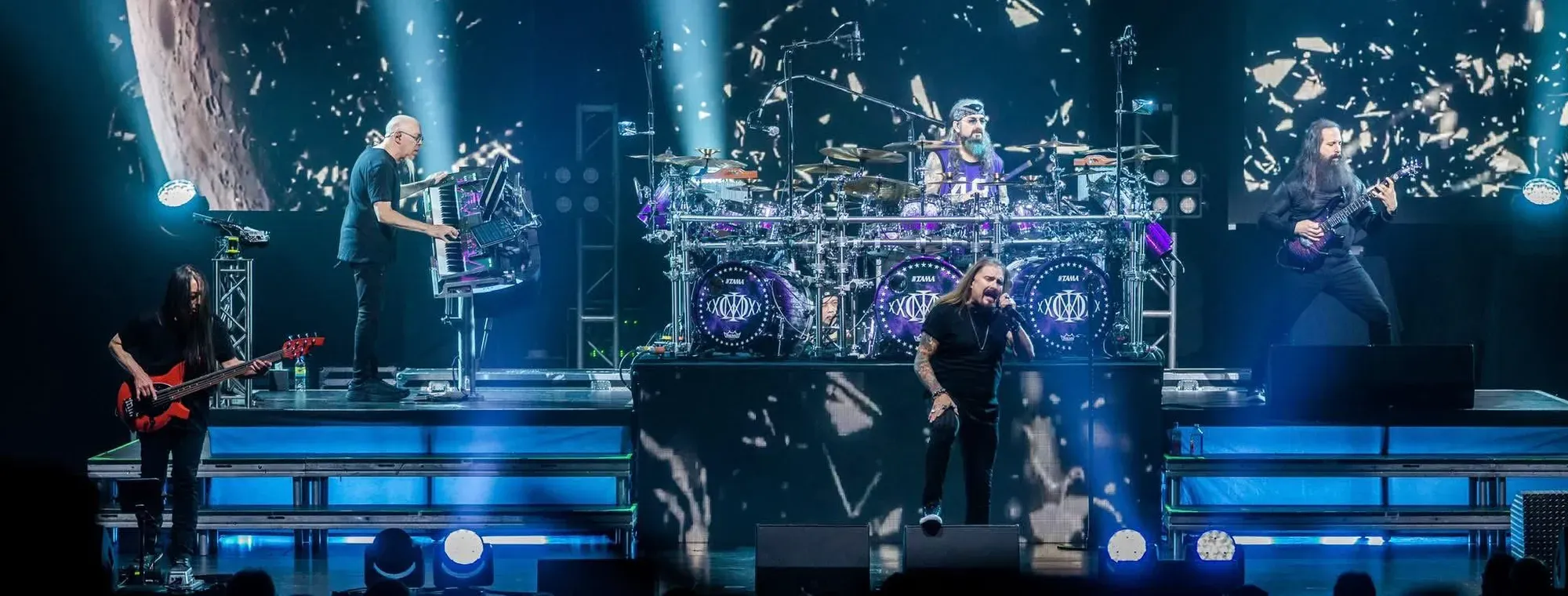
Originally published in unknown source · 2000
Mike Portnoy, Jordan Rudess interview
InterviewMike PortnoyJordan Rudess4 min read
Q: You came up with a concept album this time. How did you get the idea to make a concept album and briefly, what is the story about?
MP: Well we’ve always wanted to do a concept album, but it seemed that every time we started making a record we had a couple of songs and stuff that were ready to go, so it always prevented us from actually doing a concept record. This time we had a real fresh slate being that we had a new lineup and everything with Jordan now in the band. As far as the story goes, I’ll keep it very brief because it is very involved, but it basically takes place in two times: one is in the ‘20s and one is in the present day. The present day story deals with somebody who’s having constant dreams or thoughts of another life and he goes to a hypnotherapist and finds out that he’s actually the reincarnated soul of somebody, this girl from the ‘20s. And that’s the other half of the story which is dealing with his past life in the ‘20s and this girl who’s actually caught up in an affair with two brothers and this life of deception and lies and stuff and she ends up being murdered. Basically the story is telling her life story and the investigation of the murder and so on and so forth. But there’s a lot of details to dig into.
Q: ‘Metropole – Part 1’ is on the Images and Words album, and there are some instrumental elements on this album which is from the Images and Words album. What is the connection between the two albums?
MP: We made the connection. We knew we wanted to write a ‘Metropolis – Part 2’ because we made the silly mistake of putting a ‘Part 1’ after the title on Images and Words, so we were forever committed to making a part 2. So we knew when the day came that we would make a part 2, we would build in a lot of references to the first song musically. And it was fun because we were able to make musical references, we were able to make lyrical references, and we were also able to expand on the storyline which is what we did. But having all of those bits and pieces from the first ‘Metropolis’ making their appearances and in somewhat mutated forms was a lot of fun, being able to go back and pull up some of those ideas was a fun way of writing.
Q: I’m sure the music and the lyrics walk hand-in-hand. How did you write the songs – did you have the lyrics and then write the instrumentals for the lyrics or the other way around?
Jordan Rudess: The other way around. The lyrics are the last thing that gets done. We go into the studio and kind of hashed around all the different musical seeds that we had, and then put that all together. Then after the tunes were structured, we had them down, then the guys went in and just recorded and wrote the lyric.
Q: Is it true that you will play the whole album tonight?
MP: Yeah, this whole tour we’re doing it from start to finish. It is a complete concept album, so we want to present it that way.
Q: Still there is enough time to play in the old classics...
MP: That’s the tough thing is trying to have a balance for our career, cause we are spending 90 minutes – the first hour and a half of the show – playing the new album and we’re consciously not trying to play a three-hour shows. So in order to keep the show around the two-hour mark, it only gives us about a half hour to deal with the entire past 10-year catalog. The only way that we’ve found that we can actually satisfy the balance of those records is to make medleys and things like that, so we’re getting creative with putting some of that stuff together and trying to have a little taste of every album in the encore.
Q: You are a highly skilled musicians and I think people go to concerts to get impressed and people expect a lot from you. Is it just hard to go on stage every night and be inspired and give 100%? I mean you’re not machines, so you can’t play that well every night.
JR: Every night is very different and I think with this band – Mike if I tell you more about it – but my personal experience is that it’s kind of a thing where you have a real relationship with the audience, and we’re putting out a lot of energy and they’re feeding back or maybe not feeding back so much. A lot of times the audience will help us to do our job and make it really happen. And actually I think that’s the case, that’s just what performing is all about. So every night is a little bit different. We go on, we want to do our best. and the energy is there or maybe it’s not and...
[end of recording]