

Originally published in Mac Pro Video.com · January 2012
Jordan Rudess interview (excerpt)
InterviewJordan Rudess4 min read
RS: Which of your apps have you used on the latest Dream Theater album, A Dramatic Turn of Events?
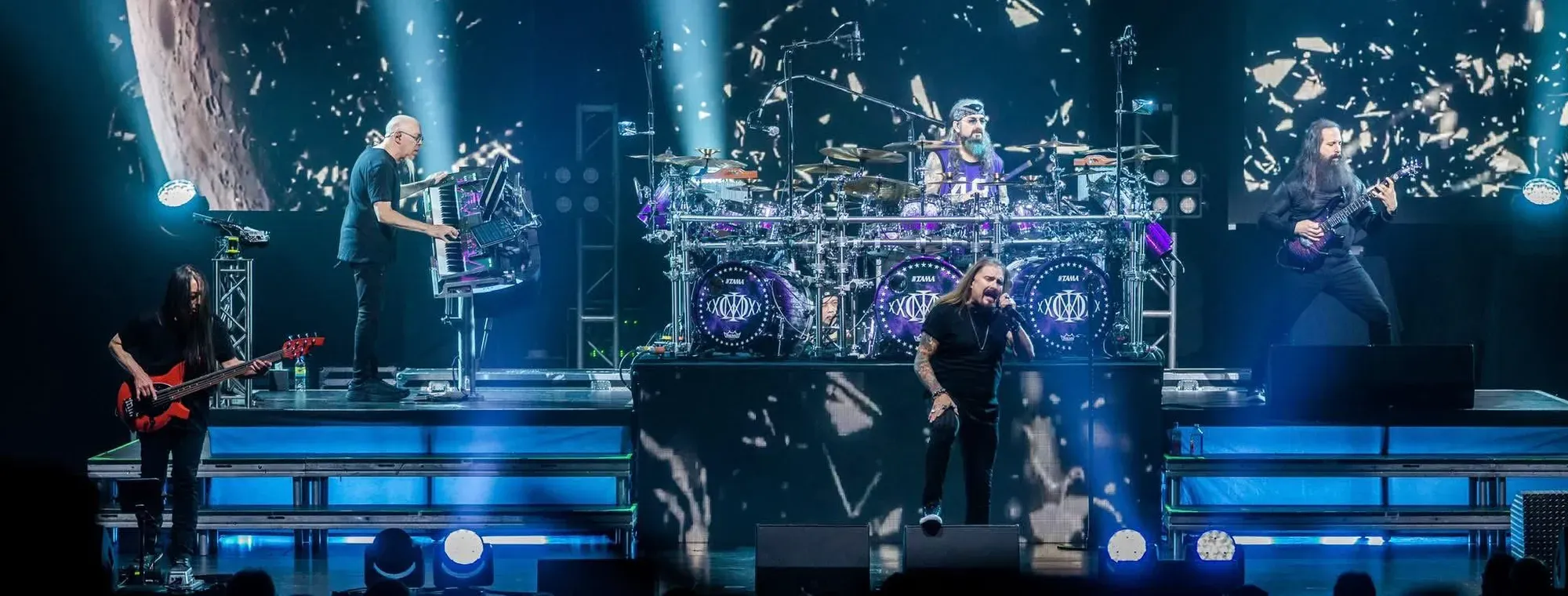
JR: I used MorphWiz on the new album. I was going to use SampleWiz but it wasn’t quite cooked at the time of recording. So now on my keyboard rig I have this wonderful arm that comes out of the rotating stand and I have my iPad on it and run SampleWiz and MorphWiz – so I use them both in the show. Geo Synthesizer has not been integrated in the show yet as it was introduced later on. But it definitely will be.
SampleWiz works so well live because there might be another sound effect or sound I need to take off my master keyboard. Also the whole idea behind how MorphWiz and SampleWiz can be played is that you have access to sliding functionality that you really can’t do on a keyboard. I guess it sounds selfish, but I kinda made these apps for myself! I wanted to make something that could do some really cool things. I think that when somebody has an idea they know is going to bring themselves so much joy, then it usually can translate to somebody else and they can experience that joy, too.
RS: Do you have a favorite song from A Dramatic Turn of Events?
JR: Some days I’ll wake up and be in an Outcry mood and another day it’ll be Beneath the Surface. The prog guy in me really loves Breaking all Illusions. But then Outcry is also a big prog epic, and if you’d have asked me three months ago I’d probably have pointed that one out first. But after playing live on our tour there’s something about the reaction to Breaking All Illusions that I love. I think it’s epic but it’s in major. In bands like ours we can gravitate towards the heavier sounds with minor or fifths. In Breaking All Illusions there are huge choruses which are very open and very major and end up being very uplifting. So not only is it fun to play and a real journey, but you can see people responding to it.
RS: When listening to the album it’s clear that a lot of care and attention has gone into the production. Tell us about the recording and production process.
JR: It’s interesting. In the times we live in, production has the capability of becoming very refined and it’s possible to tweak things and over-produce it, and end up with something that doesn’t sound human. That can be cool – as we know – or not, depending on the musical result you’re looking for.
When making a Dream Theater album, we have really high production values. We like things to be right. We’re the opposite of the Grateful Dead approach where you play and it’s maybe a little bit out of tune, it’s loose, vibey and cool. You know, I love that. But we’re more about playing it in unison and making it really tight. For example, when John Petrucci and I are working on a unison line in Lost Not Forgotten, where it’s an extended, super-fast unison between a guitar and keyboard, we take our time. First of all we have to practice it a lot. When we record it we’ll listen with headphones and we might find a part which is rushed a little bit and we’ll go and fix it.
It’s like painting a picture. We want it to look right. To us being meticulous and doing it right is part of what makes the difference between Dream Theater and other bands that do similar styles of music. We spend a lot of time practicing our instruments. If you come backstage before a show you’ll see we’re not sitting there having a party or drinking beers. John Petrucci is there with his metronome on, playing scales; John Myung is doing his trills in the corner; Mike Mangini is playing 17 against 13 and triplets with his feet; and I’m trying to match his 17 with my right hand and his triplets with my left... It’s a music workshop! So when it comes to the actual recording, it’s all about painting this picture so we can all say at the end: "That’s the vision of what we wanted to create and it feels right."
RS: Mike Mangini is relatively new to Dream Theater. Has his arrival had an impact on the band’s musical direction?
JR: He’s had a major impact on Dream Theater as a whole. Mike is a lovely person who just comes from the heart. He’s fun and inspiring to be around. Beyond that he is a phenomenal drummer and we feel like we’ve found a true soul mate in him. He’s someone who likes to practice maybe more than we do!
That being said he wasn’t present for the writing session of the album. It was a major album for us especially because Mike Portnoy had left and we felt like we were aware of where we needed to go. John Petrucci and I are used to writing most of the music and we wanted to keep it that way for this album. We kept that dynamic and we used Logic and drum sounds and software to get the job done, like a composer does.
The end result was Mike Mangini came in to the studio and really appreciated the fact we’d given him something to start out with. So, he was very easy to work with and had a lot of ideas that stemmed from our drum sketches and came up with his own really great parts.