

Originally published in HMP magazine · June 2021
Dream Theater
InterviewTranslatedJames LaBrie8 min read
Translated from the original language with DeepL, so the wording may differ from what was actually said.
We do what we love most
Dream Theater is an American band that is an institution, and not just in the shackles of progressive metal. It can be argued whether the group’s recent output is anything on par with the groundbreaking “Images & Words” or “Scenes from a Memory,” but they can’t be denied as a model for many groups aspiring to play in a similar genre. On the occasion of the band’s latest concert material, we were able to talk to their Canadian-born vocalist.
HMP: Why did you choose London as the location for the recording of your live album?
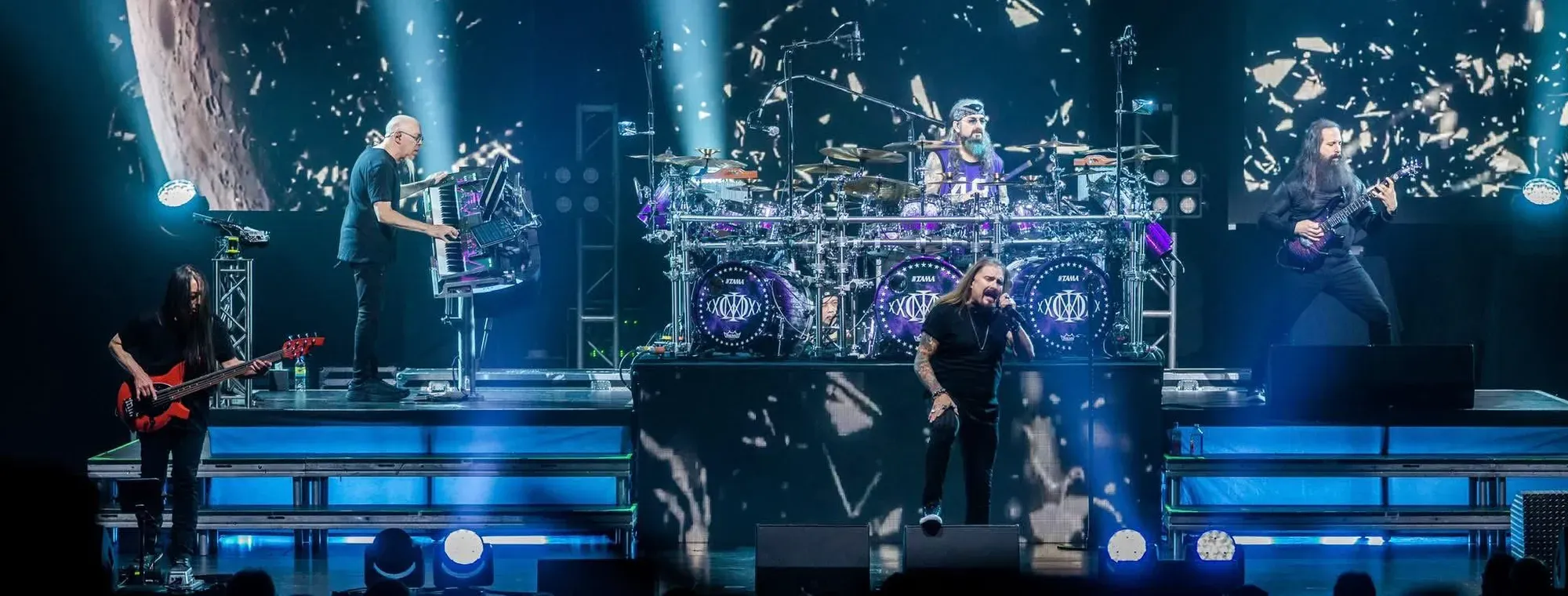
James LaBrie: For a number of reasons. One of them was how our tour was structured. Besides, London is a special place for us, we love being there and touring, which we have done for many years, decades even. This is always a great experience for us. It also made sense for us to come full circle at some point and record another DVD there. Recording it at the end of the tour gave us time to embrace ourselves, we played a great show then. Everything we wanted to do, we accomplished.
You are a cult band in progressive metal, especially because of the album “Scenes from a Memory,” which was played in its entirety on the last tour.
Yes, that’s true. It’s actually interesting, because “Scenes from a Memory” was an iconic album for the band, and celebrating the 20th anniversary of the release of this album, electrifying audiences of very different ages and inspiring many bands, including those that are brand new, is something really cool. This is our timeless testament.
How did you feel about revisiting this material?
This was probably the first time in a very long time that the band sat down together and listened to this album from start to finish. We decided that it was worthwhile to revisit this material after two decades. It’s a bit like paying homage to an old friend. It’s been a sentimental ride for me, and if you’ve seen our DVD and our concerts, you might have noticed the spirit of joy in all that we released the album with. But to go back and play it all again was a great pleasure. You could see it all, I think the production is phenomenal, it was just a great experience. This album is a very important part of our history.
Do you consider the release of “Scenes from a Memory” a watershed moment in the band’s history?
It was our first conceptual album AND a big step forward, which I think was insanely important for us. It was especially important for us to do this album right and, fortunately for us, we did, and fans from all over the world loved it. This album is our own separate chapter that allowed us to break out. It definitely helped stabilize our position of us in the scene of this music genre.
What are your favorite albums from the band’s discography?
Yes, it’s hard to choose. It basically depends on my mood, it decides what I want to listen to. And while I agree that this album was the peak moment in the band’s career, there are others that I love. Very close to my heart is definitely “Six Degrees of Inner Turbulence,” which I also consider a kind of monument to the band.
Performing live or working in the studio, which do you prefer more as an active musician?
The two are very different from each other. When you are in the studio, you are in full control of everything. It gives you confidence that what you are doing will be the best possible. And live, you interact with the audience. The energy and sensation of performing in front of thousands of people is indescribable. It is an amazing feeling. Live, we show that we are human, and if we make a mistake, there is also an element of that excitement. Anything can happen, but we go out on the boards with the assumption that we want to give our best. The studio and the stage are two completely different worlds. In the studio you’re not in a hurry, while on stage you’re celebrating the music with thousands of people. It’s an amazing sight to see people singing along, waving their heads and smiling.
You play a lot of concerts, what do you do to keep yourself in good shape?
You’re right, it’s tough playing all the time for about three hours, often several times in a row, for consecutive days. The constant traveling is exhausting. So it is very demanding both physically and mentally. We need to be reminded to relax. The challenge is to stay healthy. Everyone has some routines. I exercise every day and drink a lot of water. You have to take care of yourself and not treat yourself like a race car that has to run at top speed all the time. Some people do that and break down mentally. So each of us takes care of our form. But still, at some point you get fed up and need to rest.
On the road it’s probably not easy?
Yes, it is difficult. Sometimes we see our families for a week or so, but usually we are on a seven-week tour, far from home. And it is definitely a long time to be away from family. There’s no perfect job, even though we’re pretty close to it, because we’re doing what we love - making music and performing it, but it’s still a job full of sacrifices and sacrifices. The longing for families, children is ever-present. We know what we are writing for, but it is still difficult.
And finally, what are the band’s future plans?
Well, I can’t fully tell you about what we are doing. But I can say that we are doing what Dream Theater is known for. You don’t know the day or the hour. Besides, I’d like to say that we’re happy with how things turned out, we’ve done a great job over the years and created our own signature and identity. But, we’re not done yet, and we’ll continue to create new material.
Igor Vaniurski
Original text
Dream Theater
Robimy to co kochamy najbardziej
Amerykański Dream Theater to zespół instytucja, nie tylko w okowach metalu progresywnego. Można spierać się, czy ostatnie dokonania grupy są czymś na miarę przełomowych “Images & Words” czy “Scenes from a Memory”, ale nie można odmówić im bycia modelowym przykładem dla wielu grup aspirujących do grania w podobnym gatunku. Przy okazji ostatniego materiału koncertowego zespołu mogliśmy porozmawiać z ich pochodzącym z Kanady wokalistą.
HMP: Dlaczego na miejsce nagrania płyty koncertowej wybraliście Londyn?
James LaBrie: Z wielu powodów. Jednym z nich było to, jak skonstruowana była nasza trasa koncertowa. Poza tym, Londyn jest dla nas miejscem szczególnym, uwielbiamy tam przebywać i koncertować, co zresztą robiliśmy od wielu lat, a wręcz dekad. To jest zawsze świetne doświadczenie dla nas. Miało też to dla nas sens, by w pewnym momencie zatoczyć koło i nagrać tam kolejne DVD. Zarejestrowanie go pod koniec trasy zapewniło nam czas na ogarnięcie się, zagraliśmy wtedy świetny koncert. Wszystko, co chcieliśmy zrobić, udało nam się zrealizować.
Jesteście zespołen kultowym w metalu progresywnym, zwłaszcza z powodu albumu “Scenes from a Memory”, który w całości odtworzony został na ostatniej trasie.
Tak, to prawda. To jest w sumie interesujące, bo “Scenes from a Memory” było ikonicznym albumem dla zespołu, a obchodzenie 20-lecia wydania tej płyty, elektryzującej publiczności w bardzo różnym wieku i inspirującej dla wielu zespołów, również tych zupełnie nowych, jest czymś naprawdę fajnym. To jest nasz ponadczasowy testament.
Jak się czułeś wracając do tego materiału?
To był chyba pierwszy raz od bardzo dawna, kiedy zespół razem usiadł i przesłuchał ten album od początku do końca. Zdecydowaliśmy, że warto jest wrócić do tego materiału po dwóch dekadach. To trochę jak oddanie hołdu staremu przyjacielowi. To była dla mnie sentymentalna przejażdżka, a skoro widziałeś nasze DVD i nasze koncerty, to mogłeś zauważyć ducha radości w tym wszystkim, z którym wydaliśmy album. Ale wrócić do tego i zagrać to wszystko jeszcze raz było ogromną przyjemnością. Dało się to wszystko zauważyć, uważam że produkcja jest fenomenalna, to było po prostu świetne doświadczenie. Ten album jest bardzo ważną częścią naszej historii.
Czy uważasz wydanie “Scenes from a Memory” za moment przełomowy w historii zespołu?
To był nasz pierwszy konceptualny album I spory krok do przodu, o którym myślę, że był dla nas szalenie istotny. Było dla nas szczególnie ważne, by zrobić ten album dobrze i, na nasze szczęście, tak się właśnie stało, a fani z całego świata go pokochali. Ta płyta to nasz osobny rozdział, który pozwolił nam się wybić. Zdecydowanie pomógł ustabilizować naszą pozycję nas na scenie tego gatunku muzycznego.
Jakie są twoje ulubione albumy z dyskografii zespołu?
Tak, ciężko wybrać. To w sumie zależy od mojego nastroju, to on decyduje, czego chcę słuchać. I choć zgadzam się, że ten album był momentem szczytowym w karierze zespołu, są też inne, które uwielbiam. Bardzo bliskie mojemu sercu jest zdecydowanie “Six Degrees of Inner Turbulence”, który też uważam, że jest pewnego rodzaju pomnikiem zespołu.
Występowanie na żywo czy praca w studiu, co wolisz bardziej jako aktywny muzyk?
Obie te rzeczy znacznie różnią się od siebie. Kiedy jesteś w studiu, to masz pełną kontrolę nad wszystkim. Daje to pewność, że to co robisz będzie jak najlepsze. A na żywo, wchodzisz w interakcję z publicznością. Energia i wrażenia związane z występowaniem przed tysiącami ludzi są nie do opisania. To jest niesamowite uczucie. Na żywo pokazujemy, że jesteśmy ludzcy, a jeśli popełnimy jakiś błąd, to też jest pewien element tej ekscytacji. Wszystko się może zdarzyć, ale wychodzimy na deski z założeniem, że chcemy dać z siebie wszystko. Studio i scena to dwa zupełnie różne światy. W studiu się nie spieszysz, a na scenie świętujesz muzykę z tysiącami ludzi. To jest niesamowity widok, gdy ludzie z nami śpiewają, machają głowami i się uśmiechają.
Gracie mnóstwo koncertów, co robisz aby utrzymac się w dobrej kondycji?
Masz rację, to jest trudne grać cały czas przez około trzy godziny, często kilka razy pod rząd, przez kolejne dni. Ciągłe podróżowanie jest wyczerpujące. Tak więc jest to bardzo wymagające zarówno fizycznie jak i psychicznie. Trzeba nam przypominać o tym, żeby się odprężyć. Wyzwaniem jest pozostać zdrowym. Każdy ma jakieś rutyny. Ja codziennie ćwiczę i piję dużo wody. Trzeba dbać o siebie i nie traktować się jak wyścigowego samochodu, który cały czas ma zasuwać na najwyższych obrotach. Niektórzy tak robią i załamują się psychicznie. Tak więc każdy z nas dba o formę. Ale i tak w pewnym momencie ma się już dość i trzeba odpocząć.
W trasie pewnie nie jest to łatwe?
Tak, jest to trudne. Czasami widujemy się z rodzinami przez jakiś tydzień, ale zazwyczaj jesteśmy na siedmiotygodniowej trasie, daleko od domu. I jest to zdecydowanie długi czas by być z dala od rodziny. Nie ma pracy idealnej, pomimo tego że jesteśmy całkiem bliscy tego, bo robimy to, co kochamy - tworzymy muzykę i ją wykonujemy, ale wciąż jest to praca pełna wyrzeczeń i poświęceń. Tęsknota za rodzinami, dziećmi jest wszechobecna. Wiemy na co się piszemy, ale to wciąż jest trudne.
I na koniec, jakie są przyszłe plany zespołu?
No cóż, nie mogę do końca opowiadać o tym, co robimy. Ale mogę powiedzieć, że robimy to, z czego Dream Theater jest znane. Nie znacie dnia ani godziny. Poza tym, chciałbym powiedzieć, że jesteśmy szczęśliwi jak się to wszystko potoczyło, zrobiliśmy kawał świetnej roboty przez te wszystkie lata i stworzyliśmy własną sygnaturę i tożsamość. Ale, jeszcze nie skończyliśmy i wciąż będziemy tworzyć nowe materiały.
Igor Waniurski